Elections as a mirror of powerlessness to change something. But even one vote can play a role.

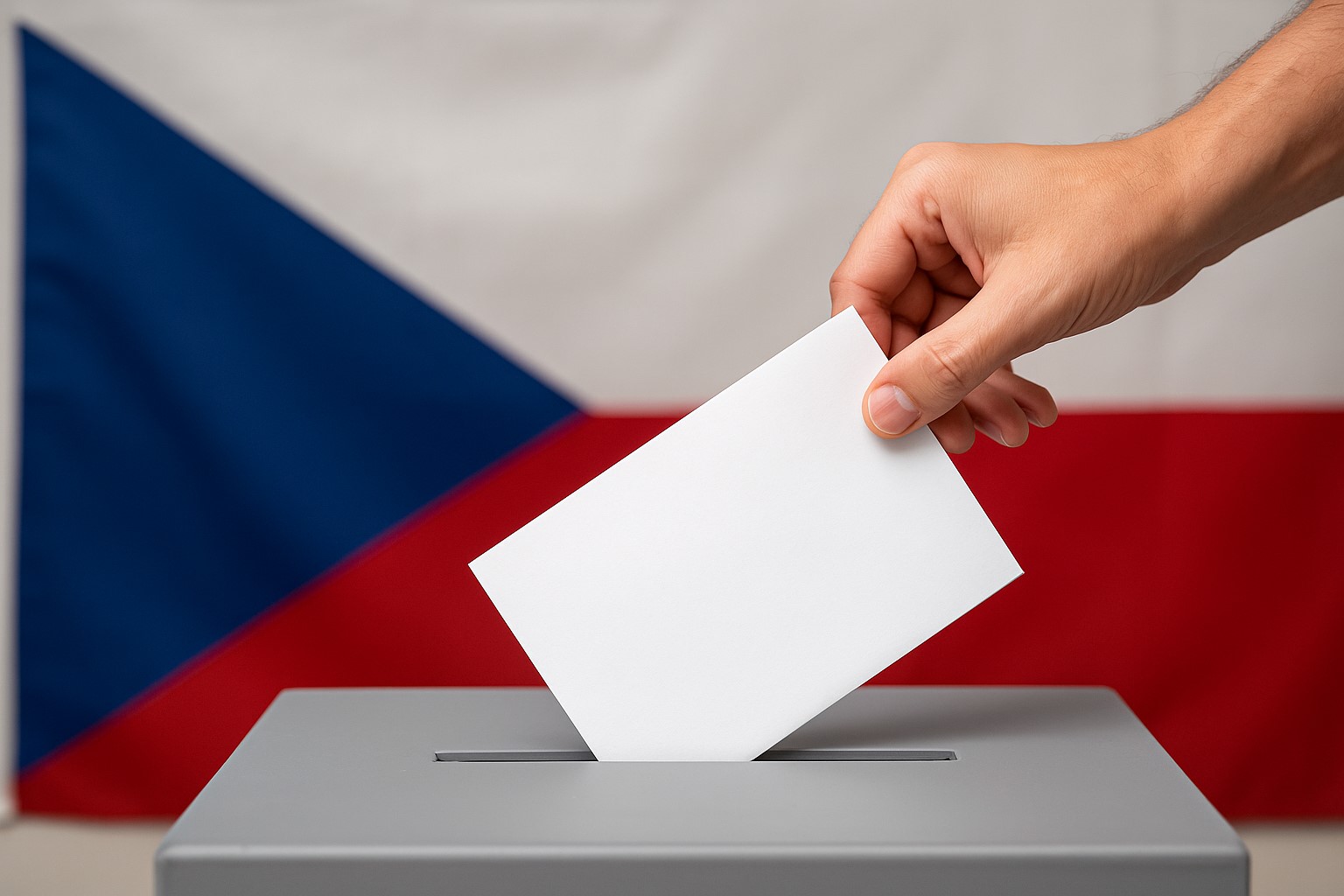
The elections are over, the ballots have been cast, the votes counted. However, there are still many stirred emotions in the air. The elections to the Chamber of Deputies raised a number of questions, including how important or unimportant the voice of an individual is, whether it is possible to change anything at all.
As stated by Novinky.cz, voter turnout in this year's elections was the third highest in history, reaching 68.95 %. And this despite the fact that on discussion forums, the phrase "I'm not going to vote, I have no one to vote for" was often heard. According to research by STEM/MARK there are approximately 1.4 million chronic non-voters in our country, who most often argue that "there is no one to vote for, I don't trust anyone". The second most common reason is a lack of interest in politics as such, and the third argument often heard is that "it makes no sense, I can't change anything". The last stated reason for not voting is a strong factor, which also has its basis in psychology. It's called "learned helplessness". It is a concept by Martin Seligman and stems from the fact that if a person repeatedly experiences that his or her efforts do not lead to the desired result, his or her brain switches to a "it's pointless to try" mode. Frustration from the futility wins, one stops acting.
"For years I've been going to the elections, many times I didn't go to the cottage or changed plans just to make it. But I got tired of it. Nothing has changed anyway. So I threw away the ballot papers, as soon as they arrived, and moved to the cottage already on Friday morning. I didn't even turn on the television, I don't want to deal with it at all,"

said for LP-life.cz sixty years old Helena V.
What can a single voice do
Helen's attitude is to some extent understandable, it is a psychological form of defense against disappointment. As Steven Levitt from Freakonomics.com noted, so "no one in their right mind votes just because they thought it would affect the outcome of the election". In the history of modern elections, there are really only a few cases where one vote played a crucial role in the results. But here too, the exception proves the rule.
In 2008, an Indian candidate lost the election to the Rajasthan state assembly by one vote. C.P. Joshi received 62,215 votes at the time, Kalyan Singh Chauhan got precisely one vote more. However, journalists came up with information that the election results might have been influenced by Joshi's wife, who didn't arrive to vote with him and instead prayed for him in a temple. Conversely, the winner's wife somehow managed to vote twice. The whole case was investigated for the following four years, the elections were eventually cancelled and Joshi won the prolonged dispute. However, he was no longer interested in the position and took up a post in the federal government.
Pride as an altruistic motive
The motivation to go to vote has to be a little different. Levitt aptly states that it should primarily be fun, that the reason to vote can lie in the individual feeling national pride and a certain solidarity, even if just for a brief moment. In a way, elections erase differences - at the same moment, people from completely different social spheres meet at the same act, while the voices of all carry the same weight. Whoever votes behaves responsibly and correctly, the election mobilization has impressed them, and they think not only of their personal benefit, but also of the benefit of the whole.
In light of the high voter turnout, Czech voters certainly had a similar determination, even though many might have ended up disappointed, or even ashamed of their decision.
"I couldn't tell anyone who I would give my vote to. Nobody in my surroundings understands this, so I rather don't boast aloud and I take advantage of the fact that voting is secret. But I went to vote, that's the main thing I think,"
revealed to LP-life.cz sixty-nine-year-old Pavel C.
Twenty-two-year-old Michal V. explained his motives differently for LP-life.cz:
"I would not forgive myself for not going to the polls, it is a duty. Those who do not go do not have the right to criticize politics, if they at least did not try to actively influence it. Sure, it did not turn out as I wanted, but I will not fall apart and in four years I am going to vote again."
Therefore, motivation can be found, even in the fact that having the option to do it was not always a given. This was pointed out on Novinky.cz also by discussant Magdalena:
"I vote only for the reason that women did not have the privilege to vote for most of history, and I would feel awkward towards those who have secured us the right to vote."
Source: Author's text, own questioning, Novinky.cz, Stemmark.cz, Timesofindia.indiatimes.com, Journals.law.harvard.edu, Wikipedia.org