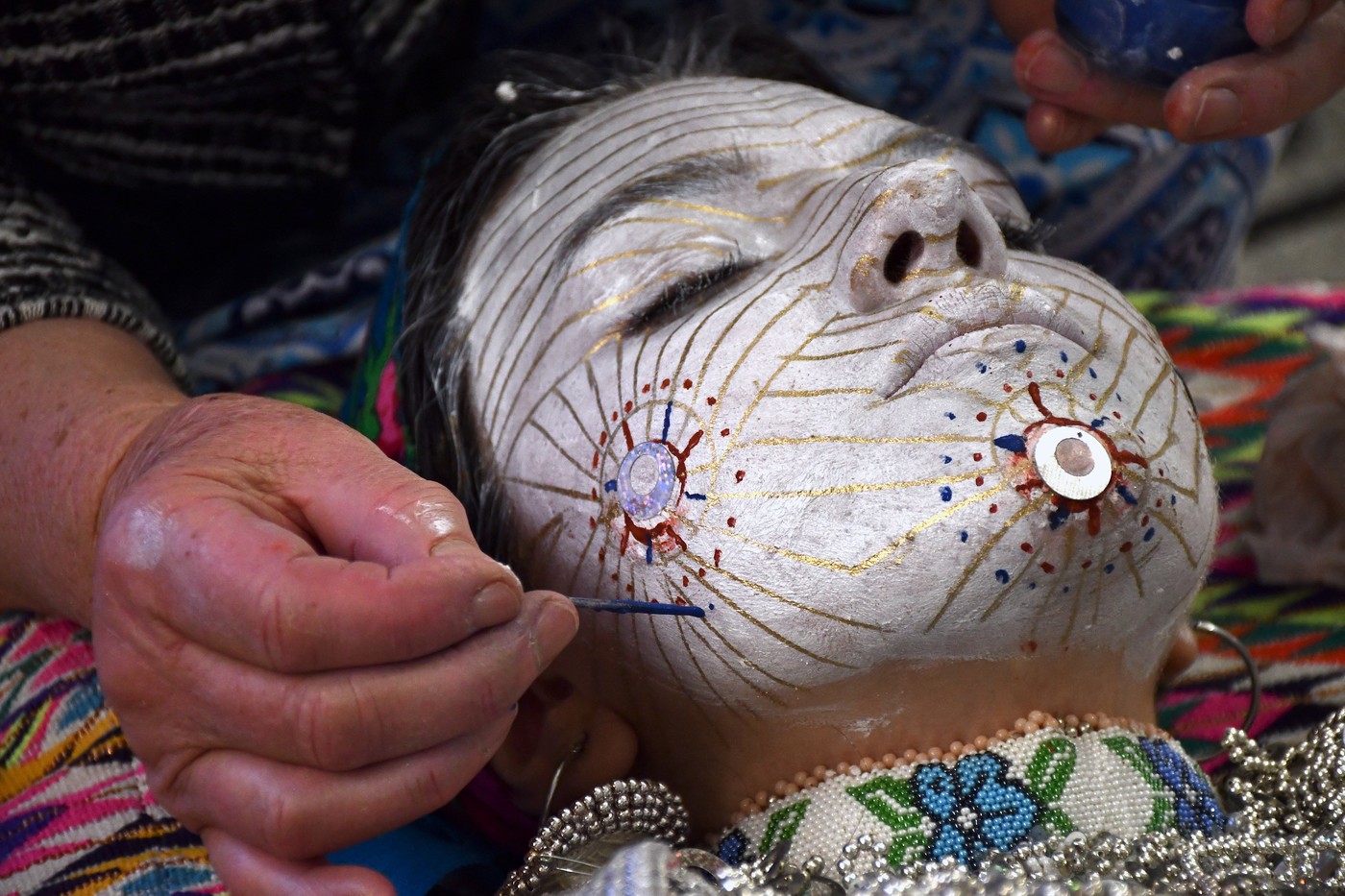
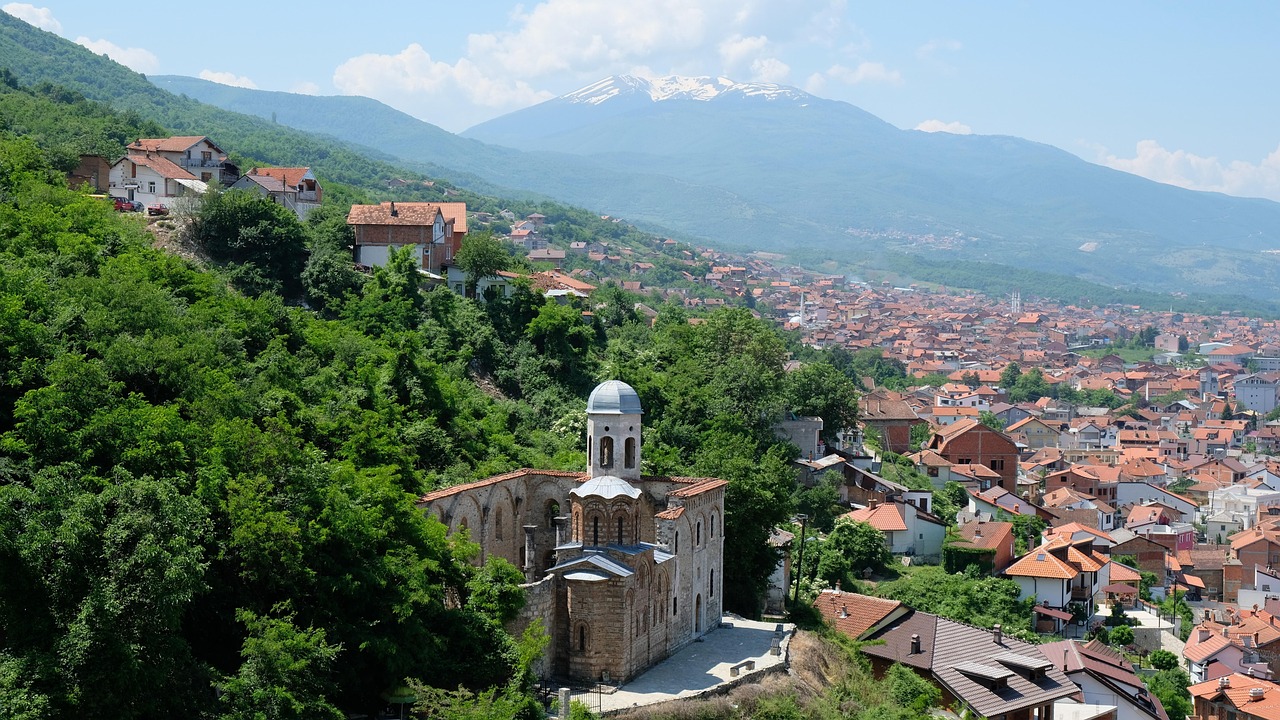
During a Kosovar wedding ceremony, the bride transforms into a work of art. The ornaments protect her from evil.


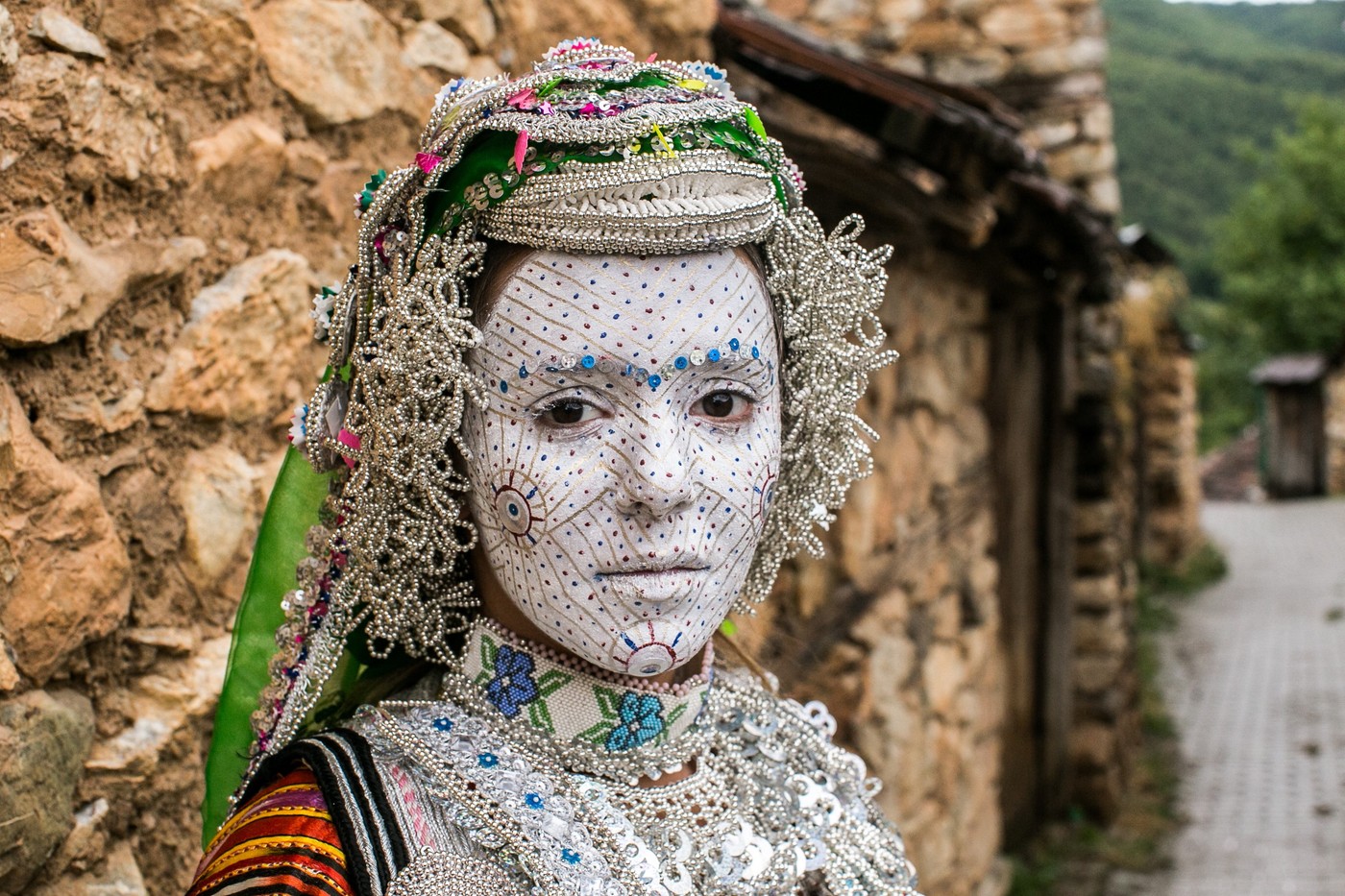
The residents of the village of Donje Ljubinje in Kosovo are very proud of their traditional weddings, which embody the unique identity of their hometown. These extravagant ceremonies have a millennia-old tradition and are particularly known for the elaborate method of painting the bride's face to avert any marital misfortune.
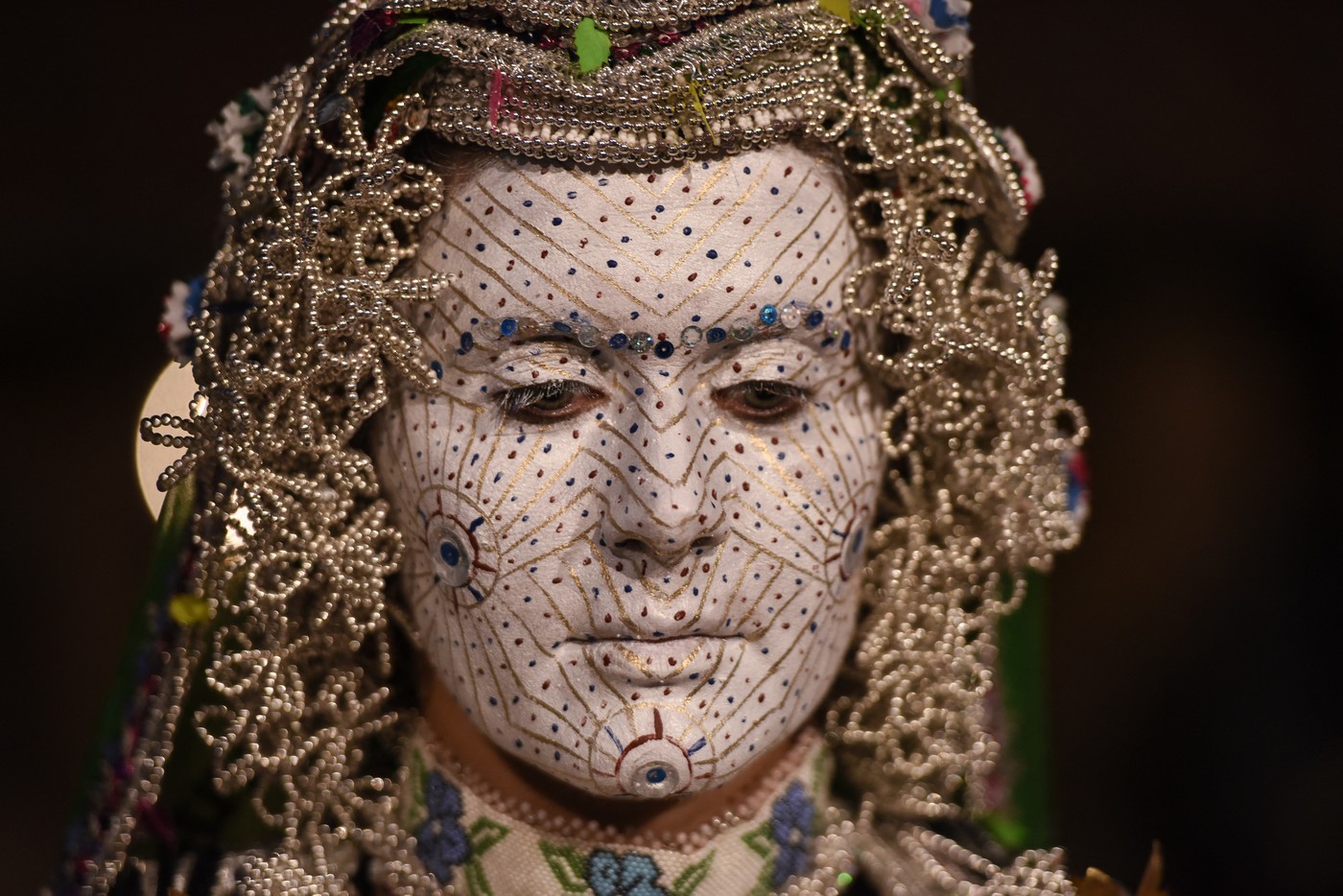
Donje Ljubinje is a small village in southern Kosovo under the Šar Mountains, which, according to the latest census, has approximately 1,632 inhabitants. Up to 96% of them are Bosniaks, making the village an ethnically very homogeneous community with its own cultural identity. The village is known even beyond Kosovo's borders due to the ancient ritual of painting brides, which for generations has attracted attention from the media and researchers. This ceremony, considered a symbol of the identity of the local Bosniaks, can only be seen here today – especially in the summer months, when people return from emigration and weddings take place. For the residents, painting brides is more than just a custom – it's an "artistic expression" of their village.
And how does it work?
As dawn breaks and the first rays of the sun appear over the mountains, the village is completely silent. Saida sits in her parents' room, listening to the whispers of women gathering in the kitchen. Today she will become a wife. Her mother strokes her hair and quietly indicates that she is ready. Soon, a woman arrives who holds the fate of every bride in the village in her hands – Aziza, the bearer of the ancient art of wedding face painting. What she learned from her mother and her mother from her grandmother, she now passes on to the next generation.
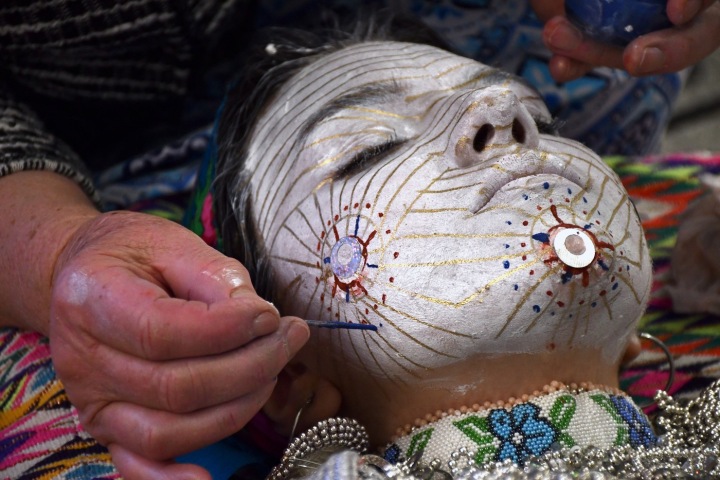
And then the moment arrives. Saida lies down on a low table and Aziza calmly and precisely begins to paint her face. Aziza is one of the last who masters this ancient ritual. She learned it from her mother and is now teaching her daughter. Her hands are steady yet gentle; she paints Saida's face regardless of the time that passes around her passing by.
Deeper Meaning of the Ritual: Why the Bride Applies Makeup and What It Symbolizes?
This wedding ritual is not just an aesthetic custom. It is part of a cultural heritage that dates back more than a thousand years. The motifs, consisting of red, blue, and gold circles and small dots applied on white face paint of the bride, are interpreted by ethnologists in various ways.
According to locals, these decorations are likely related to pagan beliefs about protecting people from evil energy and envy. It is rightly said that the bride is painted in the same way as her ancestors were two thousand years ago.
The ritual itself uses several colors and symbols, each with a specific meaning. The colors on the face follow their own pattern and logic; they are not painted randomly like artistic makeup. This is a precisely defined ritual ornament that has been repeated for generations. The pattern is based on the ancient belief that the face is the most vulnerable part of the human body and must be “locked” with symbols. These symbols are:
Gold circles drawn on the bride's face represent the cycles and phases of life, as if linking past generations with future ones. Their interconnected lines and paths symbolize the trajectory of the stepmother's life journey.
Red circles and inner circles are directly connected to fertility, life energy, and the desire for offspring, which is crucial in the context of a wedding.
Blue and red dots covering the entire face serve to ward off misfortune, envy, and the evil eye.
The sun, often depicted as a circle with rays, is a symbol of happiness and light that newlyweds bring into their home, while other decorations are like "seeds" of life, representing a new beginning.
For many local residents, the ceremony with painting is also a ritual transition from one life stage to another. Therefore, during the painting, the bride must not speak, cry, eat, or drink. Any expression of the outside world could "shake" this protective layer and weaken its strength.
As the tradition spread over the centuries, the ritual also had a practical purpose: to ensure that all brides looked similar, thereby minimizing envy or rivalry between families or clans. All in the name of unity and goodwill during joint wedding celebrations.
Although the tradition of painting brides has survived for centuries and resisted the pressures of the modern world, it is now seriously endangered. The population of Donja Ljubinja has declined because many young people have moved to Europe for work, and interest in traditional weddings is gradually waning. Aziza Sefitagic is now one of the few women who know how to perform this ritual, and teaching it to others is hard work. She is trying to pass it on to her daughter and has even taught it at international workshops, but it remains a struggle.
Ritual as a Transition
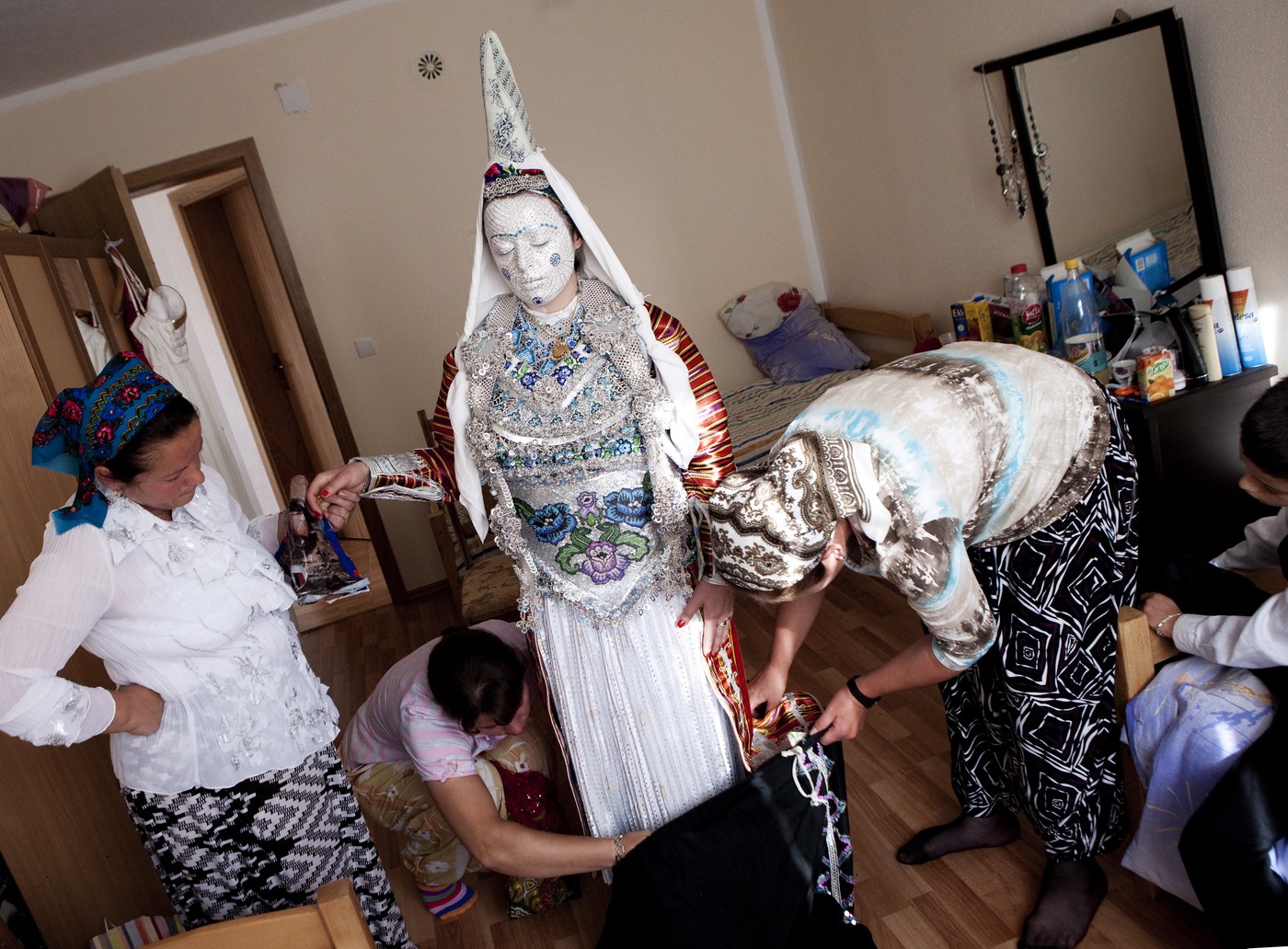
When the painting is finished, Saida puts on a traditional Bosnian wedding costume: layers of fabrics, patterns, and textures that shimmer in the sunlight. Elderly women braid her hair, attach ornaments, and prepare her to be accompanied by the entire village. Before she leaves, they place a special cap on her head and drape a red veil over it. This covers her adorned face until the start of the ceremony.
And then it begins: the music of drums, singing, a rhythm that everyone in the village knows from childhood. Saida, veiled and ready, mounts a white horse and the procession slowly makes its way through the narrow streets of the village. Children drum on small drums, women dance, guests step out in front of their houses. It's not just a wedding, it's a celebratory procession of life.

When Saida stands before her groom exchanging vows, her veil lifts, colors brighten, and their eyes meet. You feel that this is not an ordinary wedding. It contains history, culture, ancestral memory, and a desire for happiness that only such a ritual can express.
After the wedding: life continues
When the celebrations end and the first days after the wedding are behind them, Saida and her new husband settle in a small village and begin to live an ordinary life. Their life is a mix of old traditions and modern challenges. In Kosovo, family is still very important and forms the foundation of society. According to the British encyclopedia Britannica, family ties remain strong even if family members move to other cities or countries. Many decisions are made within the family, and mutual care among loved ones is encouraged.
As shown in the study, with regard to the traditional lifestyle in Albanian communities (including Kosovo), it was common until the end of the 20th century for women to move into their husband's house after marriage. Multiple generations often lived in one household: grandparents, parents, and children under one roof.
This model is still occasionally encountered in rural areas but has disappeared from cities for some time. As one source reports, in the Georgian (Goran) community in Kosovo, marriages in a traditional setting are very stable and divorces are rare. In a community where women play a central role in family life, most marriages endure, and the family is the social pillar. Despite clinging to traditions, both Donje and Gornje Ljubinje can boast good results in the field of education.
Source: author's text, Uundp.org, Musineinstitute.org, Rferl.org, Kossev.info,Turkiyetoday.com, Info-ks.net, Britannica.com