The base interest rate has reached its highest level since the beginning of 2025. Concerns about inflation are growing

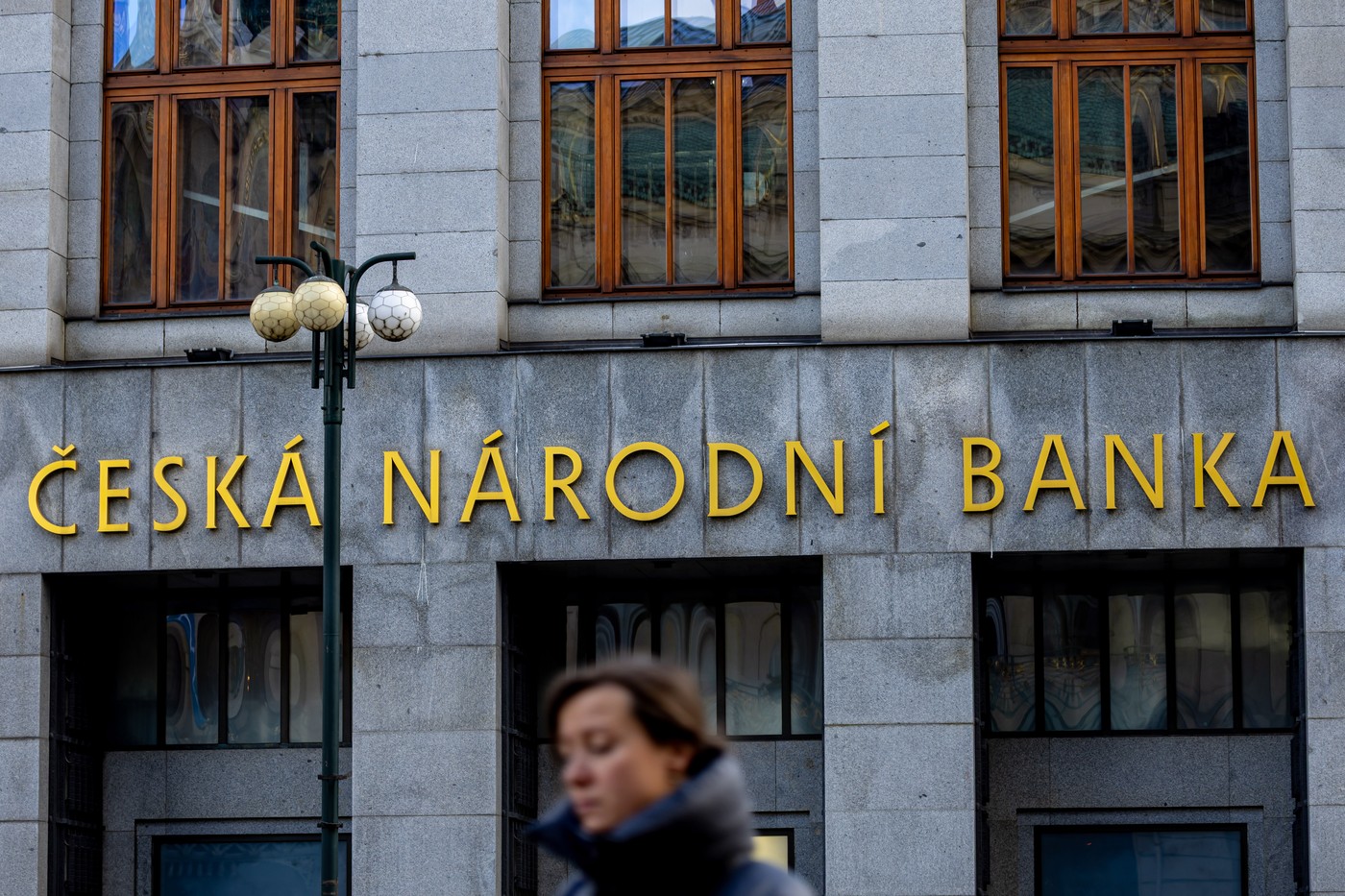
Price pressures are the main reason why the central bank raised the base interest rate to 4 percent at its November meeting. It is trying to prevent the rising costs of energy, fuels and other inputs from spilling over into the prices of goods and services.
The second half of this year has brought additional inflationary dangers. The reason is events in the Strait of Hormuz and the government of Andrej Babiš's emphasis on new growth in public spending.
"The Strait of Hormuz is one of the key global transport hubs not only for oil and liquefied natural gas. As soon as the risk of its closure or restriction increases, oil becomes more expensive, and with it fuel, transportation, agricultural production, chemicals, and gradually also part of the consumer basket. Conversely, a ceasefire, restoration of shipping traffic, and the possibility of Iranian oil returning to the market have an anti-inflationary effect,"
wrote analyst Lukáš Kovanda for LP-Life, adding that the higher price of oil is reflected in domestic inflation not only through petrol and diesel at gas stations, but also enters into the costs of transport companies, farmers, construction, industry and retail chains.

Long-term trend
However, according to some experts, the Czech economy has been showing increased price pressures for some time now. Although overall inflation still remains relatively close to the two percent target, its structure remains problematic.
Inflation, which reached 2.4 percent here in October, could temporarily peak at an average of around 3.5 percent in the first quarter of next year, according to Seidler, which is above the tolerance band of 1 to 3 percent. The gradual adjustments to electricity and gas prices that are currently taking place will only be reflected more significantly in consumer prices later. However, by the end of this year, it should most likely remain below the three percent threshold.
In the event that the conflict in Iran escalates in the coming months, the price increase over the next twelve months could reach as much as five to six percent, according to experts. At the same time, there is also a risk that general inflationary panic will begin to spiral in society.
The voting was close
Nevertheless, some members of the bank board of the Czech National Bank were not too keen on making major changes at their last meeting. It should be noted that the central bank last adjusted the base interest rate in June, when it increased it by a quarter of a percentage point to 3.75 percent.
"We cannot and will not ignore energy prices. However, we should avoid adding fuel to the fire of the already excessive growth in longer-term market rates,"
said Vice-Governor Jan Frait a few days ago in an interview for Bloomberg agency.
If the central bank were to wait a little longer with the increase, it would not be a big risk according to him, because high interest rates together with a strong koruna have an anti-inflationary effect.
On the other hand, member of the Bank Board of the Czech National Bank Jakub Seidler clearly stated in an interview with Reuters agency that he is inclined to support a standard interest rate increase of 25 basis points.
The decision to tighten monetary policy was therefore also close. Four members of the bank board supported the increase in the base interest rate, three voted to keep it unchanged.
No Big Surprise
Czech National Bank Governor Aleš Michl confirmed at the subsequent press conference the fear of rising prices. He sees the cause mainly in the persistence of core inflation and the continuing rapid wage growth. In addition, he pointed out the risk of accelerated growth in the amount of money in the economy caused by the growth of loans for households and for government institutions.
Experts predicted the described procedure.
"The decision to raise rates was not surprising, as financial markets had been expecting it for some time,"

explained Creditas Bank analyst Petr Dufek to ČTK. However, how the central bank will proceed further will be mainly determined by January's inflation, he added.
"The rate increase will gradually be reflected in the entire financial market,"
believes Bohumil Žitný, strategist at Žitný a partneři. In addition to more expensive loans, he also expects pressure on the growth of interest rates on bank deposits. Investors' attention will focus primarily on how the Bank Board will assess the need for further tightening of monetary policy in December, when it meets again.
In summary: interest rates on bank deposits and loans are derived from central bank rates. For businesses, higher interest rates bring more expensive loans for investments and operations, while for households they mean more expensive housing loans. However, at the same time, with higher interest rates, the appreciation of deposits in accounts increases. Only the coming months will show which direction we will take.
Sources: original article, own survey, CNB, CTK