TRANSLATED INTO ENGLISH, CHECK: While brides in our country try to lose weight for their wedding dresses, in Mauritania they are force-fed for months until exhaustion. A tradition that shocks the world.


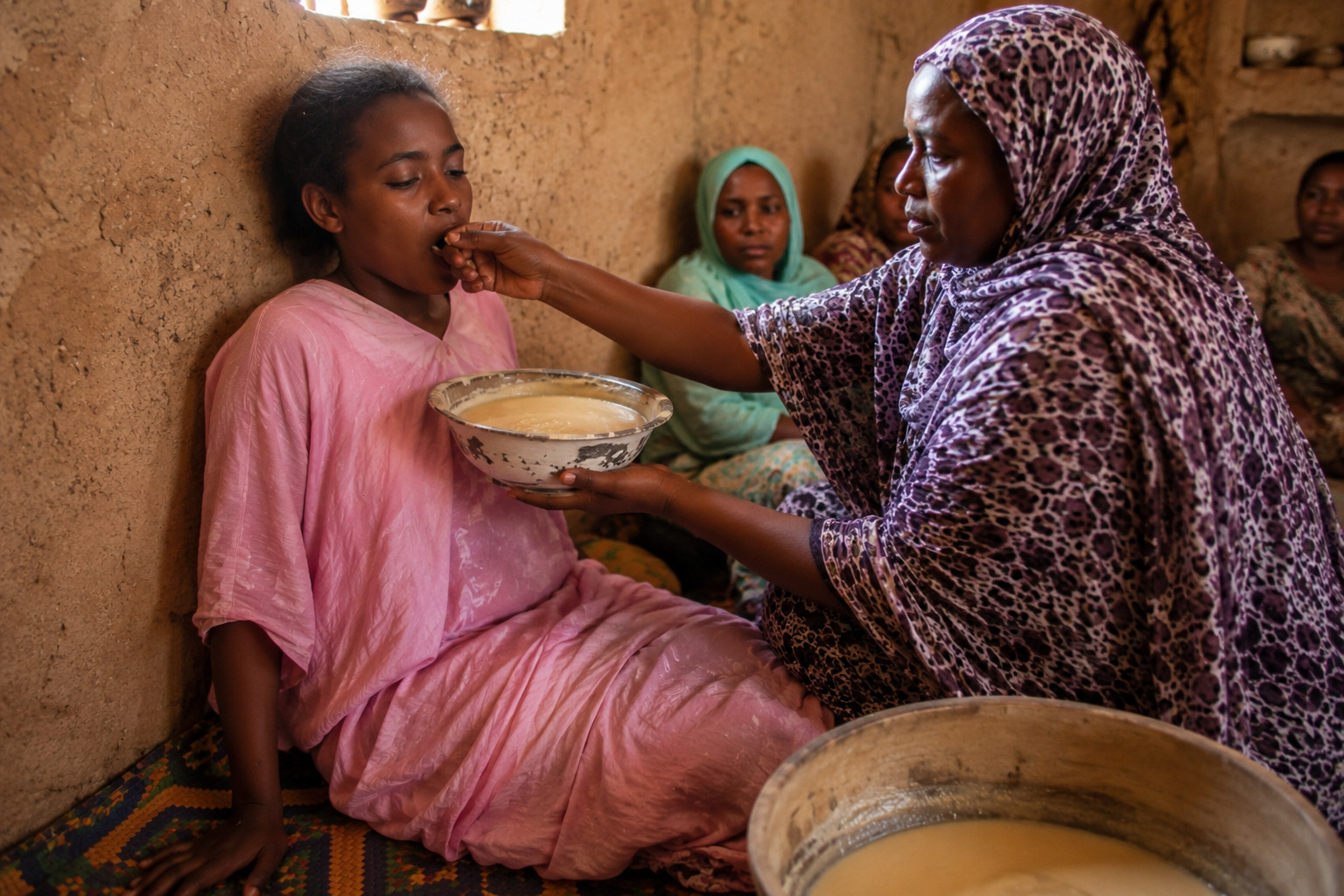
The fuller a woman was, the more she was considered beautiful, attractive, and suitable for marriage. Many girls therefore did not anticipate trying on wedding dresses before the wedding, but rather the painful process of forced weight gain, known as leblouh. This tradition has its roots in Bedouin culture and still sparks sharp debates among human rights advocates, doctors, and Mauritanians themselves.
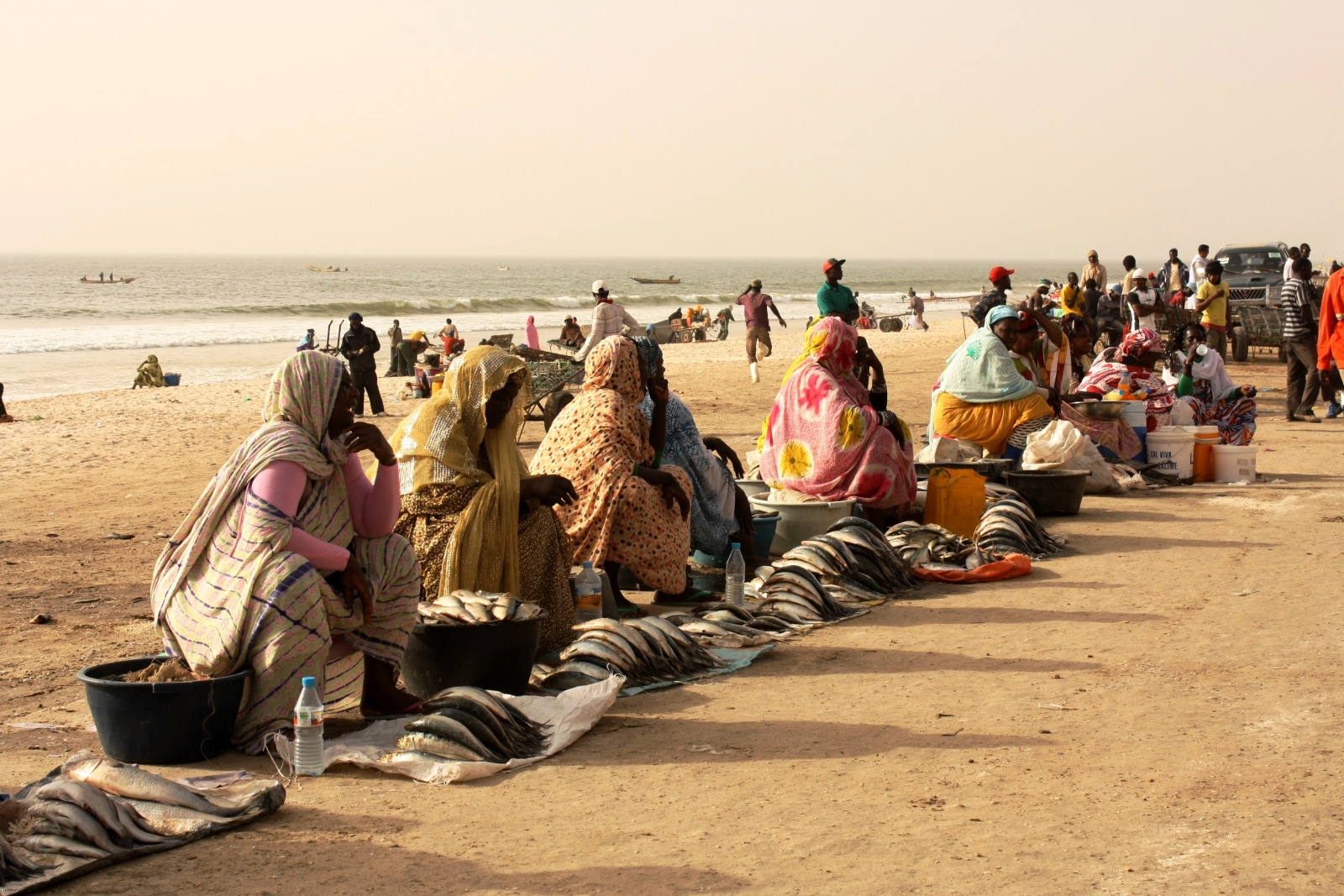
The Bigger the Bride, the Higher Her Chances of Marriage
In the past, a large portion of Mauritania's population led a nomadic lifestyle. The wealth of a family was reflected in the appearance of the women. While poor women had to work hard, the wives of wealthy men stayed at home and did not have to engage in physically demanding labor. This is why a fuller figure became a symbol of prosperity, social status, and a good life.
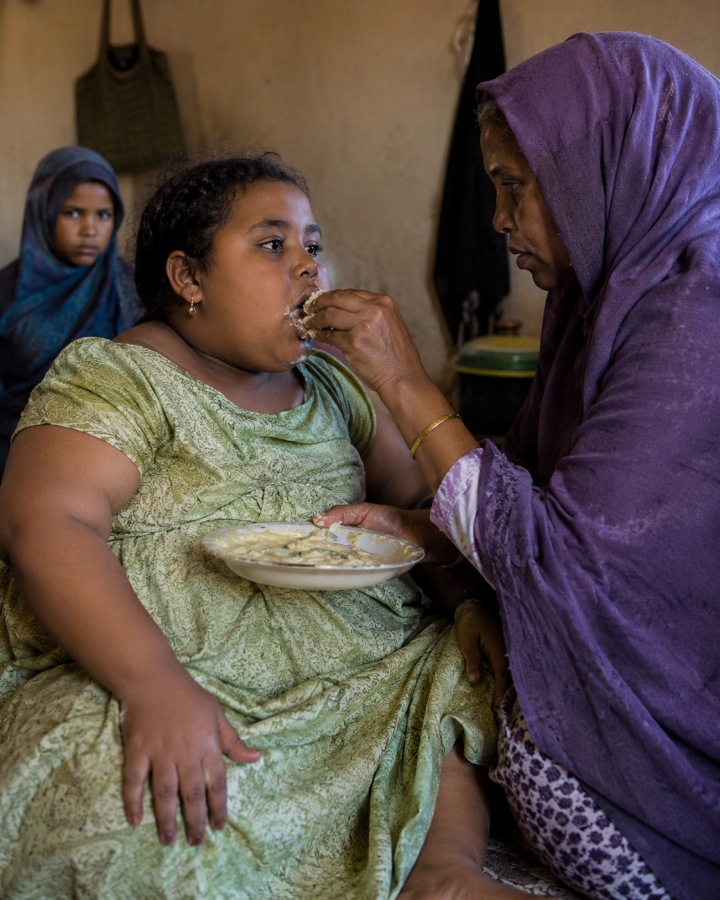
Families believed that the more robust a daughter was, the better chance she would have of finding a wealthy husband and securing a better future. The tradition was so ingrained that many parents considered feeding up their daughters as their duty. They believed that without it, a girl would hardly find a suitable groom, writes The Guardian.
Girls were forced to eat from an early age
The most shocking aspect of the entire tradition is the age of the children.
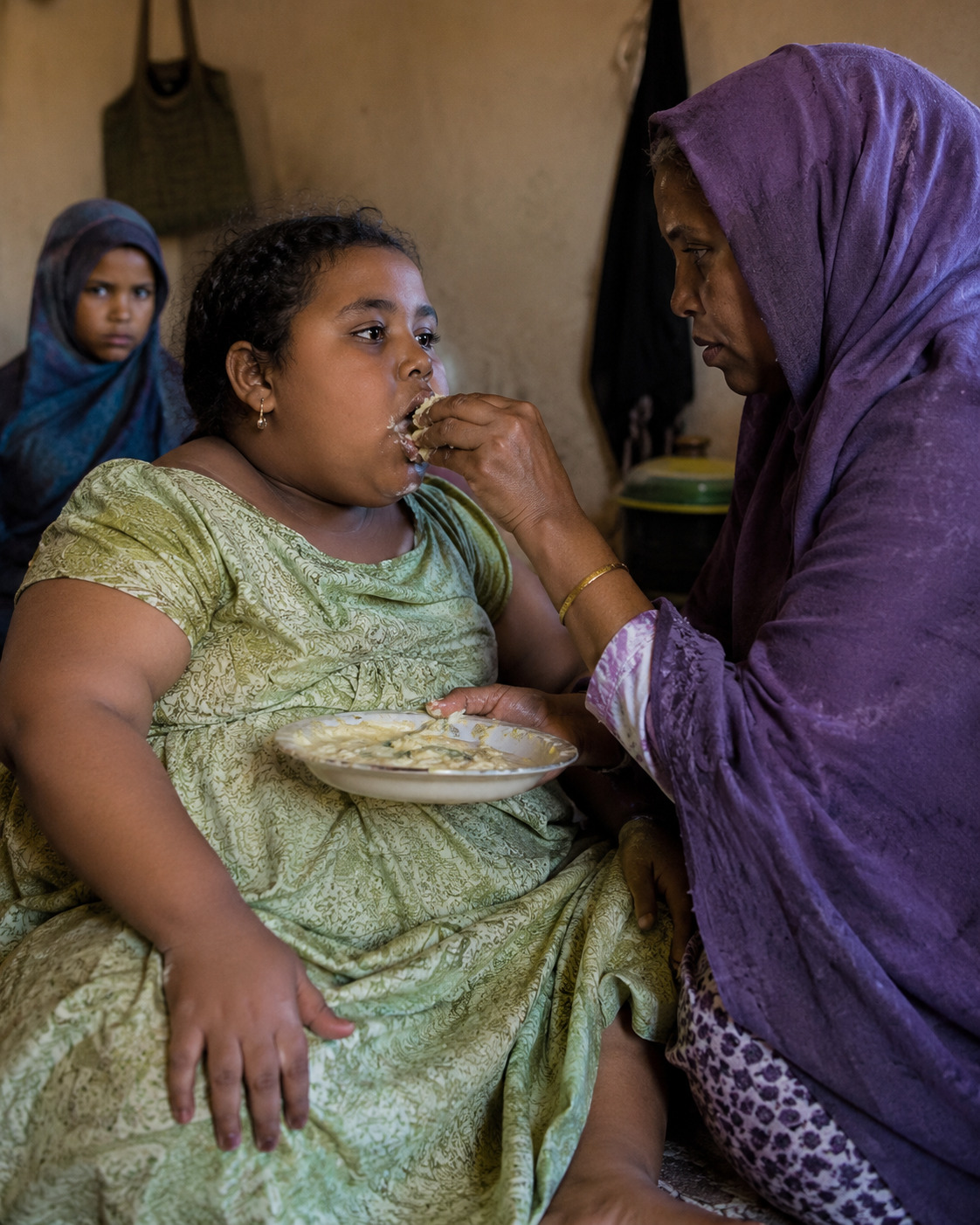
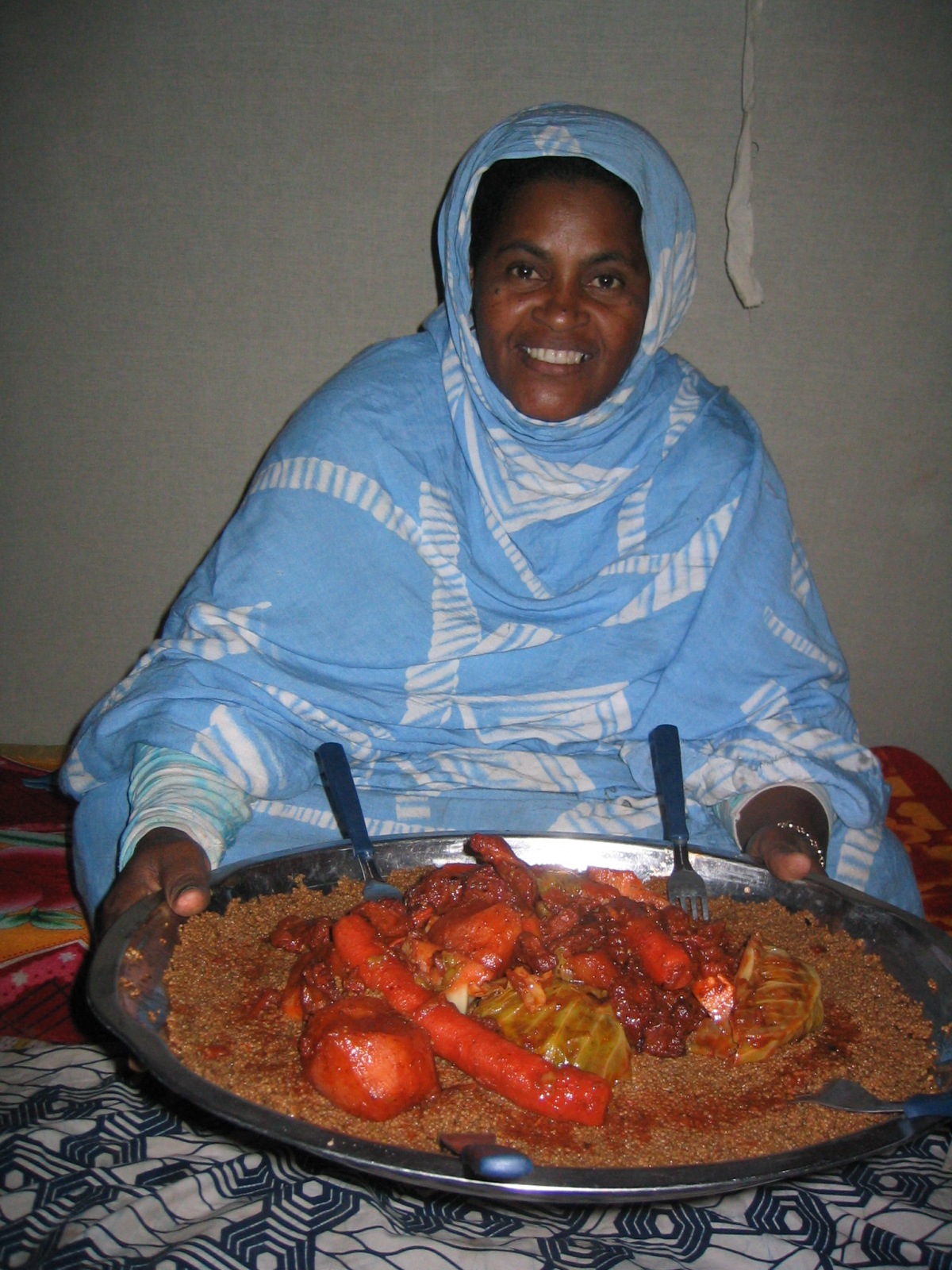
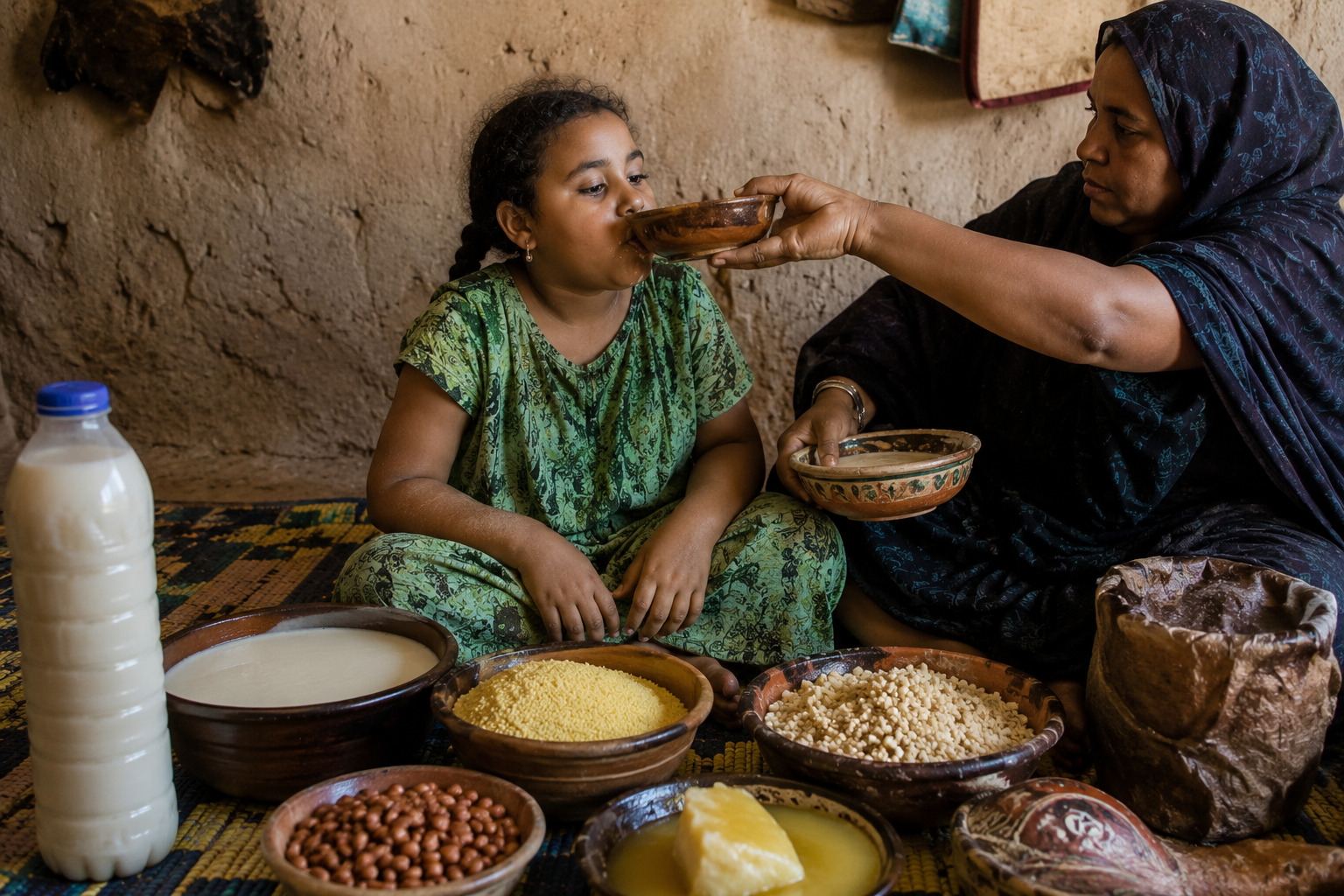
The fattening often started around six or seven years old. The girls had to consume a large amount of food and liquids every day. Their diet consisted mainly of camel milk, couscous, millet, peanut oil, or pure animal fat.

According to expert estimates, they consumed approximately 14,000 to 16,000 calories daily, which is four times what an adult male engaged in competitive bodybuilding would typically consume. For comparison, the recommended daily caloric intake for a healthy twelve-year-old girl is about 1,500 calories.
Refusal to Eat Punished with Pain
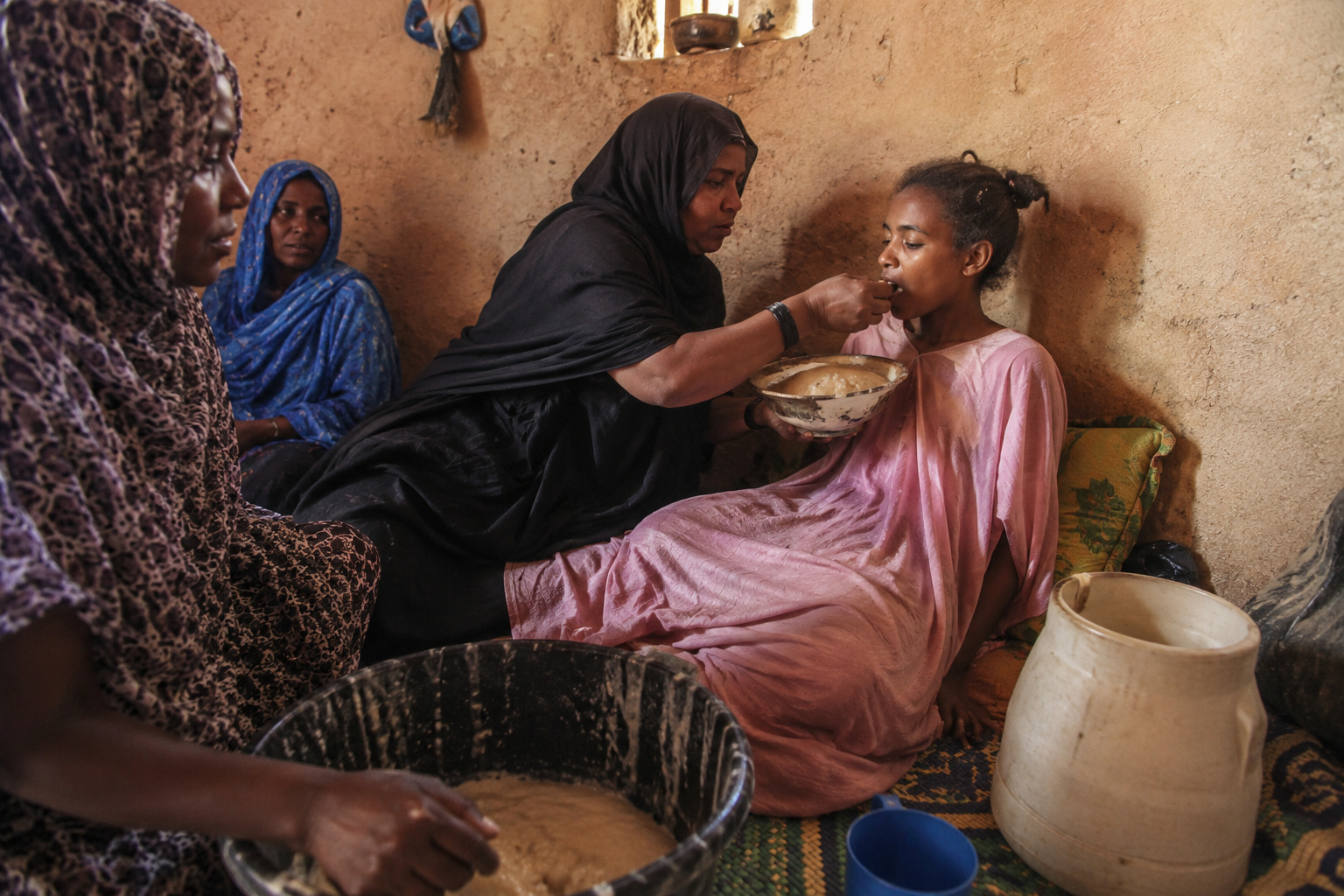
For many children, eating was not voluntary. If they refused to eat or drink, consequences followed. Older women responsible for the fattening process used various painful methods. Among the most well-known were painful squeezing of fingers or skin between wooden sticks, pinching, or beating.
If a girl refused to eat or could not continue, punishments followed. One of the most well-known was a method called zayar. Older women placed the child's toes between two wooden sticks and gradually squeezed them. The pain was intended to force the child to continue eating. According to testimonies from witnesses, it was not uncommon for the girls to have to eat their own vomit if they couldn't keep the food down.
According to historical accounts, some children were forced to drink up to 20 liters of camel milk daily and eat several kilograms of food regardless of whether they were hungry or not.
Twenty-five-year-old Mariam Mint Ahmed is among the women who today openly oppose this tradition.
It is our duty as the younger generation to put an end to a custom that threatens our lives. I know many girls who were force-fed against their will just to get married. Most of them now suffer from high blood pressure, heart diseases, or other health problems,
she told CNN.
According to her, girls were forced to eat huge portions of food and wash them down with bowls of goat or cow's milk. She couldn't hold back her tears when recalling these practices.
Selekeha Mint Sidi has a similar experience.
My mother started force-feeding me when I was thirteen years old. She beat me to eat more fatty couscous and rich lamb meat. After every meal, I felt like my stomach would burst,
She recalls.
Today, she is a mother to a young daughter and claims that she would never expose her daughter to anything similar.

There is no reason why I should force her to go through what I went through.
The most shocking part of the whole tradition are the methods by which girls were forced to eat. If someone refused another bite or couldn't drink anymore, punishment followed.
According to the testimonies of women, their toes were tied between two wooden sticks. When they refused to continue eating, the sticks were compressed, causing unbearable pain. Other women recall being beaten, pinched, or subjected to psychological pressure.
Vomiting after meals was not considered a problem by many older women. They believed it was a natural part of the fattening process.
Using Animal Chemicals Instead of Milk
According to the UNFPA representative Mar Jubero Capdeferro, the situation has in some cases even worsened in recent years. As raw materials became increasingly expensive and many families could no longer afford them, a new problem emerged. Some women began using veterinary steroids intended for the growth of livestock or appetite-enhancing drugs instead of food. Doctors warn that such practices can have serious health consequences, writes The Washington Post.
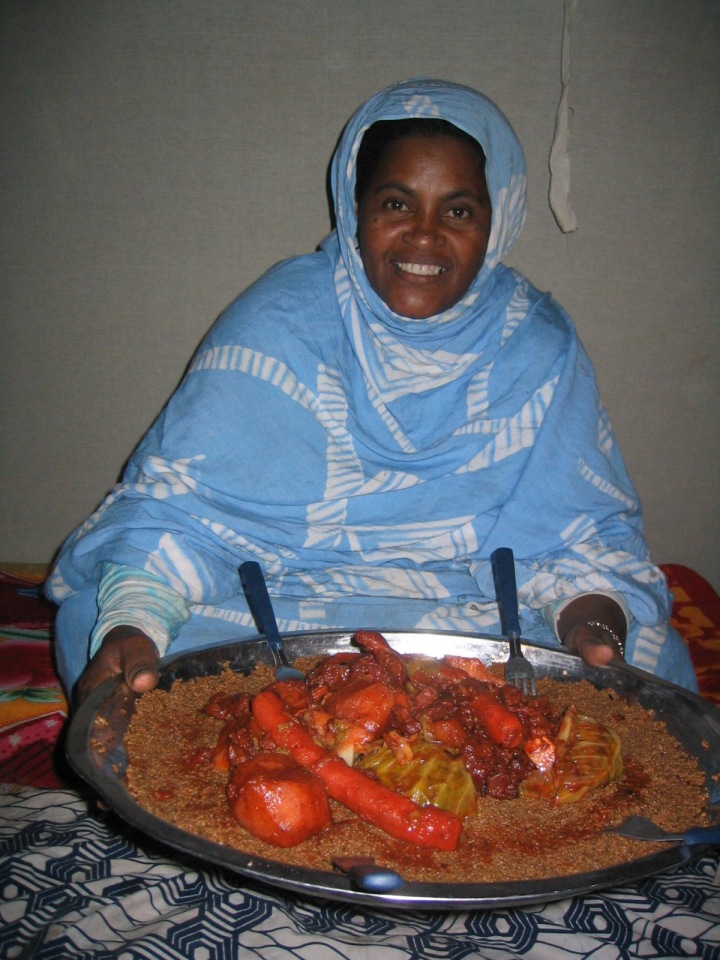
Forced fattening is associated with a higher risk of cardiovascular diseases, diabetes, musculoskeletal problems, complications during pregnancy, and psychological consequences caused by long-term pressure.
The Younger Generation Rejects Tradition
The good news is that the perception of female beauty in Mauritania is gradually changing.
Especially in big cities, young women are increasingly rejecting their grandmothers' traditions. They are exercising, taking more interest in a healthy lifestyle, and do not want to risk lifelong health consequences just to meet societal expectations.
According to UN officials, the situation is significantly improving in the cities.
Today, women work, play sports, and are much more active than before. The younger generation is aware of the consequences of obesity and is gradually moving away from this tradition,
said Capdeferro.
Tradition still survives in rural areas
However, Mauritania has not completely rid itself of it yet.
A study by the Social Solidarity Association showed that approximately 7 percent of girls in major cities were subjected to forced fattening, while in rural areas, this share was around 75 percent.
The main reason is primarily the strong influence of the older generation.
The latest available expert materials from UNICEF from 2025 still list leblouh among harmful traditional practices that occur in Mauritania, although to a much lesser extent than in the past. It is most commonly encountered in remote rural communities, where traditional notions of beauty and marriage are still very deeply rooted.
Fifty-five-year-old Achetou Mint Taleb is convinced that it is the right tradition.
Thin girls bring shame to their family and the entire tribe. Men simply ignore them. I fattened up both of my daughters when they were eight to ten years old. Both got married soon, had children before their seventeenth birthdays, and today I am proud of them,
she said.
Even the criticism from younger women did not change her opinion.
I know the younger generation disagrees with it. But I don't care. I want to stay true to our traditions.
Healthcare workers point out that the consequences of this tradition can be seen in their offices practically every day.
We hospitalize a large number of forced feeding victims daily. Most come from inland areas where this tradition is still observed. It seems that our warnings have not yet been sufficiently heeded,
said Dr. Vadel Lemine from the National Hospital in the capital city of Nouakchott.
Sociologists also warn that completely eliminating this tradition will not be easy. According to analyst Lemrabott Brahim, the notion that beauty, marriage, and a fuller figure are inseparably linked is still deeply rooted in the minds of many mothers, especially in rural areas.
The story of Mauritania illustrates how different perceptions of female beauty can be across the world. What is often a reason for dieting in Europe has been considered a ticket to a better life in this African country for generations. However, today more and more young Mauritanian women are saying a clear "no" to a tradition that they believe not only deprived them of their childhood but often also of their health.
Female Genital Mutilation, Child Marriages, and Polygamy
Forced fattening of girls is not the only controversial tradition that persists in Mauritania. The country has long been criticized for female genital mutilation (FGM) as well. Girls typically undergo this procedure before the age of 15, often for religious or cultural reasons. In many communities, circumcision is still considered a symbol of purity, virtue, and a prerequisite for marriage, despite it carrying lifelong health and psychological consequences.
Mauritania is also among the countries where child marriages are still prevalent. According to UNICEF data, as recently as 2017, more than a third of girls were married before reaching the age of 18, and some even before their fifteenth birthday. Such early marriages increase the risk of complications during pregnancy and childbirth and often mean the end of education and childhood.
Moreover, polygamy is legal in the country. A man can have up to four wives if he meets the conditions set by local legislation and Islamic law. Although the status of women has gradually improved in recent years, human rights advocates point out that traditional customs still significantly affect the lives of many girls, especially in rural areas.
However, Mauritania not only surprises with unusual perceptions of female beauty. The country still retains a number of wedding customs, which differ significantly from traditions in Europe and most of the Arab world. One of these is the selection of wedding dresses, which might surprise visitors to this African country quite a bit.
Why don't brides in Mauritania get married in white? Instead, they wear black, and the reason surprises many
When it comes to wedding dresses, most people automatically think of long white gowns that have symbolized purity, innocence, and a new beginning for centuries. In many countries around the world, the color white is an inseparable part of the wedding ceremony, while black is primarily associated with mourning and funerals, writes The Observers.
However, in African Mauritania, it's completely different. Local brides have been marrying in black for generations. For foreigners, such a custom may be surprising, but for the inhabitants of this West African country, it is one of the most important wedding traditions, passed down from generation to generation.
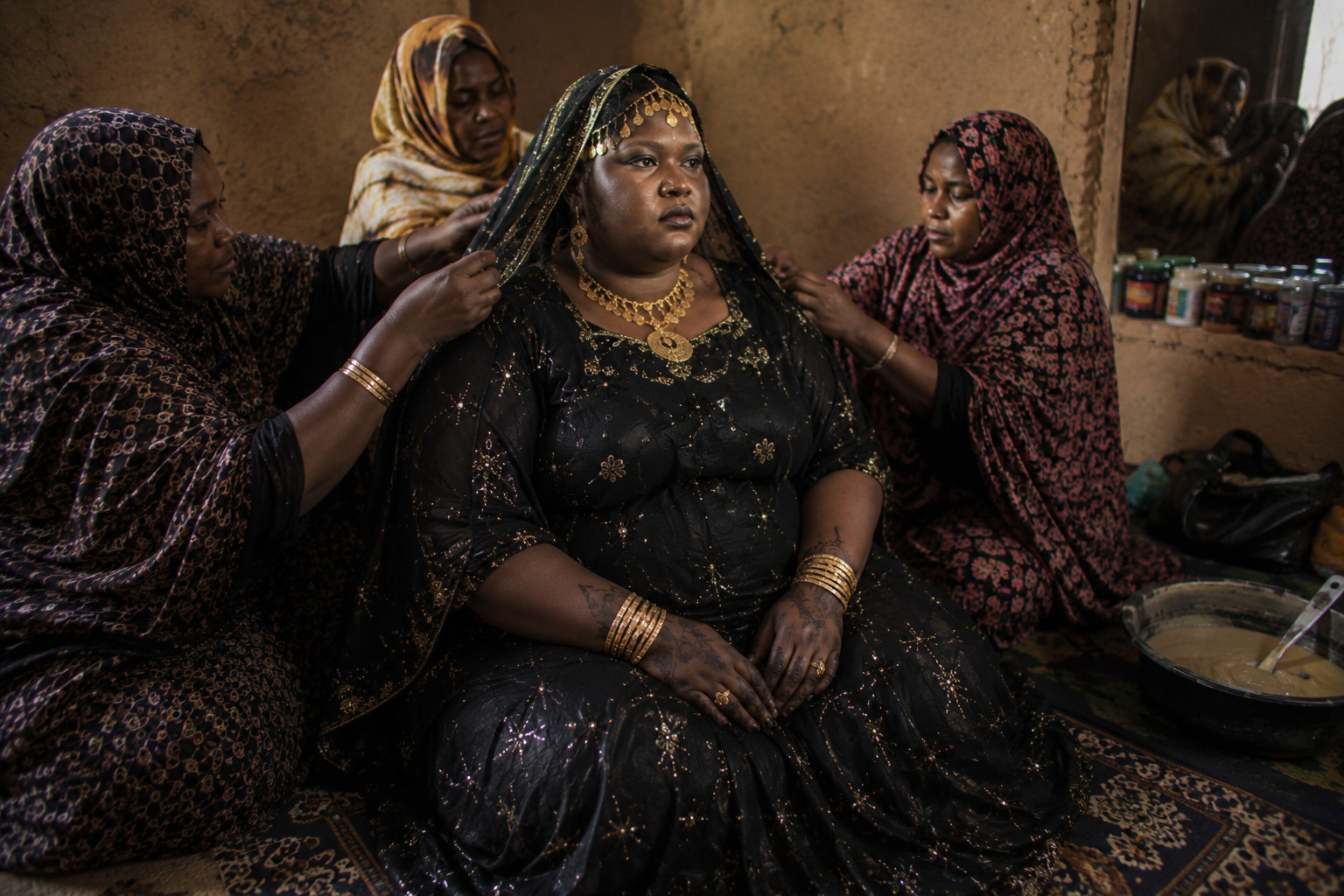
The traditional wedding attire is called lakhel. It is a high-quality black fabric richly embroidered, which families prepare with exceptional care. In some families, its production begins shortly after a baby girl is born.
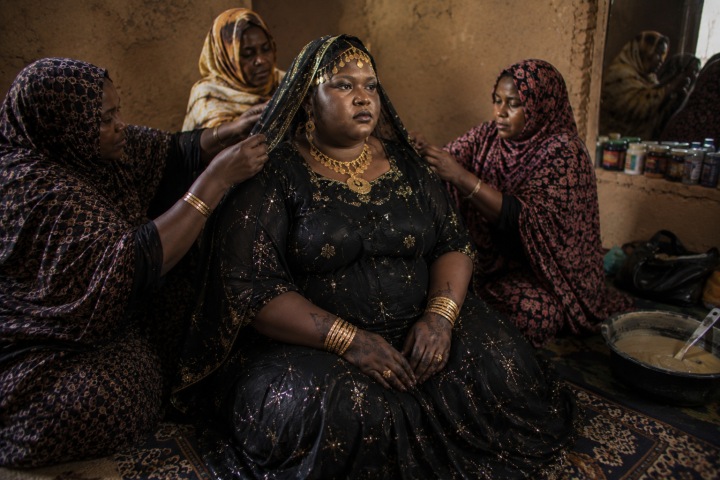
The production of such a dress can take years. Each embroidery has its meaning, and the wedding attire often becomes a family heirloom, commemorating respect for ancestors and the preservation of traditions. According to locals, a bride who wears a different color at her wedding would break established customs and show disrespect towards her family and cultural heritage.
Interestingly, this tradition exclusively concerns women. On the contrary, grooms enter marriage dressed in white attire.
The tradition has aesthetic, health, and religious explanations
Mauritanians cite several reasons why the color black became a symbol of weddings.
One of them is the ancient ideal of beauty. In the past, women with very fair skin and bright white teeth were considered exceptionally attractive. The contrast between the black attire and fair skin was believed to enhance the perception of female beauty even further.
Tradition is also linked to the old belief that the natural materials used to make wedding attire, which were once primarily imported from neighboring Mali, had beneficial effects on the skin. People believed that they helped reduce dark spots on the skin and contributed to a healthier appearance. Even though modern medicine has not confirmed these effects, the tradition has persisted to this day.
There is also a religious dimension. Some Mauritanians refer to Islamic traditions, according to which the Prophet Muhammad associated the color black with victory and honor. This is why it is perceived in the country as a color of dignity and significant life moments.
The Wedding Was an Event for the Entire Community
Marriage held extraordinary significance in traditional Mauritanian society. It wasn't just the union of two people, but also of two families and often entire tribes. Therefore, wedding celebrations were one of the most significant social events of the year. In times of nomadic life, they commonly lasted up to seven days, only with the advent of a more modern way of life did they gradually shorten to a few days or a single festive evening. The celebrations included music, singing, dancing, lavish feasts, and visits from relatives who traveled long distances to wish the newlyweds a happy life together, writes the portal culture.gov.mv.
The Bride Was Adorned by Women from the Family
Before the wedding itself, the bride was traditionally prepared exclusively in the company of women. Relatives braided her hair, adorned her with jewelry made of gold, silver, and precious stones, and with fragrant oils and incense. An important part of the preparations was also the decoration of the hands and feet with henna, which in Mauritania symbolizes beauty, happiness, and blessing for a new life. After the ceremony, there was a ceremonial procession of the bride accompanied by music, singing, and traditional congratulations. On this occasion, older women shared advice and recommendations for marital life with the newlywed.
Every country has its wedding customs
Mauritania is not the only place in the world where wedding dresses are not white. In India, many brides wear red saris as a symbol of luck and fertility. In China, the color red dominates, meant to bring prosperity and a fortunate fate. In Japan, the bride often changes into several traditional outfits of different colors during the ceremony.
White wedding dresses became widespread worldwide only in the 19th century after the wedding of British Queen Victoria, who wore a white dress in 1840. Until then, brides in Europe wore dresses of various colors according to local customs and family means.
The story of Mauritania thus reminds us that wedding traditions vary significantly across the world. What is a symbol of sorrow in one country can represent beauty, respect for ancestors, and the beginning of a shared life elsewhere.
Source: original text, The Guardian, CNN, The Washington Post, UNICEF (expert materials from 2025), UNFPA (United Nations Population Fund), Mauritanian Ministry of Culture (culture.gov.mr), The Observers