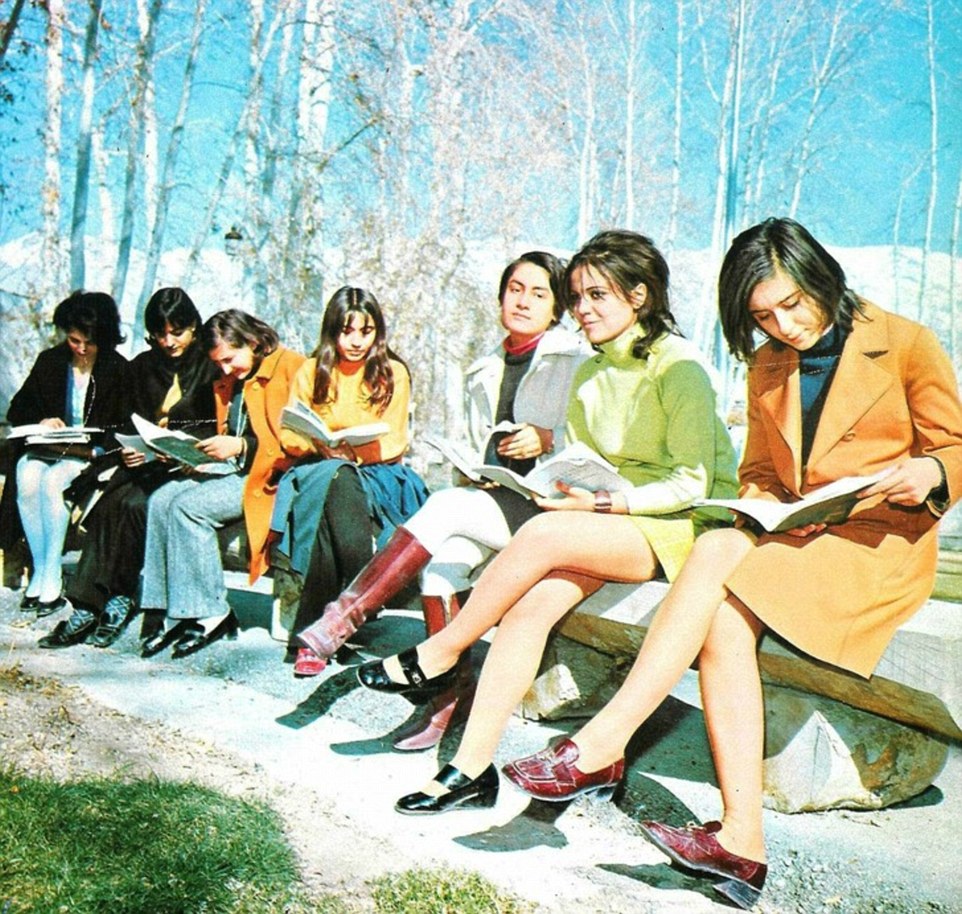
The footage shows young women with loose hair, modern coats, mini skirts, and high heels, moving through the streets of Tehran, studying alongside men at universities, working in hospitals, schools, or offices. Social norms allowed them an active life, and for today's generation, it is an incredible contrast with the reality of present-day Iran, where strict rules limit the movement and clothing of women. Old photographs, which regularly appear in archives and media, are therefore a shocking reminder of how dramatically Iran has changed over the past decades.
Even before the Islamic Revolution in 1979, Iran was considered one of the most modern countries in the Middle East, where women gradually engaged in public life, obtained education, and legal opportunities to operate in society, with organizations like the Women’s Organization of Iran playing a significant role.
Modernization and Western Influence during the Pahlavi Dynasty
At the beginning of the 20th century, the world began to change rapidly. The enthusiasm following the end of World War I also brought liberalization of the social status of women. In Czechoslovakia, women gained the right to vote, and their status improved in Muslim countries like Turkey and Iran, where the Pahlavi dynasty was behind the reforms. Between 1925 and 1941, Reza Shah implemented Western-style reforms, which included, for example, schooling for girls.
Open in gallery (2)
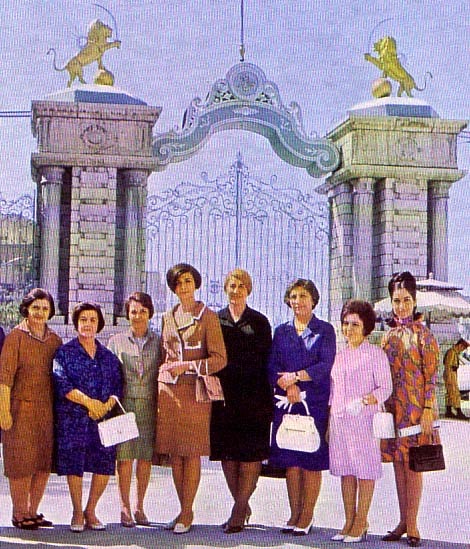
Members of the Iranian parliament (Majlis Shoraye Melli) in front of the entrance, mid-1970sSource: Sconosciuto/Wikimedia Commons/Public Domain
Women could wear modern clothing in public spaces and participate in social life, with the hijab not being strictly enforced and its wearing being a matter of tradition and personal choice. After his death, he was succeeded by his son Mohammad Reza Pahlavi (1941–1979), who continued with modernization reforms. Women could study, work, and wear miniskirts or modern coats, with social norms allowing their active participation in university and public life.
Pronájem bytu 2+kk, Praha 8 - 51, Praha 8
Show property
In Tehran and other major cities, there was an atmosphere reminiscent of the free-spirited 60s in Western countries. Rock music played in the bars, the streets were full of young people in modern clothing, and the evening life pulsed with energy. Today, those in Iran remember the cultural trends of that time as golden days. For example, the Miss Iran contest was still held in 1978 – for the last time before the political revolution that was to come a year later.
While urban elites lived a modern lifestyle, in many rural areas traditions remained significantly more conservative. This contrast also became one of the factors of dissatisfaction, which later led to the revolution.
The Revolution That Changed the Lives of Millions of Women
The relaxed atmosphere gradually clashed with growing discontent in parts of society. Critics of the monarchy accused the regime of corruption, inequality, and excessive imitation of the West. Protests began to spread in the country, culminating at the beginning of 1979. In January of that year, Shah Mohammad Reza Pahlavi, who had ruled the country for nearly four decades, left Iran. His departure marked the end of the monarchy and also the end of a period of relatively liberal society.
After the fall of the Shah, power was taken by Ayatollah Ruhollah Khomeini, a religious leader who became the symbol of the Islamic revolution. As one of the most influential spiritual leaders, he advocated a return to strict religious rules and sharply criticized the Western way of life. After taking power, he gradually began to change the character of the state, and Iran transformed into an Islamic republic where religious authorities gained decisive political power.
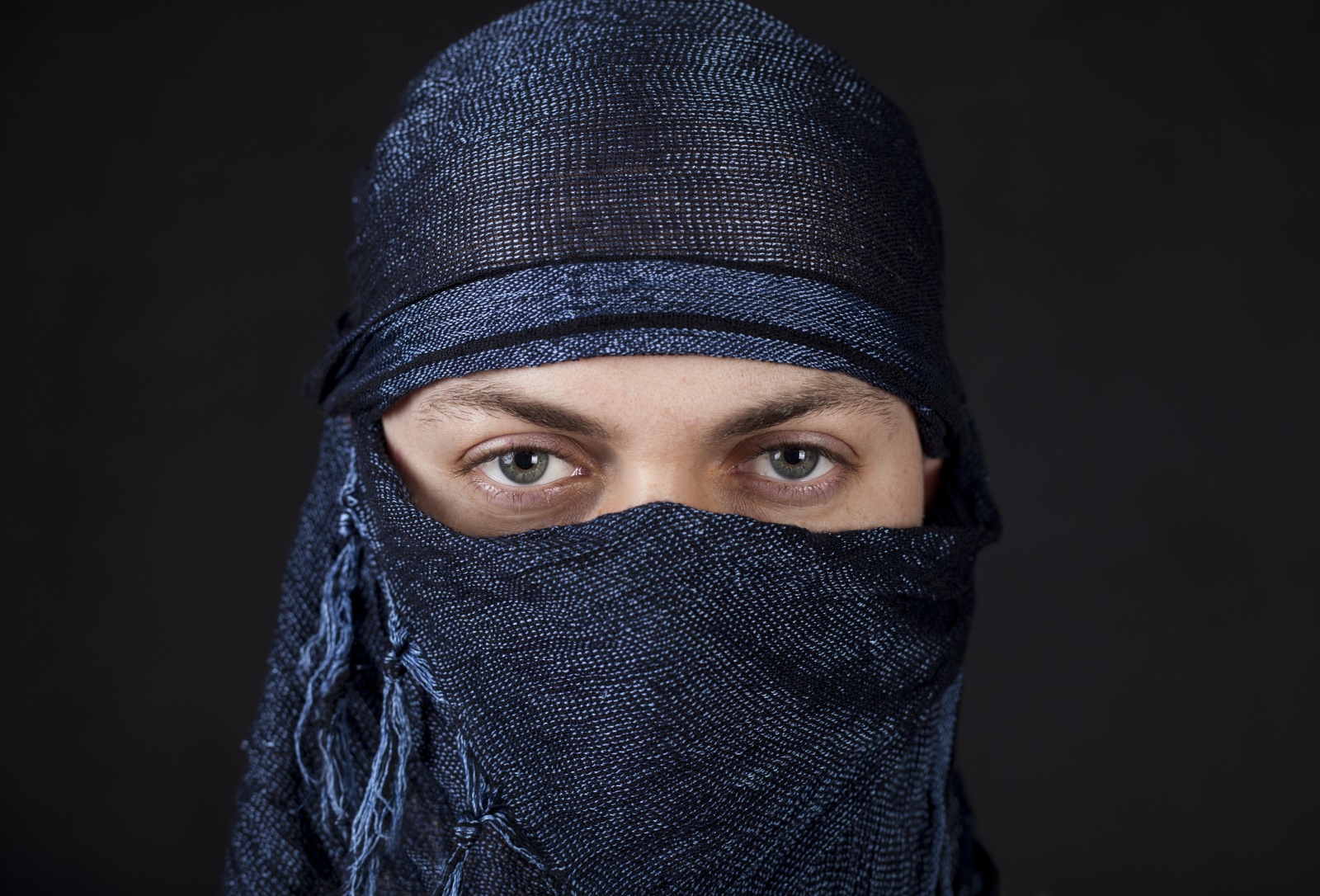
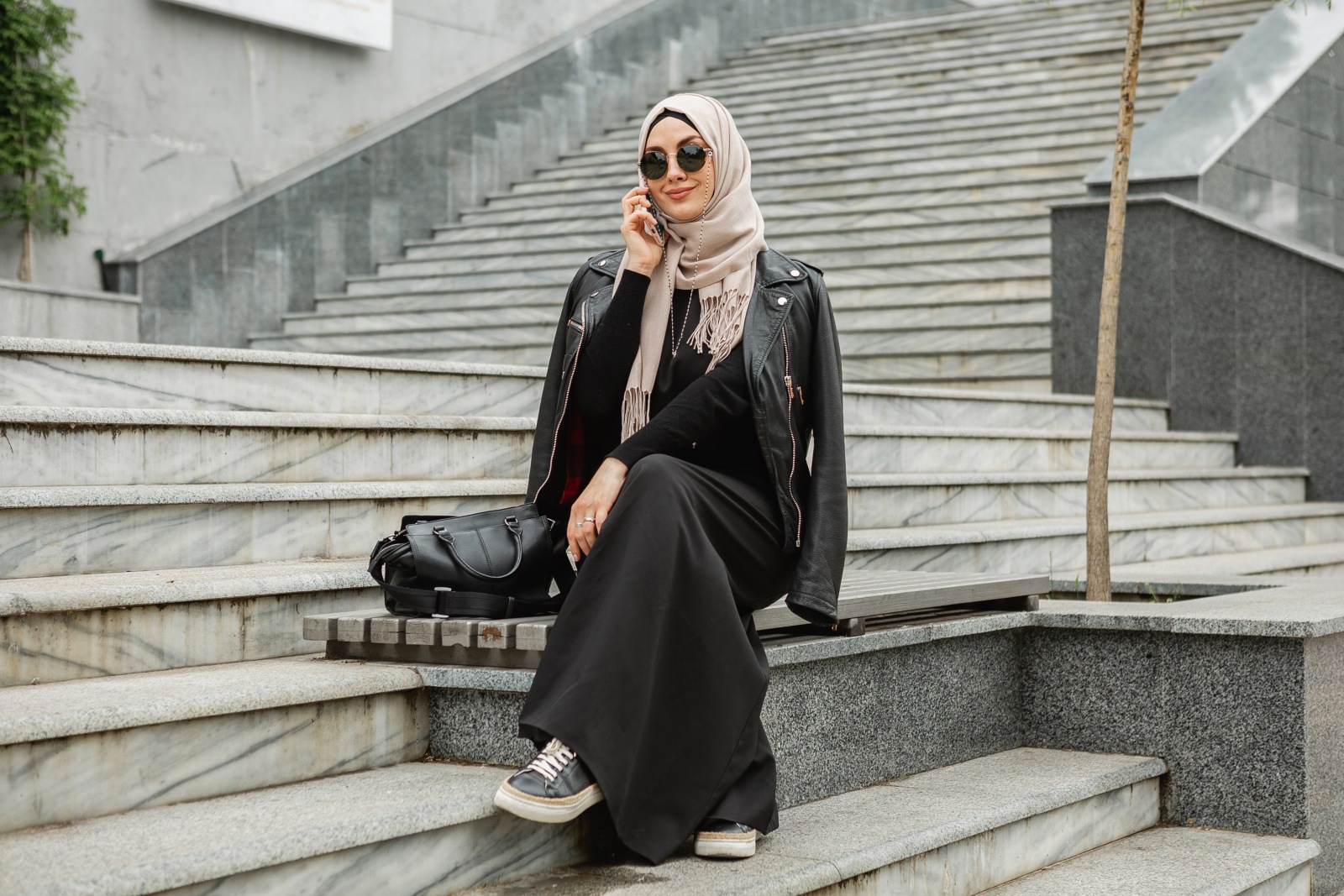
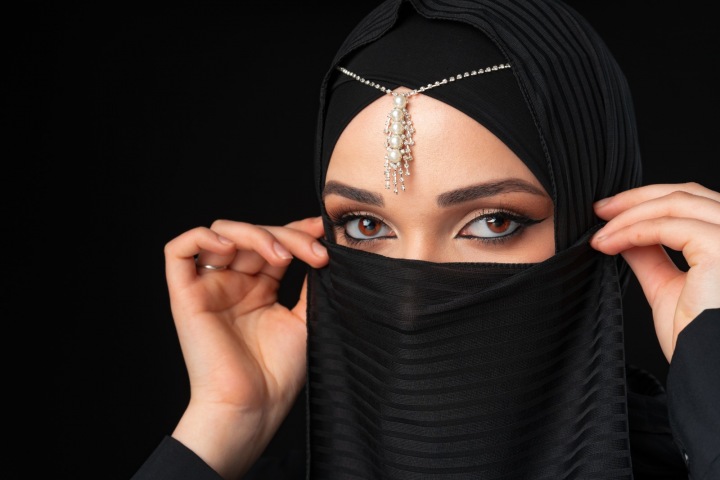
Modern music quickly became a thorn in the side of the new regime, and the urban cultural scene full of music clubs was dismantled. Another symbol of the conservative transformation of the country became the hijab. While in historical photographs we see women in the typical fashion of the 60s and 70s, in the next decade religious clothing became mandatory in public. In 1983, veiling was even incorporated into the penal code with draconian punishments.
Failure to comply with the law could lead to imprisonment or medieval flogging. The hijab thus evolved into a tool of political control and a sign of the Islamic identity of the state.
Open in gallery (2)
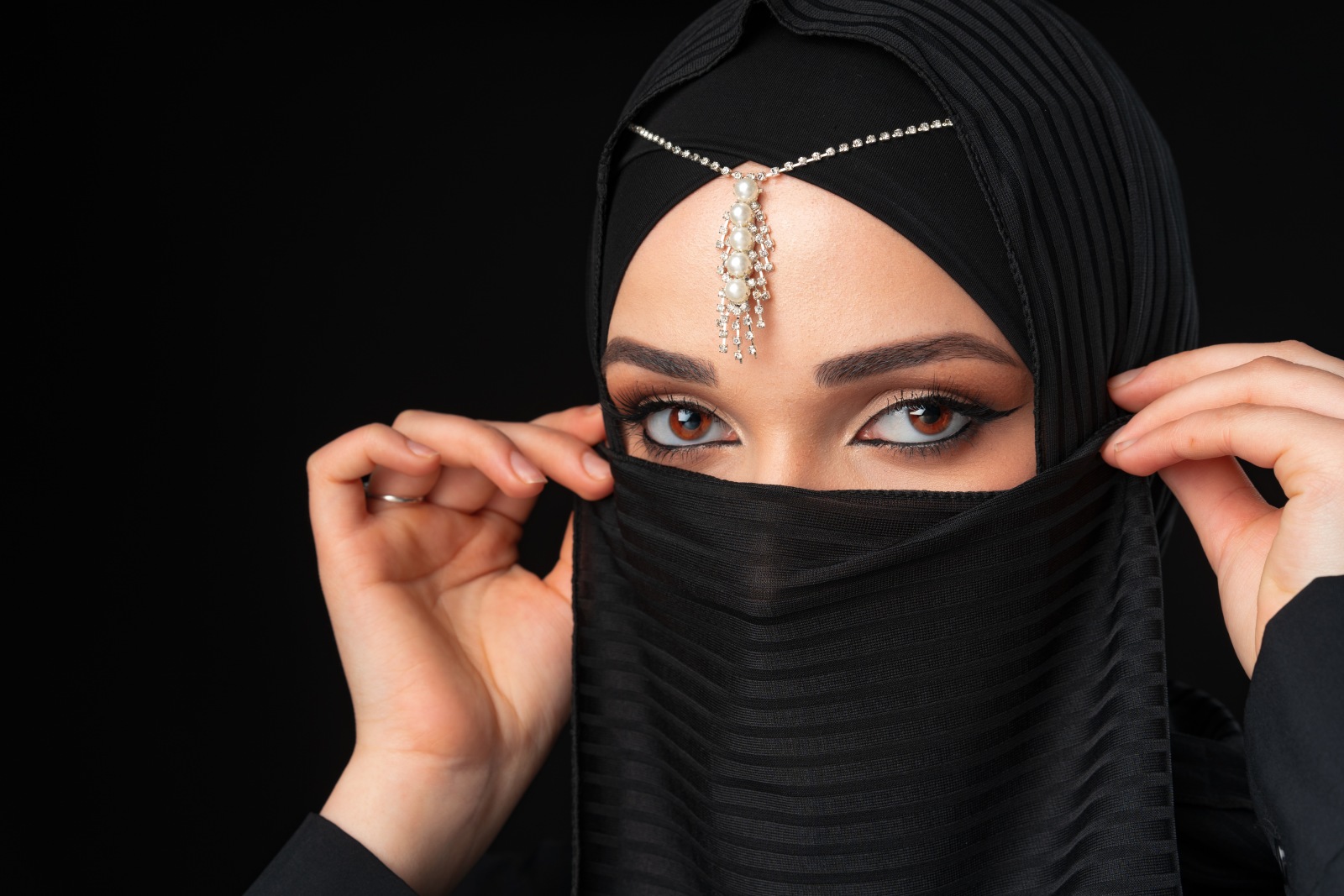
HijabSource: Freepik
Hijab in the Quran
The word hijab itself is not directly used in the Quran in the sense of women's clothing. It appears, for example, in Surah 33 in connection with the word "screen" or "veil," which was meant to symbolically separate the private space of the prophet's family from other people.
When the Quran speaks of the veiling of women, it uses other terms, such as khimar or jilbab. The texts suggest that believing women should maintain modesty, cover their adornments, and drape the veil in a way that also covers the chest. These verses are often interpreted as the religious basis for the tradition of female veiling in Islam.
Ali Khamenei and the Firm Embedding of the Law
After Khomeini's death in 1989, Ali Khamenei took power and tightened the enforcement of hijab regulations, firmly embedding its mandatory wearing into the laws and culture of the state. In the 1990s, penalties for violating hijab rules became even stricter. Women could face imprisonment, fines, or social sanctions. The moral police, Gasht-e Ershad, patrolled the streets, stopping women and forcing them to sign pledges to abide by the law. Between 2013 and 2014, more than 220,000 women were detained, with thousands more warned or punished.
Protests and Resistance Against the Hijab
The situation of Iranian women came to the forefront of global attention especially in 2022 after the death of a young Kurdish woman Mahsa Amini. She died after being detained by the morality police, who accused her of wearing the hijab improperly. Her death sparked a wave of protests with the slogan “Woman, Life, Freedom” that spread throughout the country.
The protests revealed that a large part of Iranian society, particularly the younger generation, desires significant social changes. Some women have begun to symbolically remove their headscarves or cut their hair in protest against the regime.
Technology and Modern Methods of Control
The control system has also evolved technically. In 2023, Iranian authorities sent nearly one million SMS warnings to women who appeared without hijabs. In December 2025, organizers of a marathon on Kish Island were arrested where women ran without hijabs, as according to authorities, they violated "public decency." Despite strict laws, in cities like Tehran, the rules are practically being relaxed, and many women ignore the scarves without fear of immediate police intervention, writes the portal Wncri.org.
In 2023, Parliament passed a stricter law on the hijab, but President Masoud Pezeshkian's government refused to apply it strictly to avoid destabilizing society.
Can the situation change?
In recent years, some analysts have been considering whether the regime in Tehran will have to gradually liberalize. International pressure, economic problems, and internal protests create strong pressure on the government.
Some reports suggest that authorities have already relaxed control over dress code enforcement during certain periods. Women without headscarves occasionally appear on the streets of Tehran.
Archival photos from Iran before 1979 are often shared on social media today. For many, they symbolize that the country once looked completely different - more modern, open, and culturally diverse. At the same time, they remind us that Iran's history is much more complex.
Source: original text, wsj.com, wncri.org, rarehistoricalphotos.com, petapixel.com