The state is reaching deep into pockets. After the elections, it plans to take money from the largest cities

After the municipal elections, some cities may lose money they were counting on for their further development. Politicians from the ANO movement are not happy with how large the budgets they work with are. In this context, the candidate for mayor of the metropolis Tomáš Portlík even speaks of war being declared on Prague.
Andrej Babiš's political movement promised citizens before last year's elections that things would be better. It planned to reduce people's taxes, ensure cheaper mortgages, and maintain valorizations and pension increases. It is already clear that it will not be able to fulfill many of these things. For next year, it is counting on the second largest budget deficit in the state's history.
Are cities too wealthy?
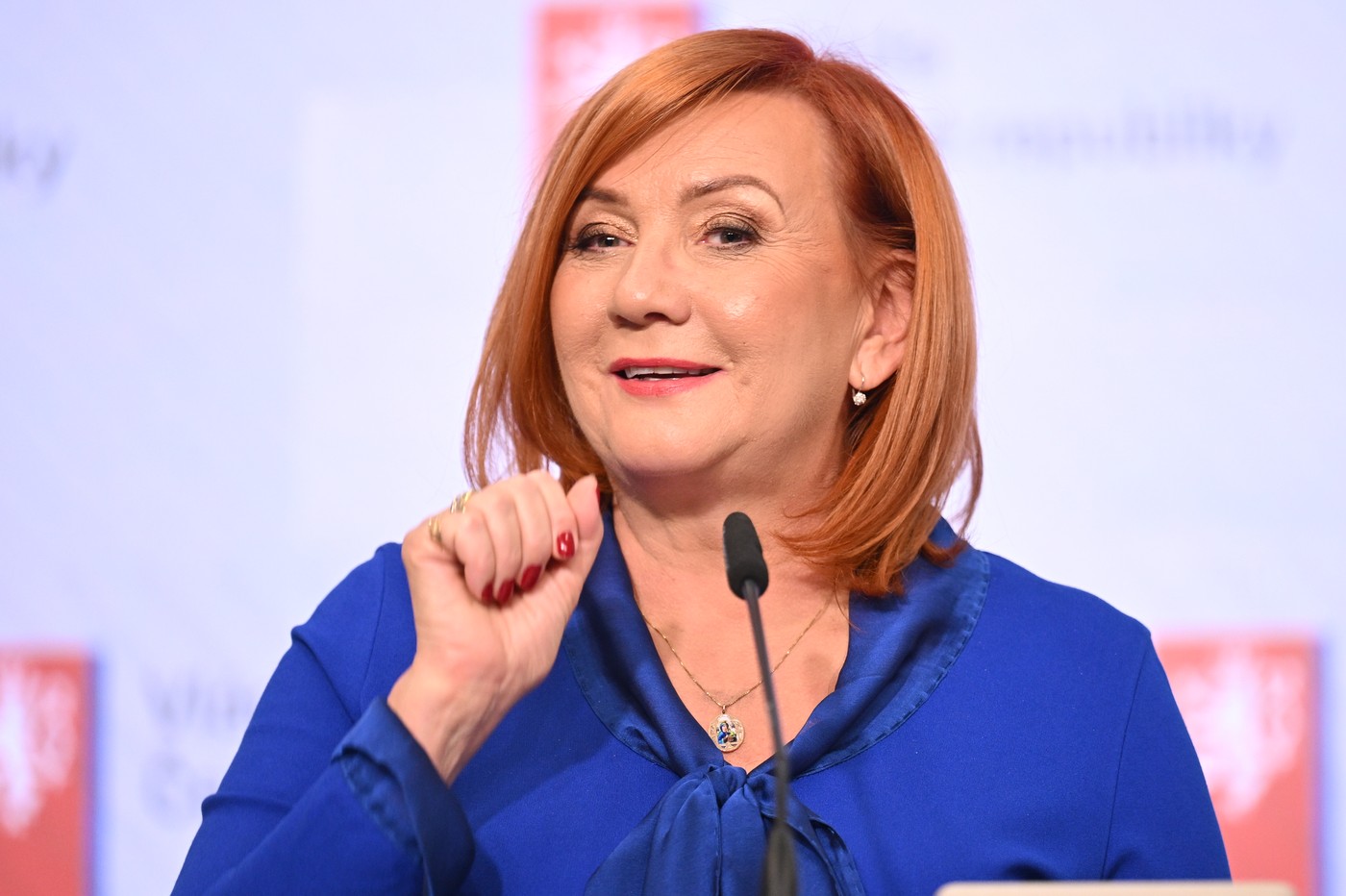
Through the words of Finance Minister Alena Schillerová, ANO has also let it be known that in addition to incurring debt, it will also go after another possible source of its expenditures. In the long term, it could reach for changes in the setting of tax revenue allocation, which would affect the budgets of the four largest cities in the republic – Prague, Brno, Ostrava, and Plzeň. This parameter determines how much funding local governments have for schools, roads, various services for their citizens, and investments.
"Prague has inadequate amounts of money that it doesn't spend, it's unable to spend it. The Association of Regions, which has long criticized the tax allocation system, is preparing some kind of basis for how the tax allocation should be, I'm waiting for it. We are of course also working to distribute it more fairly,"
Schillerová stated in September on Czech Television.
Regions, municipalities and voluntary associations of municipalities are relatively good managers compared to the state. In the first half of this year, they reported a budget surplus of 60.5 billion crowns. After excluding direct expenditures on education and subsidies provided to private schools, which regions and Prague only forward and which do not reflect their own budget management, it reached 26.2 billion crowns. Prague's budget alone ended with a surplus of 19.3 billion CZK and thus increased by 6.5 percent year-on-year. All this is happening at a time when, although the economy is growing, the state budget deficit is simultaneously the fourth deepest since the establishment of Czechia.
Large Investments
The style of taking from the rich and giving to the poor may remind some of communist times. All this, moreover, at a time when the state has its pockets empty due to its unrealistic populist visions and is therefore trying to find money wherever possible.
However, the reason may also be that Andrej Babiš can rely on public support rather outside large cities. At the moment when he doesn't have these town halls under control, it means that a relatively strong political representation is forming behind his back, which manages billion-worth budgets comparable to those handled by his ministries.
"The city currently has several hundred ongoing and planned investment projects across sectors. Construction is underway in many places, other constructions are being designed, and co-financing needs to be covered in some areas. And it's not just about investments. For example, we allocate the most money for culture of all regional cities in the Czech Republic, both in total absolute numbers and per capita. It's really not possible to change the conditions almost overnight, the city would be practically paralyzed,"
complained in this context on her Facebook profile, Brno's mayor Markéta Vaňková. In this year alone, Brno's total investments are set to reach nearly 9 billion. This includes, among other things, the completion of the construction of a multifunctional hall at the exhibition centre, ongoing work on the Janáček Cultural Centre, or the construction of a tram line to the Kamechy housing estate.
The capital city doesn't mince words either. ODS mayoral candidate Tomáš Portlík warns that Prague is facing investments of more than 400 billion crowns in the near future, for example in the new metro D line, road construction, wastewater treatment plant and further development.
"Every now and then someone from the ANO movement lets slip that Prague should receive less money from taxes. And on top of that, statements by Prime Minister Babiš and Finance Minister Schillerová about billions in Prague's accounts, that's not just some dig anymore. From my point of view, they have declared war on Prague,"
he told Seznam Zprávy server Portlík.
The state wants to "effectively manage" local government money
Outwardly, ANO is trying to calm the situation so as not to alienate right-wing voters before the October elections, and invokes the argument that its main goal is to ensure that local government funds are appreciated. One piece of evidence is also supposed to be a new savings account in the state treasury that combines the advantages of a current and savings account. It was prepared by the Czech National Bank in cooperation with the Ministry of Finance. It will offer local governments an appreciation of 3.7 percent.
"Liquidity 2.0 is a solution beneficial for municipalities, regions, the state, and especially for citizens who rightfully expect that public money will be handled efficiently. Local governments will gain the opportunity for completely safe and attractive appreciation without giving up immediate access to their funds. The state, thanks to more efficient management of voluntarily deposited money, will reduce its dependence and need for more expensive financing on the financial market and lower debt servicing costs,"
Schillerová explains the purpose of the described financial product.
Sources: original article, ČNB, Seznam Zprávy, ČT