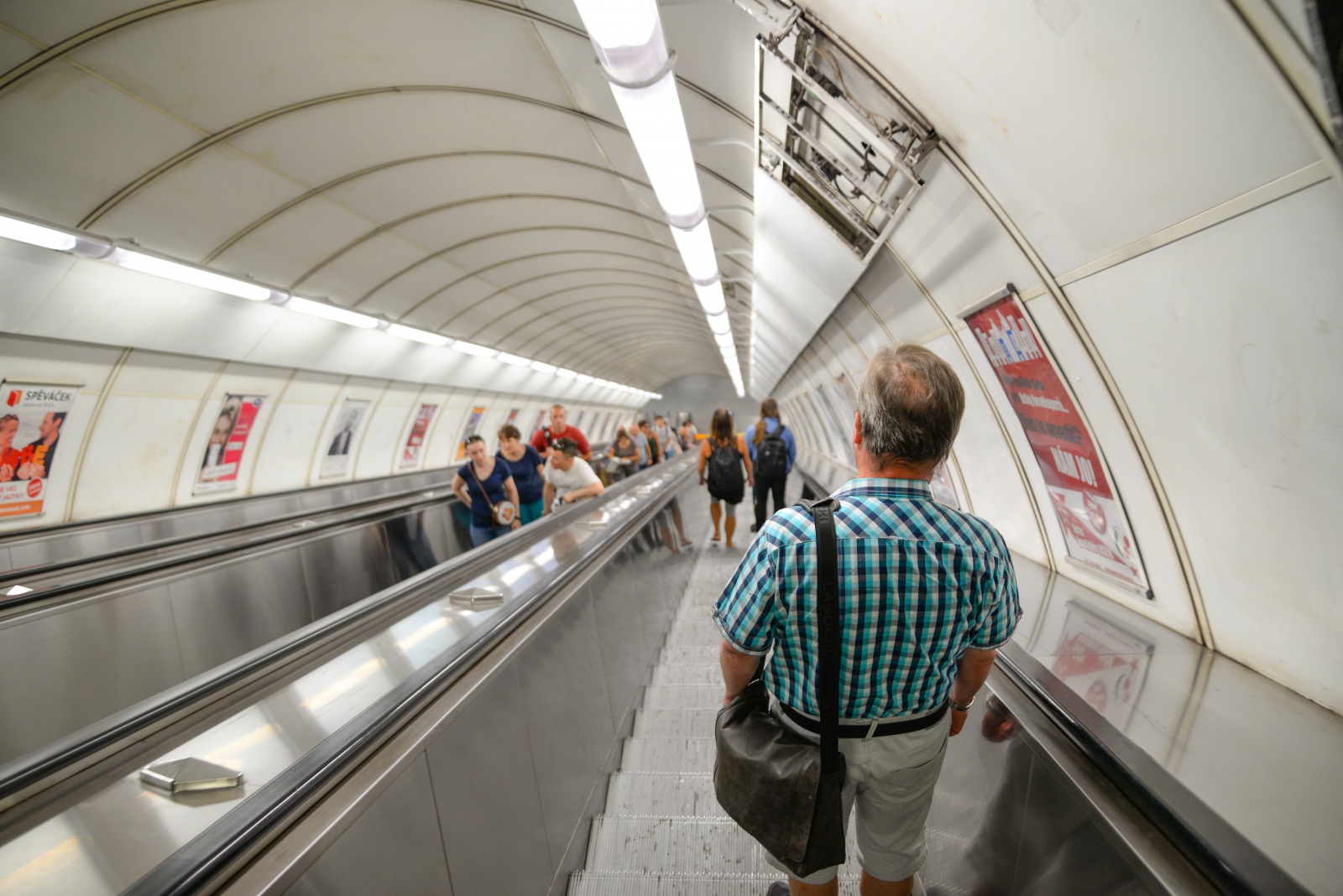
Prague is preparing to defend its own residents. A new shelter system is set to assist.

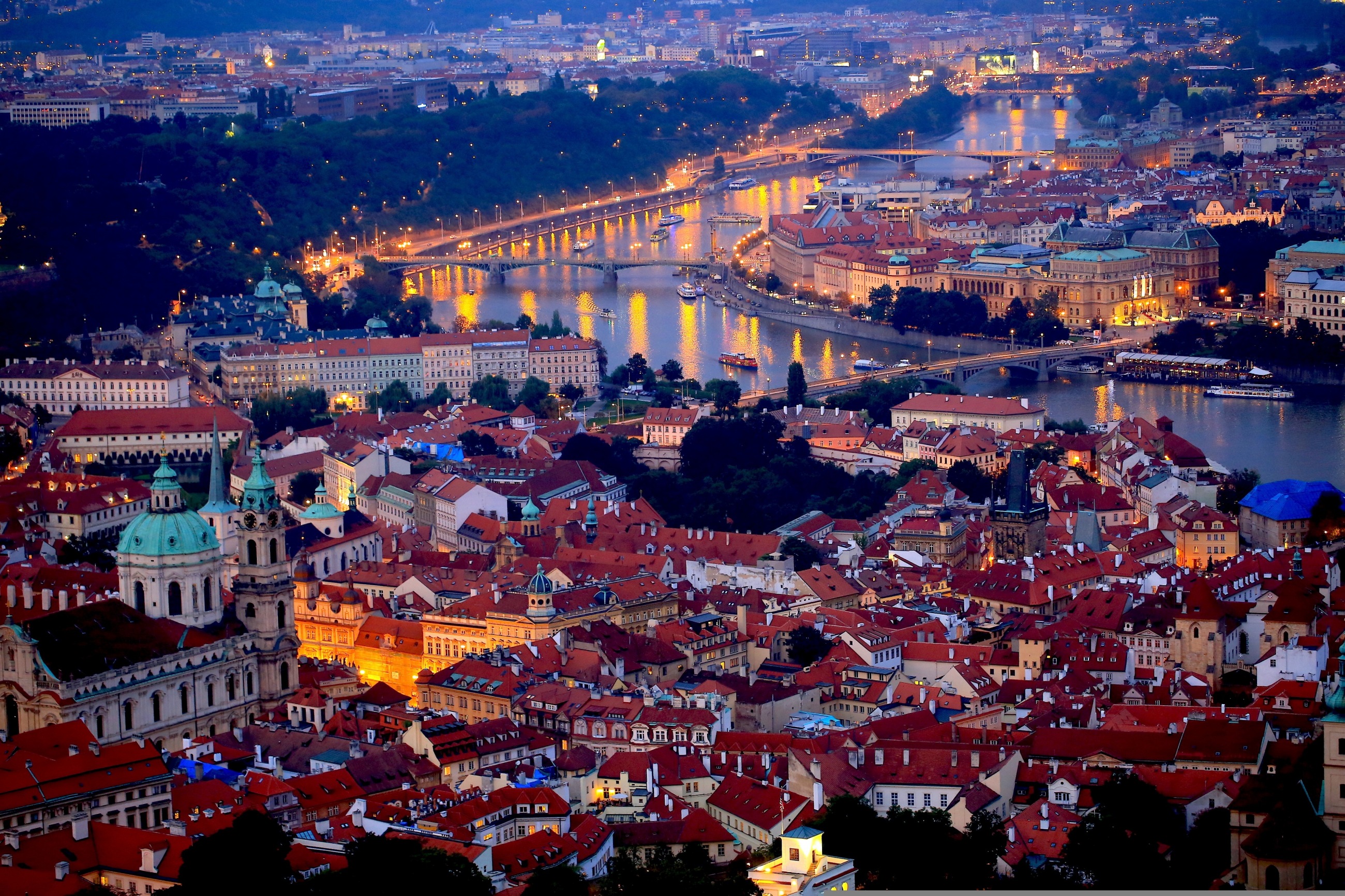
Prague will cooperate with firefighters and three Czech universities to find suitable buildings and spaces that will serve as improvised shelters for citizens. This will make the city one of the first domestic municipalities to practically use this system.
"Good crisis preparedness does not arise at the moment of an extraordinary event. It arises long before it, through the collaboration of experts, firefighters, academia, and local government. Our goal is for the capital city to be ready for various crisis situations and to protect its residents as best as possible,"
said the Mayor of Prague Bohuslav Svoboda in a press release.
The new approach aims to help the city locate suitable buildings and spaces, assess their capacity, protective properties, and level of risk. For identified objects, expert assessments and possible modifications can be recommended to enhance the level of protection provided. In addition to the capital city and Prague firefighters, the collaboration will include the University of Defence, Brno University of Technology, and Tomas Bata University in Zlín.
Existing shelters are not sufficient
According to the latest data, there are nearly 700 operational civil protection shelters in Prague, accommodating around 120,000 people. A completely separate shelter includes, for example, the metro's protective system with a capacity for about 400,000 citizens, as well as the Strahov Tunnel. Among the largest shelters are also the five underground spaces under the Černý Most housing estate, which can accommodate a total of 12,000 people.
So-called improvised shelters also have their significance, often located in buildings where people can take cover and can also be additionally sealed if necessary. Their advantage is quick preparation – typically these are basements. Shelters in the capital city make up a third of the total capacity of such spaces found in the Czech Republic.
Many of these spaces now serve entirely different purposes. For example, in the Bezovka bunker under Parukářka, which with a capacity of up to five thousand people is one of the largest in the city, there is a Cold War museum. A similar exhibition is also in the center under the Jalta hotel. The site was previously used, among other things, for spying on foreign guests.
A Look into History
Shelters in the capital began to be built in the 1950s. Most of them were created by the 1970s. However, their number gradually decreased mainly due to costly and demanding maintenance. The older ones were built for a single purpose. Thanks to this, they are ready for almost immediate activation. The newer ones, built from around the 1980s, can also serve as garages or warehouses.
Current data shows that unfortunately, only about three percent of the Czech Republic has access to secure shelters. Most of them are located in large cities. According to firefighters, the biggest problem is that most people don't actually know where to find shelters in cities, for which group of the population they are intended, and how to access them.
And how large are such shelters? The smallest ones can accommodate several dozen people, while the largest can hold up to several thousand residents.
How to Act in Case of Danger?
In every case, it is essential that for each sheltered person, there needs to be at least 1 to 3 square meters of floor space in an area with forced ventilation and 3 to 5 square meters of floor space in an area without ventilation equipment.
And what to do in case of an alert? If you hear the general alert signal, you should take shelter in the nearest building. Information can come from the commander on the scene, or via a warning SMS message sent by the fire department's operations center. In such cases, television and radio can also be sources of information.
Shelters can, of course, be found elsewhere besides just in our country. A typical example is Israel, which regularly faces foreign attacks. Martina Paletová, who works as a nurse in one of the local hospitals, described their system to LP-Life as follows:
“Maternity wards are underground at any time. So I work some shifts in the bunker, floors minus 3 and minus 6, and other days on the 9th floor. Theoretically, at the sound of sirens, we are supposed to move to a designated area.”
she said to our editorial team this March.
Sources: original article, Capital City of Prague, LP-Life