The Habsburgs possessed astronomical sums of money. Even though they lost everything, the heir to the Czech throne races in Formula cars.

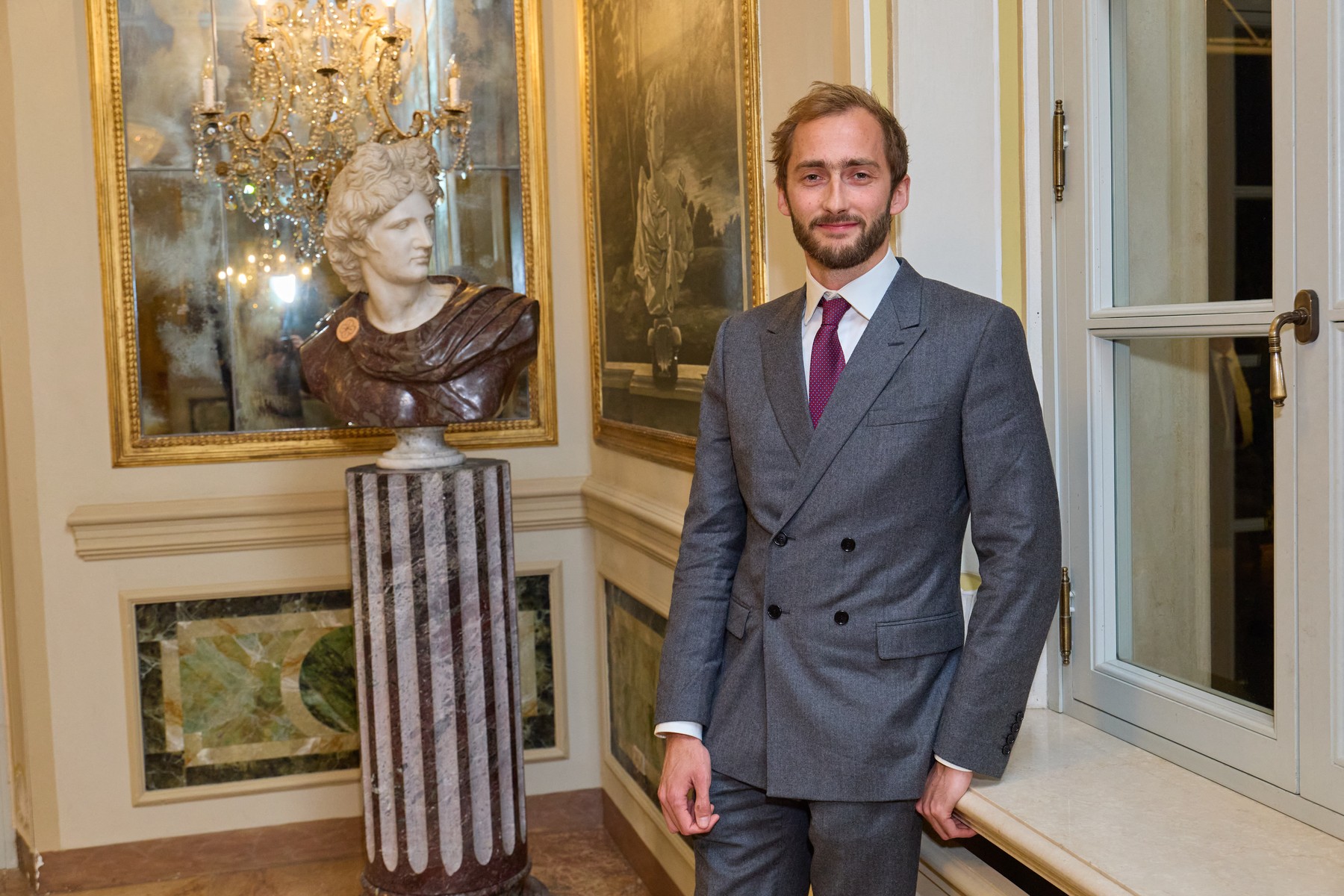
Although in Czech history textbooks the Habsburgs do not have their name etched in gold, in the logic of the heredity of the Czech royal crown, it would still belong to the descendants of this family. The fundamental problem, however, is that the Czech kingdom has not existed for more than 100 years. Similarly, noble titles were abolished with the first Czechoslovak Republic.
However, if someone wanted to return to the centuries-old monarchist tradition, the descendants of the last Czech king and Austrian emperor Charles I. would undoubtedly have the rightful claim. The blood of the first kings from the Přemyslid dynasty still flows in their veins today. The mother of Charles IV. was a Přemyslid, and his granddaughter Elizabeth of Luxembourg married Ferdinand of Habsburg in the 15th century.
The Habsburgs are thus inextricably linked with the Czech kingdom. This connection with medieval ruling dynasties was not the only result of the family's successful marriage politics. Today, its members number around 600 people, and to keep in touch, they have their own private Facebook group where they share information about their lives.

Lost Hundreds of Billions
In addition to the main lineage, today the extended family not only has a Hungarian branch but also, for example, an African branch. They occasionally organize family gatherings, for instance, in 2016, 300 of them met in the Vatican.
After the dissolution of Austria-Hungary, however, they had to face many challenges. In particular, they lost their astronomical wealth. According to the laws of the monarchy, the family was entitled to 1.5% of the state budget. From today's perspective, this expenditure would be comparable to what our country spends on its own army (1.8%), and conversely, it is more than the budget of the Ministry of Culture.
It should be noted that this was 1.5% of the budget of one of the largest European states of its time, and therefore we would have to multiply the comparison with the current domestic budget by about five times (the Czech lands had less than 10 million inhabitants in 1900, the entire empire 51 million). If Austria-Hungary had not dissolved and the law had not changed, which is indeed quite hard to imagine, the ruling family would enjoy a lovely annual salary of half a trillion crowns in today's currency.
From the mentioned funds, however, the Habsburgs saw nothing after World War I. Their assets were confiscated by the Austrian state, and it was the same in Czechoslovakia. Additionally, Austria banned the heir to the Austrian titles from entering its territory. The last Czech king, Charles I, thus lived out his days in Madeira.
He attempted twice to seize the Hungarian crown through a coup, for which Czechoslovakia even declared mobilization, but unsuccessfully. It looked like a return to the helm of Austria in the 1930s when the local fascist regime flirted with the Habsburg return to the head of the state, but Hitler's Anschluss of Austria put an end to these ideas, and what the Habsburgs briefly got back from their assets, the leader took from them again.
Will the Habsburgs Return to the Czech Throne?
Today, some members of the family are suing for the return of properties, as confiscations by the Austrian Nazi regime should, according to the law, be returned to the victims of this oppression.
However, the current heirs to the Czech throne are not suffering from poverty. The son of the last Emperor Charles managed to build a business with television stations and also married the wealthy heiress of a steel empire in Bavaria. In Germany, noble titles still hold, and no one has a better pedigree than a true Habsburg!
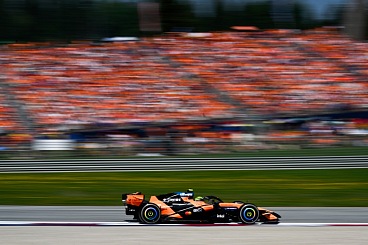
The son of the current head of the family and heir to the Habsburg titles, Ferdinand Zvonimir, can now pursue a career as a racing driver thanks to newly acquired assets. Although he made it to Formula 3, the coveted promotion to the elite 22 drivers of Formula 1 eluded him. Nevertheless, he boasts an extraordinary achievement, having won the famous 24 Hours of Le Mans race in 2021.
What would need to happen for Prague Castle to witness another coronation of a Habsburg ruler? The Constitution would have to be changed, and constitutional laws can only be amended with a two-thirds majority vote in both the Chamber of Deputies and the Senate. Although there are parties in the Czech Republic that align themselves with the state's monarchist tradition, they have never brought a single representative into Parliament. Thus, the St. Wenceslas Crown will not be placed on the heads of the Habsburgs anytime soon, and decisions about opening it to public viewing will continue to be made by the president.