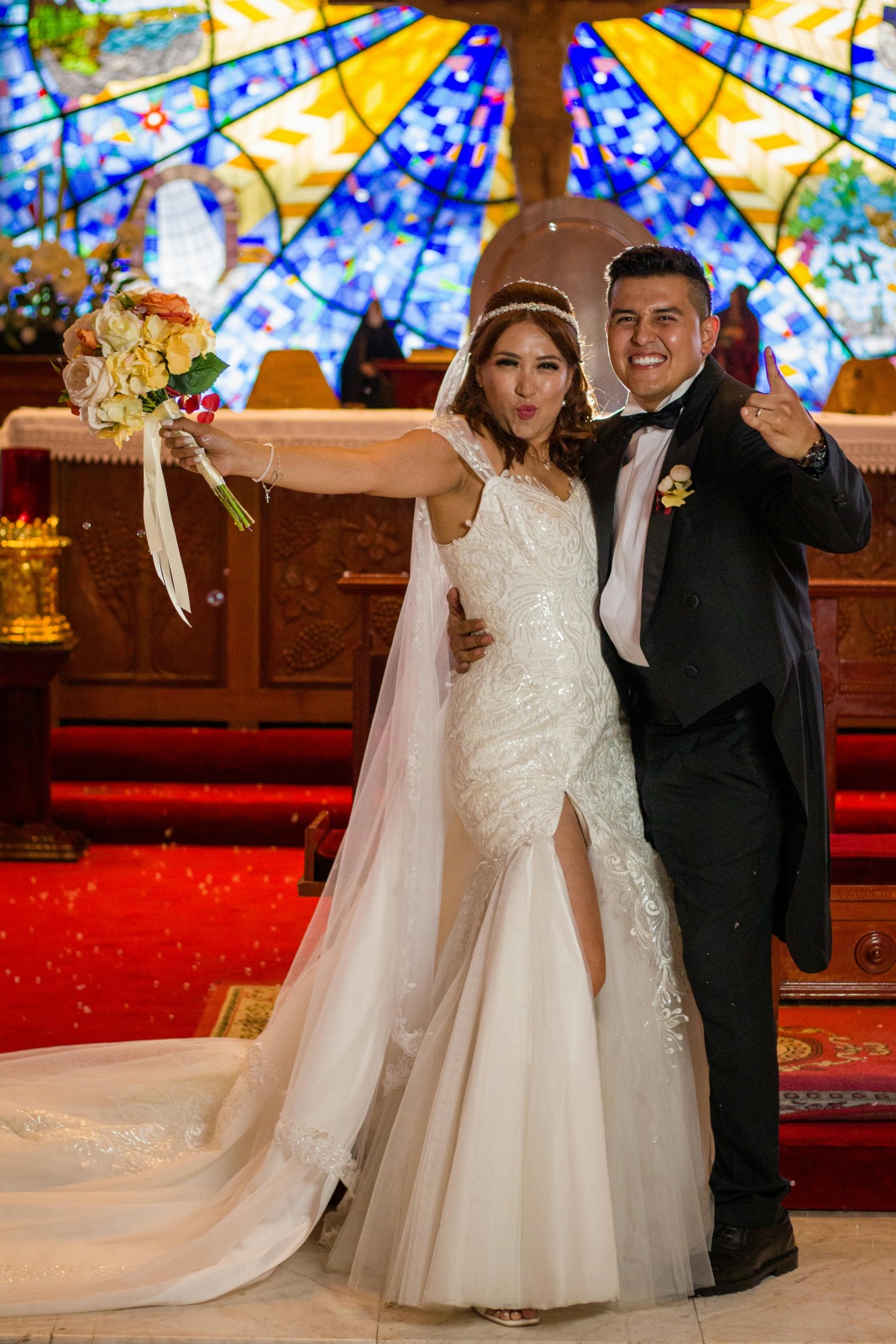
I'm taking Azerbaijanis: Among wedding traditions is also a frantic chase in the style of Fast and Furious. It is supposed to prevent the groom from getting to the bride



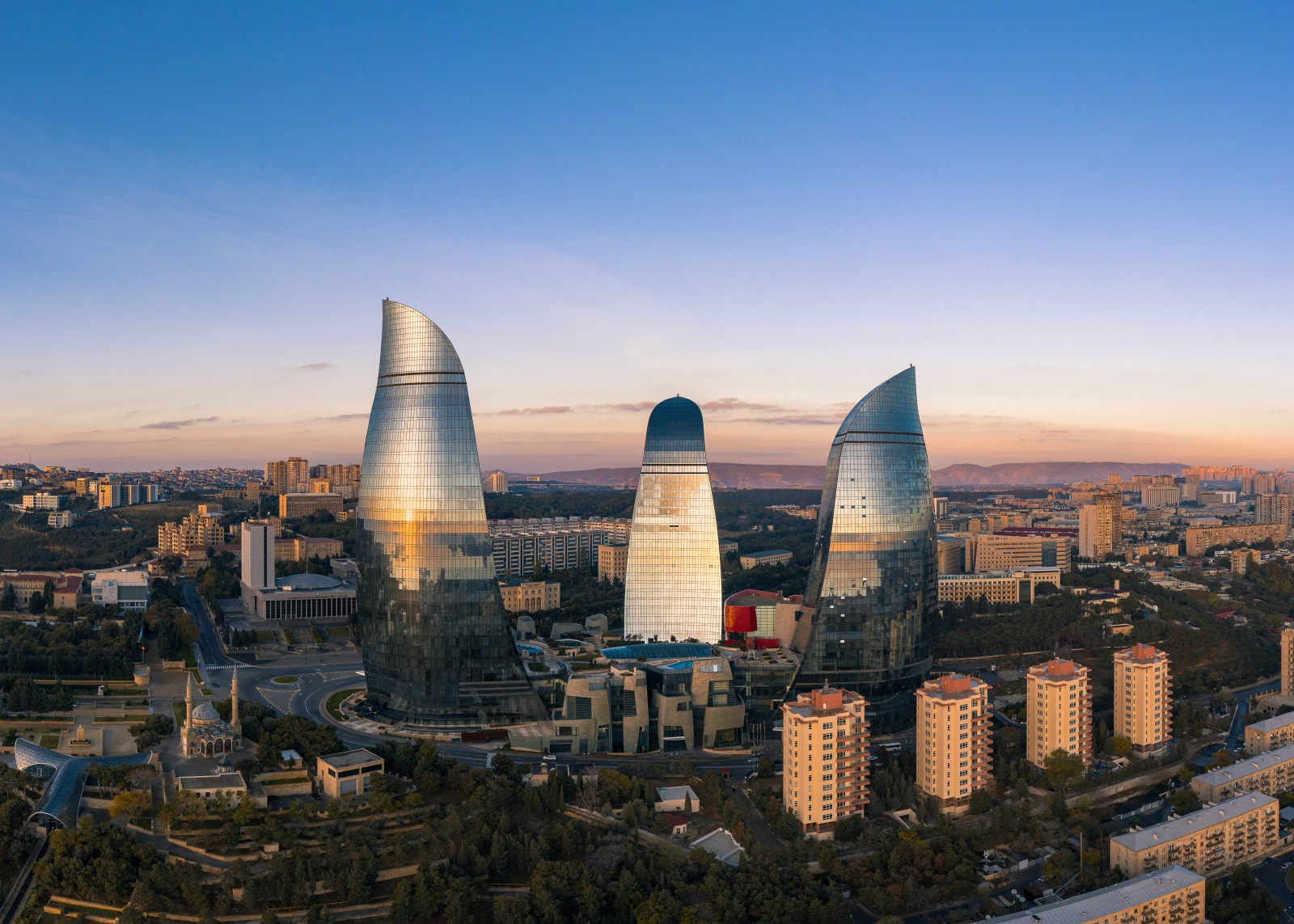
Caucasian Azerbaijan is not among the most visited or well-known destinations in the region, but those who dare to give this country a chance will be rewarded with an experience that will literally take their breath away. The "Land of Fire," as it is often called, hides fascinating contrasts - beneath the majestic, snow-capped peaks of the Caucasus lie villages and towns that seem to be stuck in another century, living at their own, slower pace.

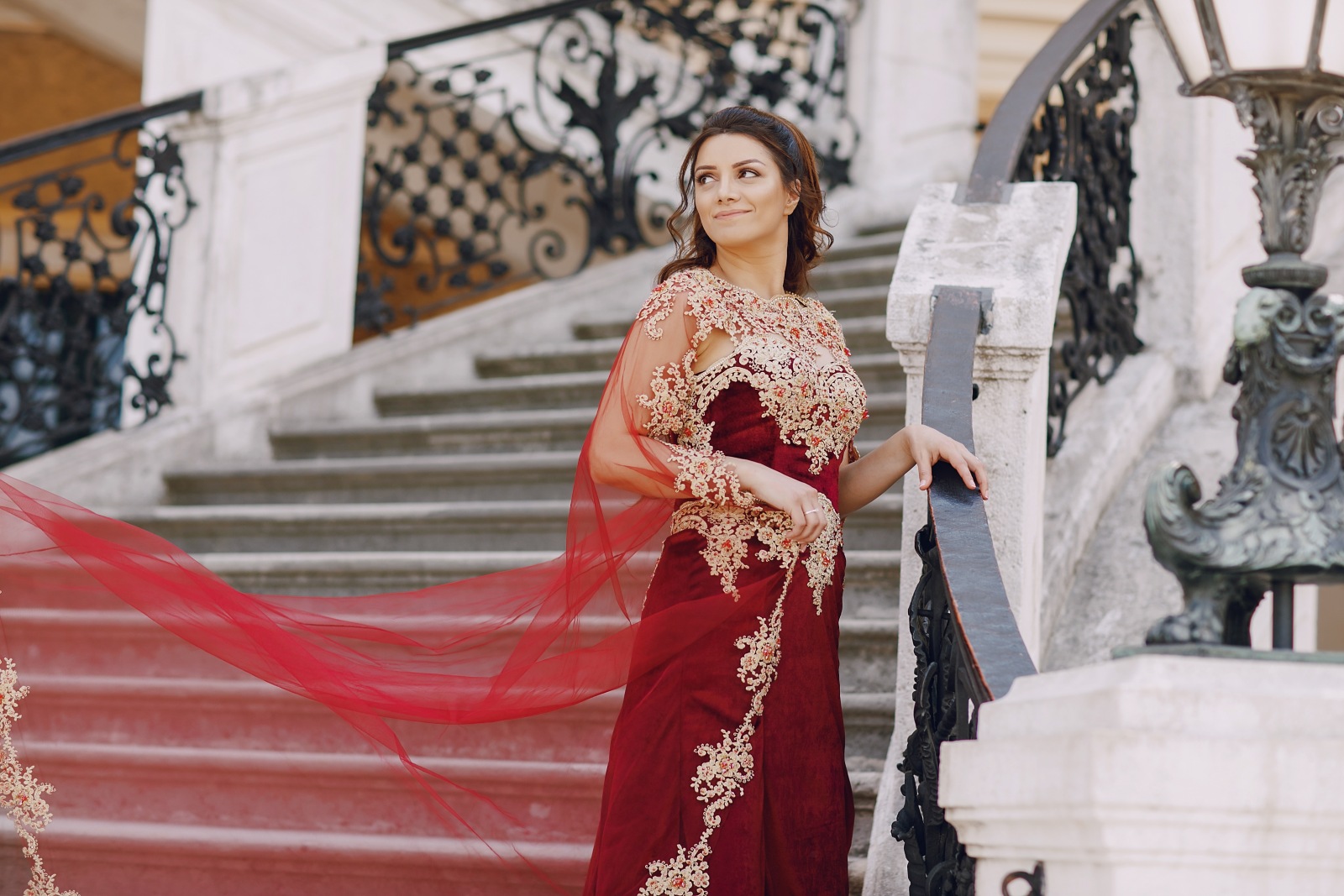



While traveling around the world, one meets many interesting people. Sometimes fate arranges meetings quite unexpectedly. So began the story of a Czech woman who during her journeys met a young Azerbaijani named Ali. His sincere gratitude surprised her and before she knew it, she promised him that one day she would visit his hometown. A few months later, she fulfilled her promise. Her heart was pounding at the Azerbaijani border, because she did not know what awaited her. Ali welcomed her with open arms - but only symbolically, because in a Muslim country, women are not greeted with a handshake. By the way, during their first encounter, he mentioned that they were invited to a wedding that evening. A single call to the groom and two more guests were added to the guest list.
"What should I wear?" – this question probably crosses every woman's mind, but in a Muslim country, it takes on another dimension. Mini dresses were out of the question, but the host had a solution. He took her to a rental shop, where the saleswoman selected a suitable, elegant yet modest dress with a smile. A quick shower, a comb, nail polish – and the adventure could begin.
The wedding story begins long before the "I do"
Everything depends on the bride's parents' consent – only after their blessing can a series of ceremonies leading to the wedding begin. One of the first steps is the tradition of qız görmə – introducing a girl suitable for marriage. The groom's close relatives gather to gather information about the girl, her family and her origins. In Azerbaijan, it has always been believed that marriage should not only be about love, but also about dignity and respect for both families.
Matchmaking (Elçilik)
Once a girl is selected, it's time for elçilik - arranging the marriage. The groom's older relatives, respected people with authority, come to the bride's home to formally ask for her hand. This visit is ceremonial, but also delicate - a refusal would be seen as an insult. In the past, it was customary for the girl's family to symbolically refuse several times, in order to maintain their dignity. Only after, following several visits, did they give their consent. People believed that evil forces lurked on the path of matchmakers, trying to hinder them. Therefore, they pinned metal needles to the door to ward off spirits and ensure the wedding took place peacefully.
Payment (Başlığ)
Once the families reached an agreement, the next step followed, the so-called başlığ, a wedding fee that the groom's family paid to the bride's parents. It was a symbol of respect and confirmation that they could take care of the bride. It was paid with money, livestock or other property. Although this custom was banned during the Soviet era, it remained in the minds of the older generation as a sign of tradition and dignity.
Nişan or Adax (Engagement)
After the marriage contract was concluded, the engagement followed, known as nişan or adax. At that time, the bride's house was full of laughter, music and sweets. The groom came with his family to thank them and symbolically connect with his new relatives.
The bride had a red shawl draped over her shoulders - a sign that she belonged to one man and was beginning a new chapter in her life.
This engagement used to be long - sometimes it lasted several years. Parents used this time to prepare for the wedding and to gather a dowry for their daughter.
Cehiz (dowry)
The dowry - cehiz - was the pride of every family. After the engagement, long and demanding preparations for the household for the young couple began. While the groom's family provided a house, the bride brought everything else - furniture, carpets, dishes, kitchen appliances, even the smallest details that make a home. The richer the equipment, the more talk there was about the generosity of the family. For the parents, it was the last gift with which they sent their daughter into a new life.
Kəbin (religious registration)
A few days before the wedding, a religious ceremony called kəbin was held, during which the mullah recorded the marriage into the marital contract. The document also included the amount of mehr – a monetary guarantee for the woman, which she was to receive in case of divorce or death of the husband. This custom has been preserved in Azerbaijan to this day as a symbol of respect for women.
The wedding has two parts
The wedding itself- the toyu- was a grand event. A few days in advance, the house was decorated, the dowry was brought in, and everything was prepared for the bride's arrival. In some areas, the wedding was divided into two parts - the “girl's” and the “boy’s”. Traditional music was played during the ceremony, dancing was performed, and guests celebrated until late at night. The celebration has a fixed order. Weddings can sometimes be joint events organized by the families of the bride and groom, but often each side organizes its own event, with the qiz toyu (the "girl's wedding") taking place about a week before the oghlan toyu.
The first day, a feast is held at the bride's house and the second day at the groom's house. Although this means double organization, double costs, and double fatigue, no one stops for it. It is a tradition with a profound meaning - it symbolizes the union of two families.
On the first day (qiz toyu), the bride wears colorful dresses, often in shades of red, blue or green - the colors of life, happiness, and abundance. The second day (oghlan toyu) she wears a white dress, which symbolizes a new beginning. Only after this second feast, which is held at the groom's house, are they considered a real married couple in the eyes of the whole community.
The wedding night therefore comes after the day when everything is officially over - when the music quiets down, the guests leave and the newlyweds are left alone. Only then can they relax, knowing that everything went as it should, and that their union has received the approval of their families and society.
Xınayaxdı (Henna night)
When the religious procession went for the bride, a adrenaline-packed car chase began - a symbolic battle for the groom, whom his friends tried to hold back to prevent the bride from taking him away. The streets turned into a racing track full of honking and laughter. Simply put, it was a frenzied chase of friends. This joyful chaos had its message – a friendly rivalry symbolizing the farewell to youth.
The bride was welcomed with music, singing, and bright lights in the bride's house. The bride appeared on the courtyard like an apparition - in white dresses with gold embroidery, with a red ribbon around her waist symbolizing her virginity. Her beauty was quiet, humble, but dignified. The young couple got into the car and the procession set off again – this time as a married couple.
In the groom's house garden, a red carpet was spread out. The groom's mother poured a bowl of sweets over the bride's head - a symbol of a sweet and happy life. From there, everyone moved to the wedding palace. And of course... the "Fast and Furious" style ride continues all the way to the wedding palace.
Ceremony
When we arrived at the wedding venue in the heart of Kazakhstan, the bride and groom were still waiting in the car in front of the entrance. According to tradition, the wedding ceremony won't start until the majority of important guests arrive, which can cause the event to begin an hour after official time - usually around 2:00 pm in the countryside and 6:00 pm in Baku.
Once the number of guests reaches the required level, the lights turn off and piercing music from horns and other traditional instruments sounds. The bride and groom then get out of the car and go to the hall, trying not to stumble over the red carpet or the bride's puffy skirt, as every step they take is captured by a cameraman and broadcast live on big screens in the hall.
Musicians often play in front of the bride's house until the bridegroom takes the bride and enters the wedding hall. At the moment when the couple pass through the doors, usually to applause and sometimes even to the accompaniment of a crowd of sparklers, they are introduced to the central table. Here each of them verbally confirms their consent to the marriage and is formally registered into the city register.
If the couple have already visited the town hall prior to the event, this part of the ceremony is more symbolic and ends with a toast - often with sparkling juice - with unmarried friends. The rings only come into play at this moment. They are brought tied with a red ribbon on a soft velvet pillow. The newlyweds put them on each other's fingers, and thus "connected", they embark on their first marital dance. For a moment attention turns to the groom's mother, who invites the newlyweds to the traditional Avar dances.
When the couple sits down, the main meal begins. Waiters gradually bring hot dishes, mostly meat - cold chicken and sausages, beef goulash, ribs, chicken and lule kebabs and depending on the region also roasted fish.
Guests are not allowed to serve food themselves - if you take something, the waiter will immediately serve it on your plate. They are equally attentive in replenishing drinks so that your glass is always full.
After hours of eating and dancing, the climax of the evening comes: the arrival of popel, a rice pilaf served with a fiery effect. At some weddings, it is brought by a dancer in national costume, at others waiters push a decorated cart to the main table, while guests watch the smooth national dance.
Avar dances are primarily about male dominance. Women dance gently, elegantly circling their wrists and moving around men without sudden hip movements. Men form the core of the dance, their steps and gestures are precisely timed, their bodies firm and confident. The dance takes place without direct contact, so two men or two women can dance – male pairs are most common at weddings and the dance is faster and more dynamic.
The groom stands in the middle of the circle, often being challenged to dance battles, and his energy is palpable, reminiscent of animal mating rituals.
The wedding and dance revolve primarily around him – the bride usually sits on a pedestal, while he constantly dances and alternates hundreds of guests. The whole scene is fascinating and at the same time very lively, with almost ritual energy.
Suddenly the music died down, the lights went out, and a huge wedding cake appeared in front of us, perfectly white and monumental. The sweet idea was immediately tempting, but the reality was different. The newlyweds cut the cake together, but neither tasted it nor served it to the guests – there was no creamy treat or traditional face smearing. However, the cake changed the atmosphere. To the sounds of Azerbaijani music, fountains of fireworks erupted around the young couple and a flurry of balloons descended from the ceiling. The guests smiled and clapped, everyone except the bride. Her big eyes remained lowered, only occasionally she looked carefully at the groom, but it was not flirtatious, rather modest and warm.
The last custom we witnessed was the handing over of flaming bread to the newlyweds - a symbol of abundance and prosperity, to make sure they lack nothing. We also wished them a happy life in spirit and gradually joined the departing guests. It was around one in the morning and the wedding was slowly drawing to a close.
Uzə Çıxdı (End of the bride's modesty and silence)
A few days after the wedding, there was the Uzə Çıxdı ceremony, which ended the period of the bride's modesty and silence. In the past, she was expected to stay in the groom's house for a month after the wedding and not speak to her relatives. After this time, her relatives welcomed her as a new member of the family and brought her gifts. Although many of these traditions have been preserved, today's Azerbaijani weddings look different. Brides wear white dresses, weddings only last one day, and photographing the newlyweds has become a matter of course. The modern style prevails in the cities, but the spirit of tradition has not been lost. Each ceremony, each song, and each gesture preserves a piece of the past - a memory of a time when a wedding was not just a celebration of love, but also a profound symbol of respect, family, and fate.
Muslim tradition and a world where honour qualifies as gold
The groom's grandmother spoke to me with a sparkle in her eyes about the wedding customs of her nation, as if she had returned decades back to a time when the rules of love were different and family honour was the greatest treasure. She spoke softly but proudly, and I could feel that each of her words carried weight - because they came from a life shaped by traditions, not by modern customs.
She explained to me that in the Muslim community with Avar roots, from where her family comes, the concept of "dating" as we know it does not exist. Young people can get to know each other, but their contact is strictly limited. No living together, no sleeping in the same room, or even private meetings in the park or in the forest. If the police were to catch them there, they would risk public humiliation - and for a girl, that would mean the end of any hope for marriage. In this culture, a woman's purity is considered a mark of honor not only for her but for her entire family. Just the slightest shadow of suspicion and her name would be spoken with regret or shame. It doesn't matter whether anything happened between young people - what matters is what society thinks. And according to the locals, as the old grandmother smiles, "the police have eyes everywhere".
However, when the couple finally gets married, everything changes. The world opens up, families meet, and villages come alive with music, singing, and the scent of food that spreads far beyond the yard. Weddings in Azerbaijan and the Caucasus are not small and intimate – they are spectacular, noisy, and full of life. A small wedding here means about three hundred to four hundred guests, which would elsewhere be considered a large social event. But in this culture, this is just the beginning. Typical weddings have six hundred to eight hundred guests and those with more than a thousand people are not the exception. Yes, these numbers are real. Here weddings celebrate not only for the family, but for the entire community.
A wedding feast for six hundred people costs more than ten thousand euros. It sounds incredible, but this amount includes everything - rental of the wedding palace, decorations, music, food and drink. You will find such palaces in almost every bigger city. They are large buildings with fairytale halls, decorated with crystal chandeliers and marble floors, which can accommodate hundreds of people at once.
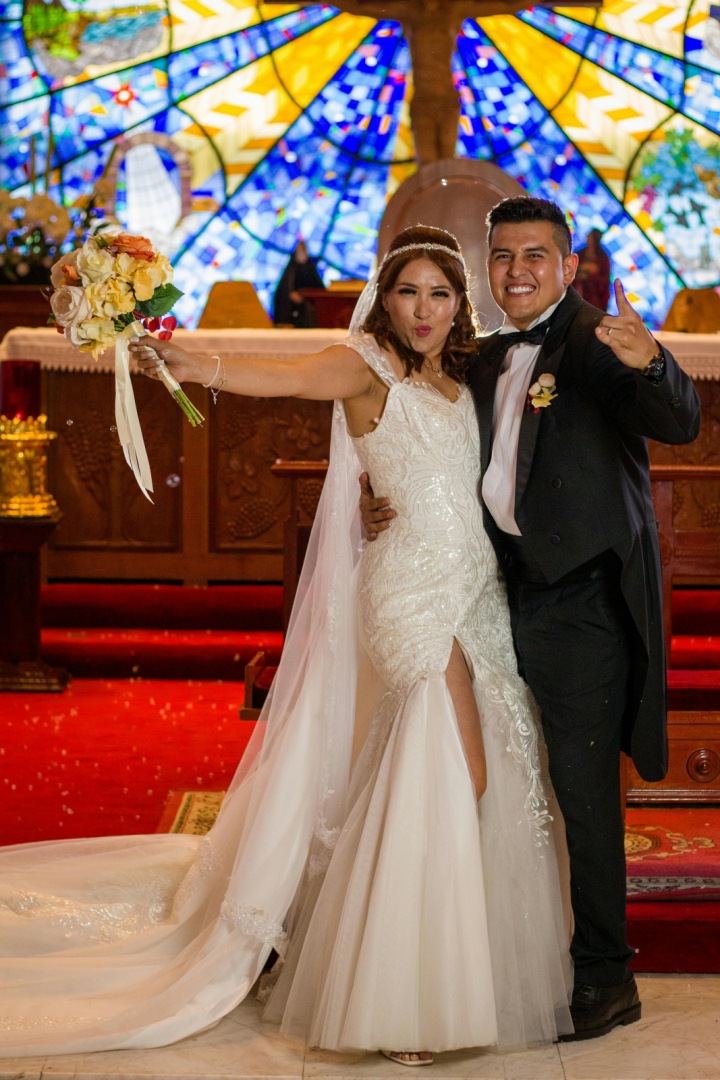
Weddings take place every day - in cities and in villages, in summer and in winter. For locals, it is normal to be invited to several weddings a month. These are moments when generations, families and friends gather. Weddings in Azerbaijan are usually divided into two main categories reflecting the differences between urban and rural areas. In urban areas, celebrations are often held in "shadlik saray", which can be translated as "palace of happiness". These are magnificent rented halls, fully equipped and can comfortably accommodate hundreds of guests. Here, the newlyweds and their families do not have to worry about food preparation or venue organization - everything is professionally taken care of. On the contrary, weddings in rural communities have a completely different character. Families often prepare all the food themselves and spend the entire afternoon cooking traditional delicacies right in the yard. Guests sit at long picnic tables under tents, which provide protection from the sun and wind. Despite simpler conditions, the atmosphere is equally vibrant and magnificent.
After the Wedding
Let's return to life after the wedding. After the wedding, when the last echoes of music in the newlyweds' house subsided and the guests' laughter subsided, a new, calmer rhythm of life started. For Azerbaijanis, marriage is not only a bond between two people, but also a continuation of family traditions handed down from generation to generation - not only in gestures and customs, but also in culture, art and the scent of dishes that fill their home.
In the weeks following the wedding, the bride gradually settles into her new environment. The house, which her family has outfitted with a carefully prepared dowry, has become a place where everyday life is intertwined with the beauty of artisanal craftsmanship and ancient aesthetics. Hand-woven carpets hang on the walls - the pride of the country, artistic works that tell stories of mountains, shepherds, and legends of the Caucasus. These carpets were not only decorative, but also a symbol of family comfort and tradition. Each pattern, each knot carried a piece of history - a memory of the women who sat at their looms for months, weaving threads to the rhythm of quiet songs.
Carpet production has deep roots in Azerbaijan, dating back to the Bronze Age when the first woven patterns appeared as a sign of prosperity and spiritual world. For centuries, carpets from this country have been sought after all over the world. Arab historians from the 7th century mentioned their softness and colors that shone like precious stones. And when Marco Polo visited Azerbaijan in the 13th century, he noted that the country is famous for its fabrics, carpet art, and sabers. Every merchant, diplomat, and traveler took home a piece of Azerbaijan - a hand-woven carpet, which reminded them of the wealth of cities such as Baku and Ganja.
On winter evenings, when young couples sit by the fire, the house is filled with the smell of tea, freshly baked bread, and spiced dishes.
Bread - Chorak
Bread - Chorak - is always present at the table. Each kind has its own story: thin as paper, lavash is used at weddings and banquets, while the dark whole grain bread gara chorak recalls village ovens and the smell of rye.
Stuffed Vegetables
The taste of bread is complemented by dolma - vegetables stuffed with rice, herbs, and minced meat, prepared by women with patience and love, as if they were putting a blessing into each piece for the new family.
Kabab
On a Sunday afternoon, when relatives gather, you can hear the crackling of fire outside and men are preparing kabab - pieces of meat skewered on needles and roasted to a golden color. Many of you know it as kebab today. This tradition has survived centuries, from the times of nomads who roasted their prey in the steppes, to today's wedding feasts, where kabab is served with rice and vegetables.
Dovgha
The refreshing effect of yogurt is known in many cultures, especially in the Middle East, and Azerbaijan is no exception. During the hot summer months, locals enjoy dovgha, a traditional yogurt soup served either chilled or at room temperature. It is made from thick yogurt mixed with chopped cucumber, dill, spring onions, and sometimes a bit of rice. Depending on the region, various herbs and ingredients are added to dovgha, such as coriander, mint, chives, chickpeas or beans, giving it a distinctive taste and local touch.
Tea
Finally, tea was served – the symbol of hospitality, which no other drink equates to. It was served in narrow, pear-shaped glasses with a piece of sugar or honey. For Azerbaijanis, tea was more than a drink – it was an invitation, a conversation, a silent prayer. It is said that this is why people in this country live to a ripe old age – because they know how to slow down, sit back, and enjoy a moment of tranquility.
And so after the wedding, a new life began. The bride learned to cook according to her mother-in-law's recipes, the groom brought fresh fruits and herbs home, and carpets hung on the walls, guarding their home as silent witnesses of happiness. Each day was filled with the fragrance of tea, the color of saffron, and songs that told of love, respect, and the strength of the family – of what it means to have a real marriage in Azerbaijan.
And how did it go with that Czech woman and Ali? A few years later, they also got married and the wedding was exactly the same as the one they were together at before.
Source: author's text, travelistan.sk, azconsulate.sk, visions.az