Milan Fashion Week: Madonna Shocked, Bella Hadid Hid. The Hilton Sisters Were the Stars

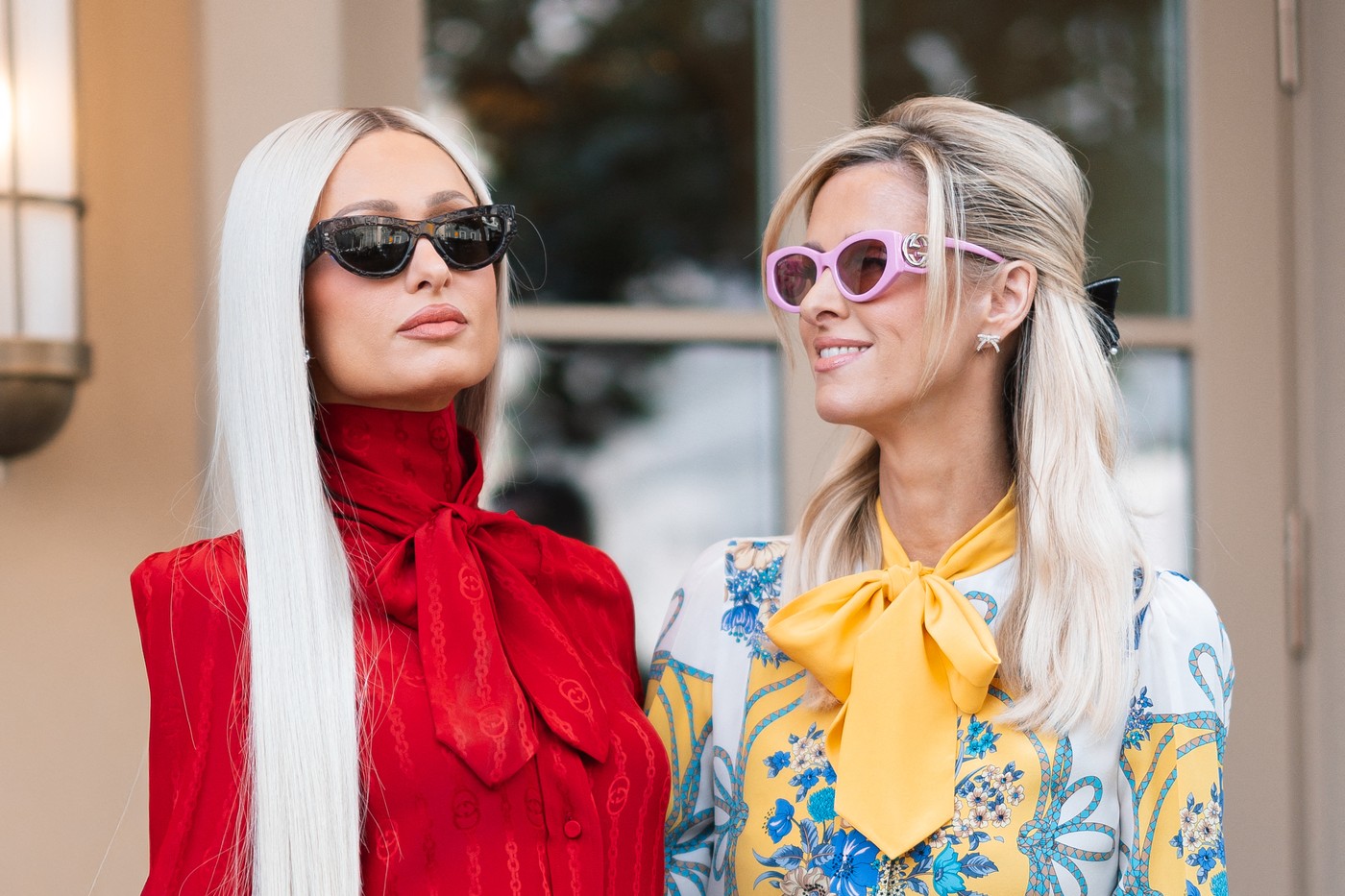
This year's fall and winter season was marked by significant comebacks, new faces leading famous houses, and surprisingly strong influence from celebrities from around the world. The entire event smoothly followed the Winter Olympic Games, which brought a record number of visitors to the Italian metropolis and ensured unprecedented attention to fashion shows. Who emerged as a style icon before journalists, and who preferred to hide behind dark sunglasses?
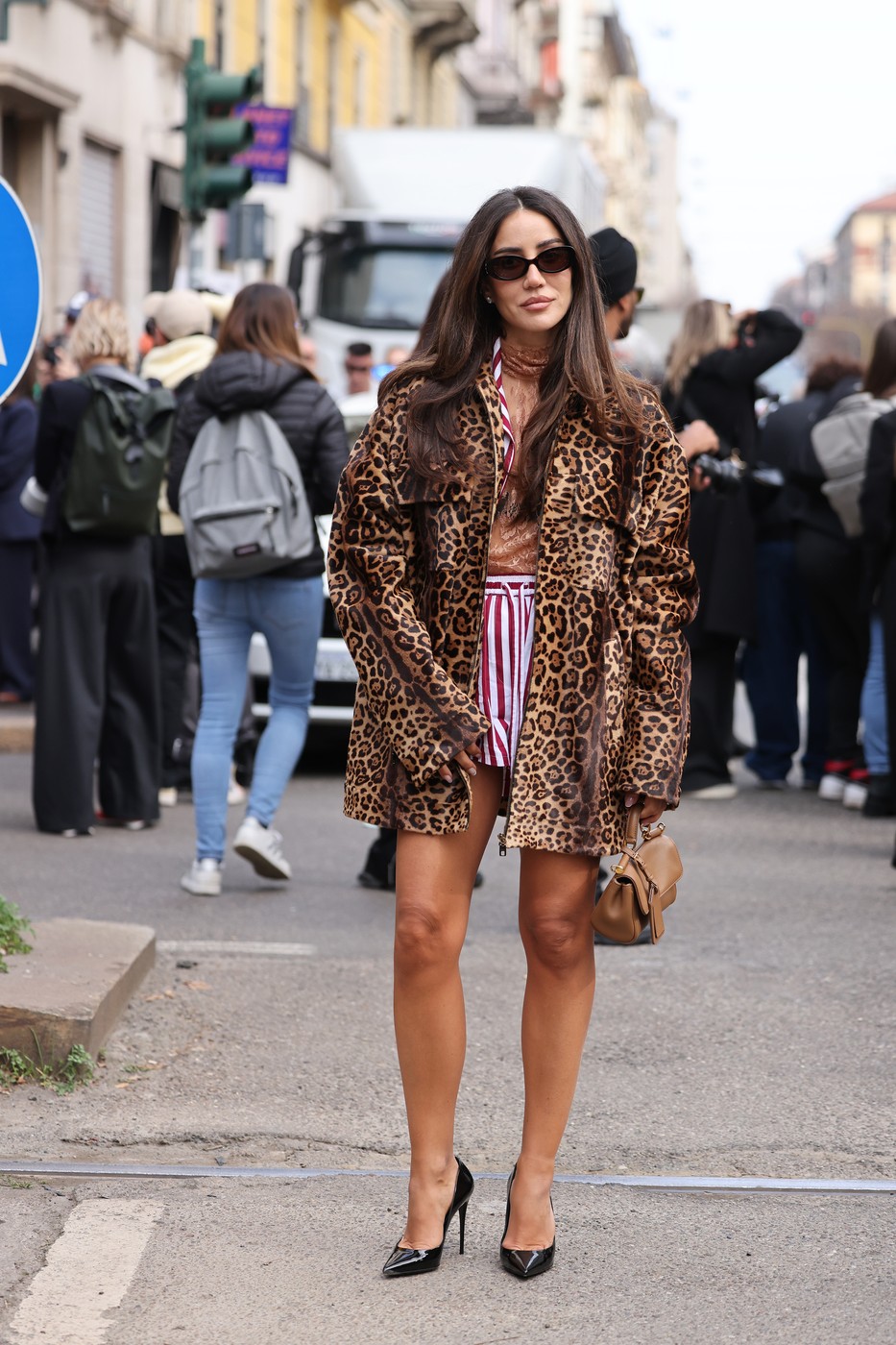
The main star among the brands turned out to be Fendi, where designer Maria Grazia Chiuri made her big debut. Her collection focused on delicate silhouettes and monochrome models, gaining recognition from critics and the professional public alike. Prada also attracted significant attention by choosing an unconventional concept. It sent only fifteen models down the runway, among whom Bella Hadid was not missing. The models returned repeatedly throughout the evening, each time removing a layer of clothing, thus demonstrating the versatility of the new collection.
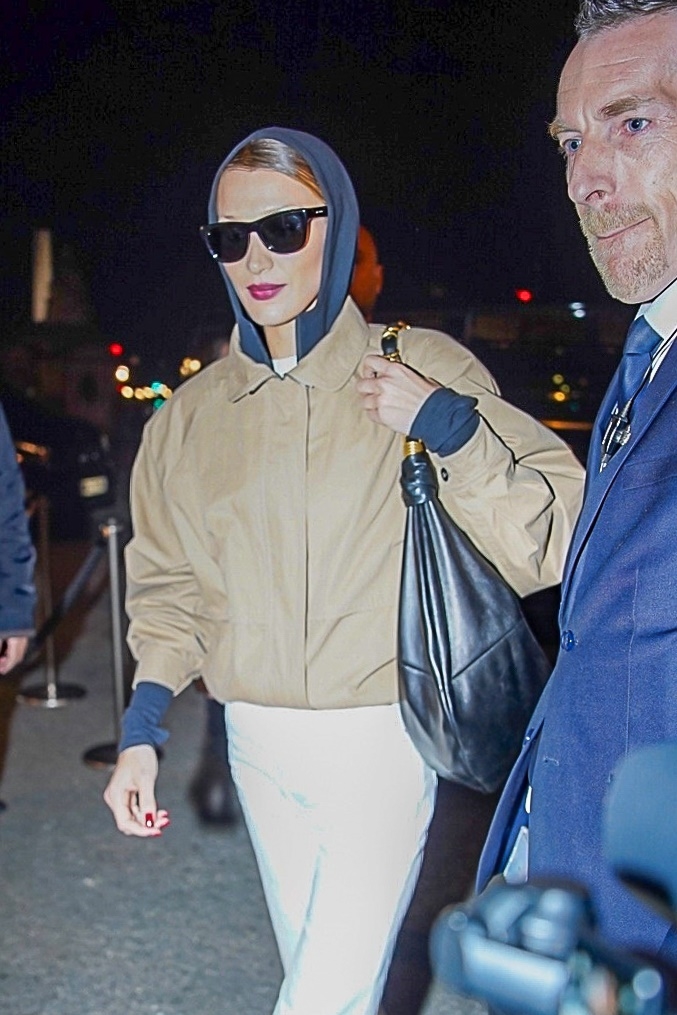
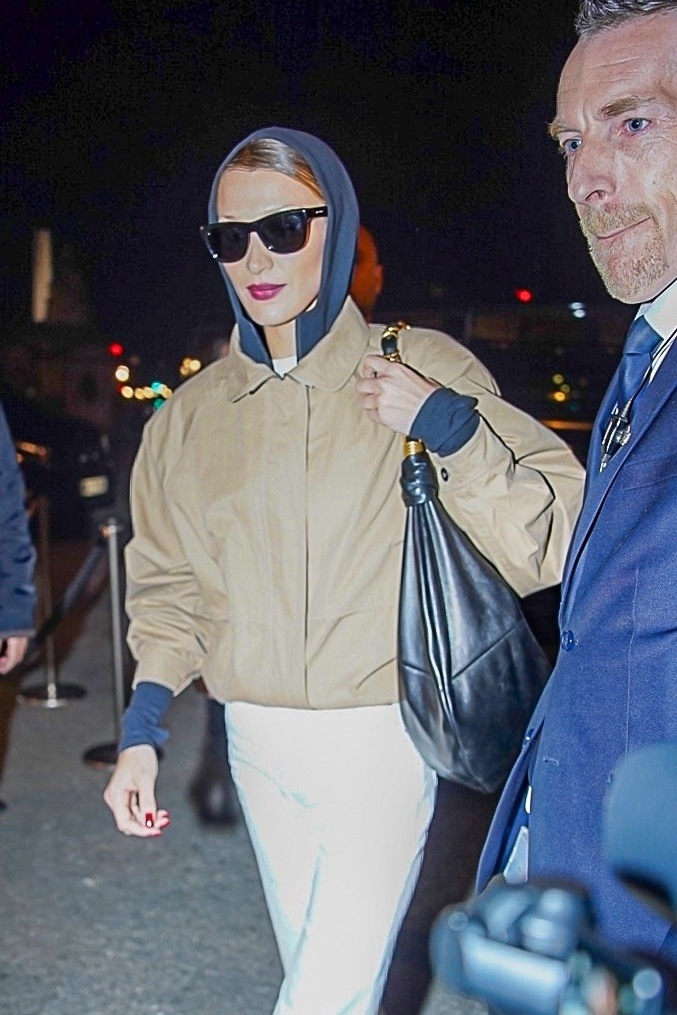
Bella Hadid, off the runway, caught attention with a more casual outfit as she masked herself in a black hoodie and large sunglasses. She didn't pay much attention to her outfit that day and wasn't seeking the attention of the press. Unfortunately for her, she didn't succeed, and there were plenty of photographers around.
Bold Madonna
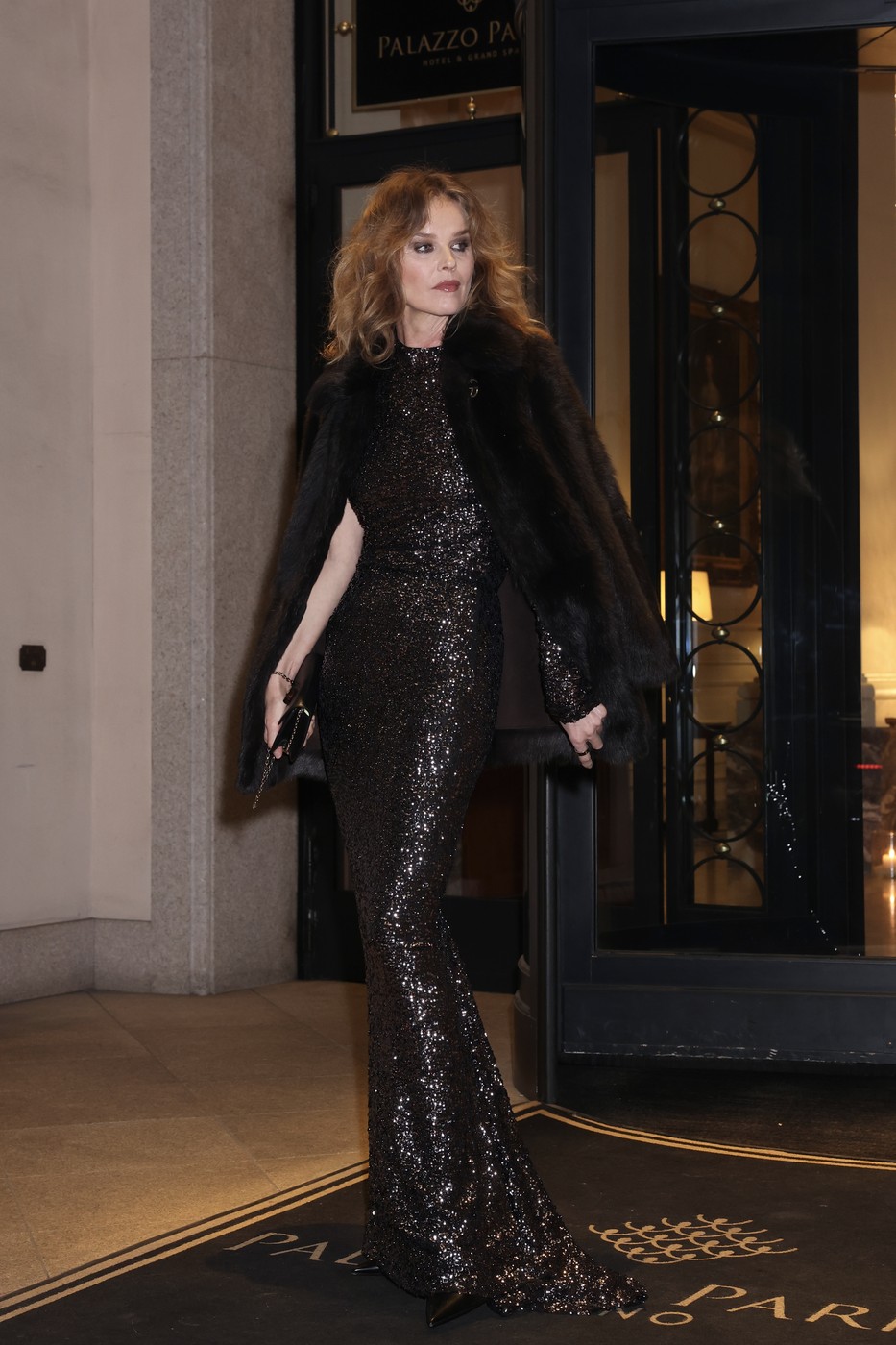
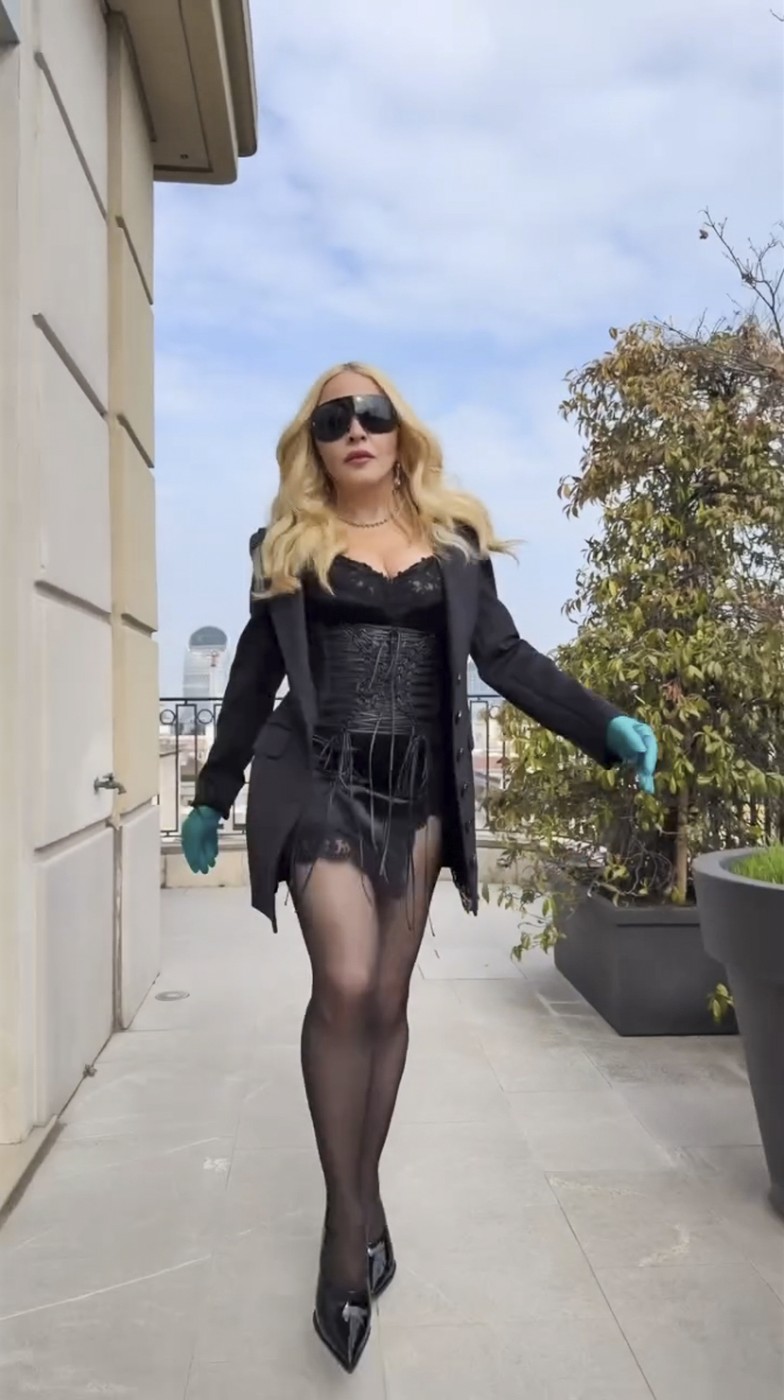
Besides fashion itself, Milan was buzzing with social events and the presence of world icons. A huge stir was caused by the Dolce & Gabbana show, attended by Madonna in a daring black lace outfit with a corset, complemented by blue latex gloves. In contrast to her provocation was Czech supermodel Eva Herzigová, who confirmed her queen status on the catwalks in a precise black model. In the front rows were sisters Paris and Nicky Hilton, who shone at a Gucci brand dinner. Paris opted for provocative black mini dress with a deep neckline and high boots. However, in the streets of Milan, the ladies gambled on bold colors, unafraid to show that spring is already knocking at the door.
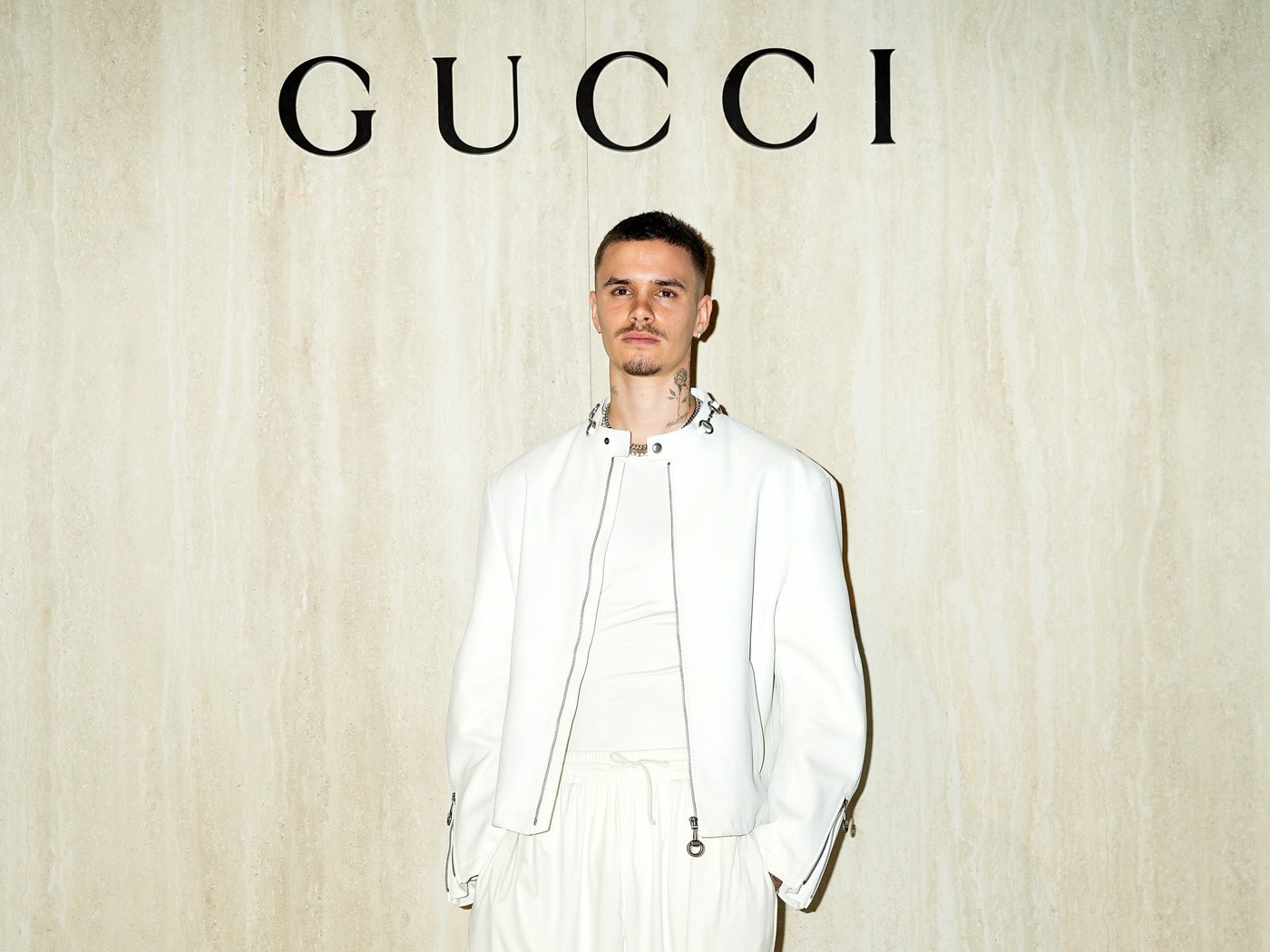
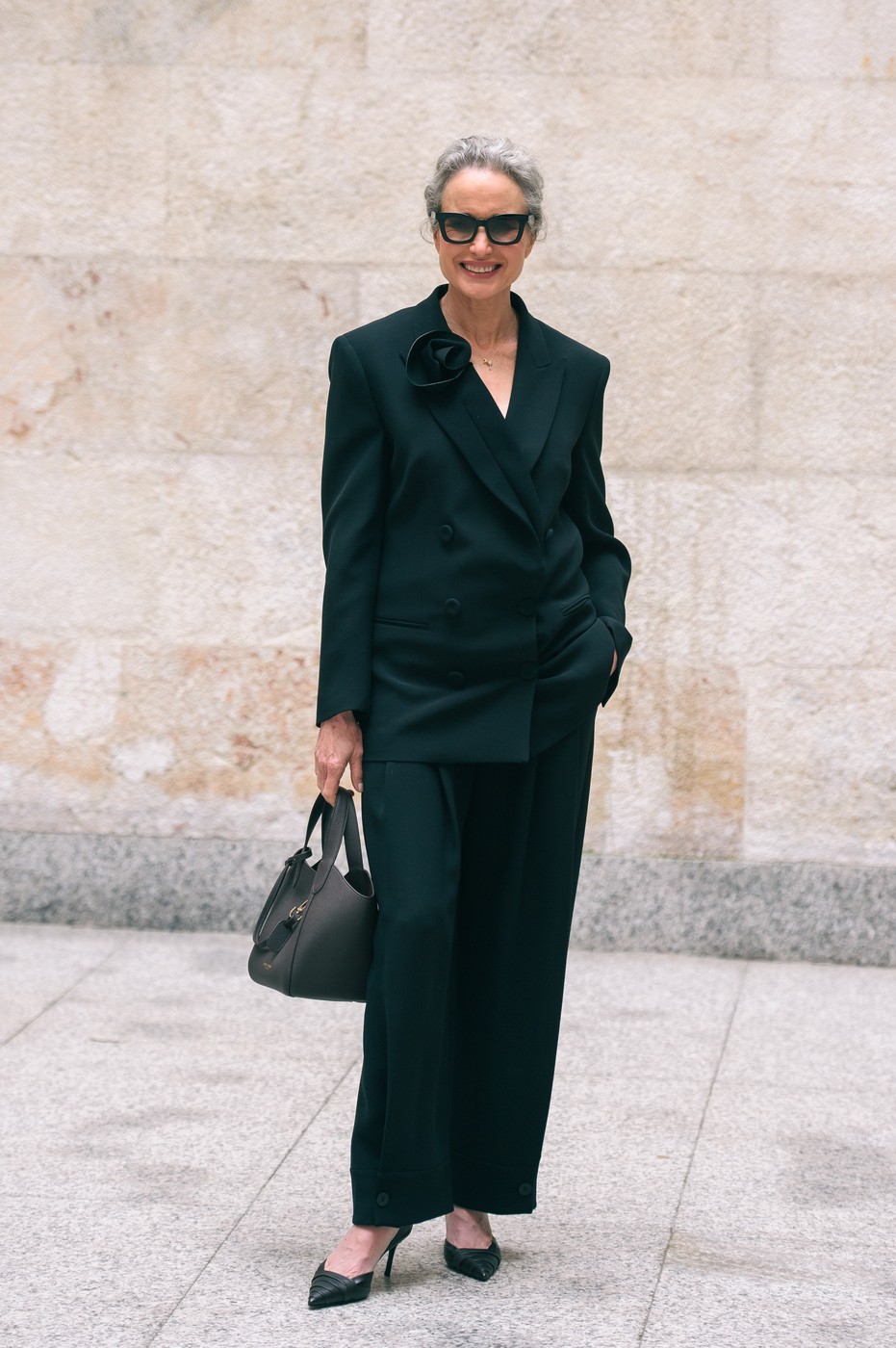
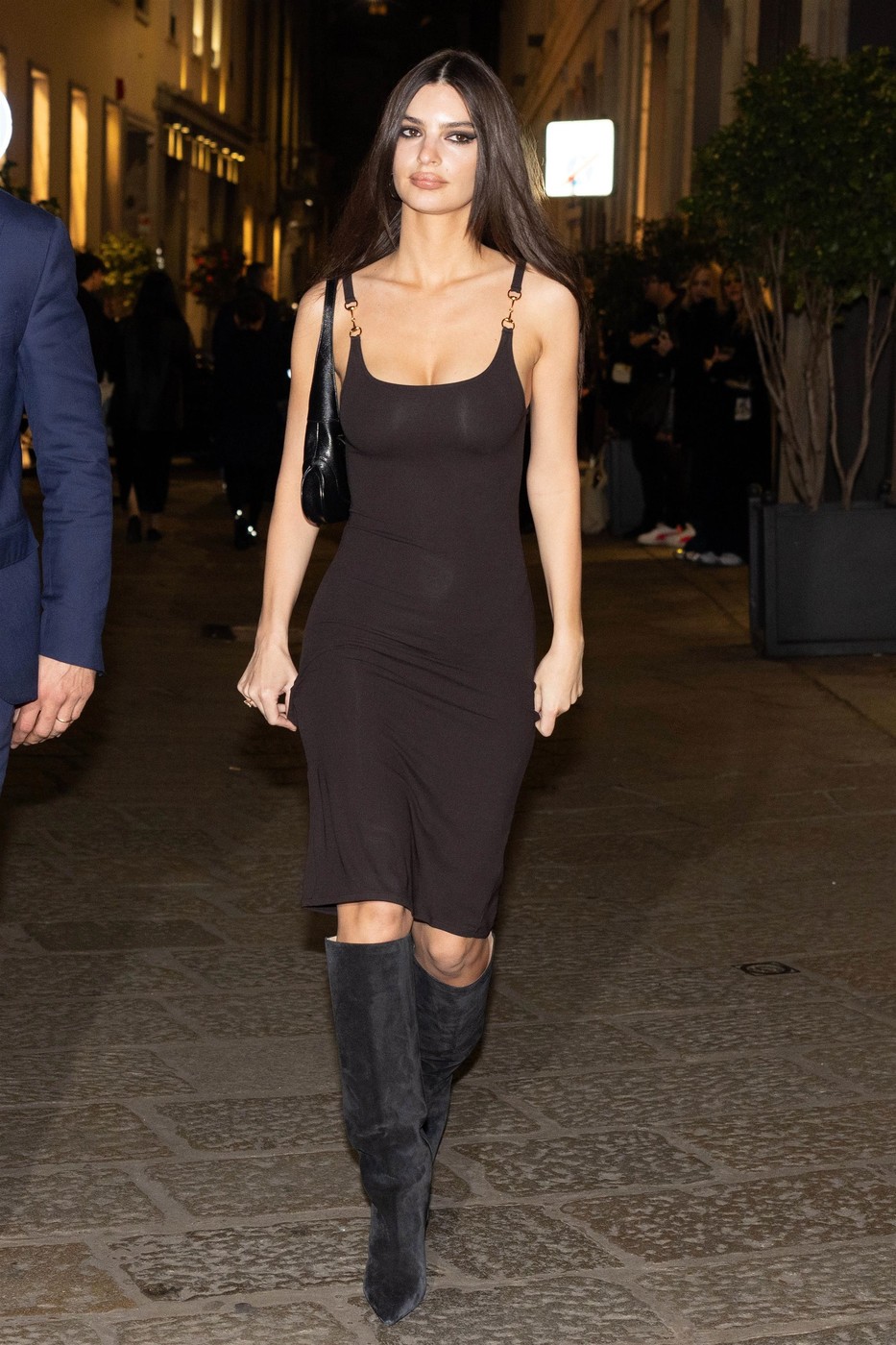
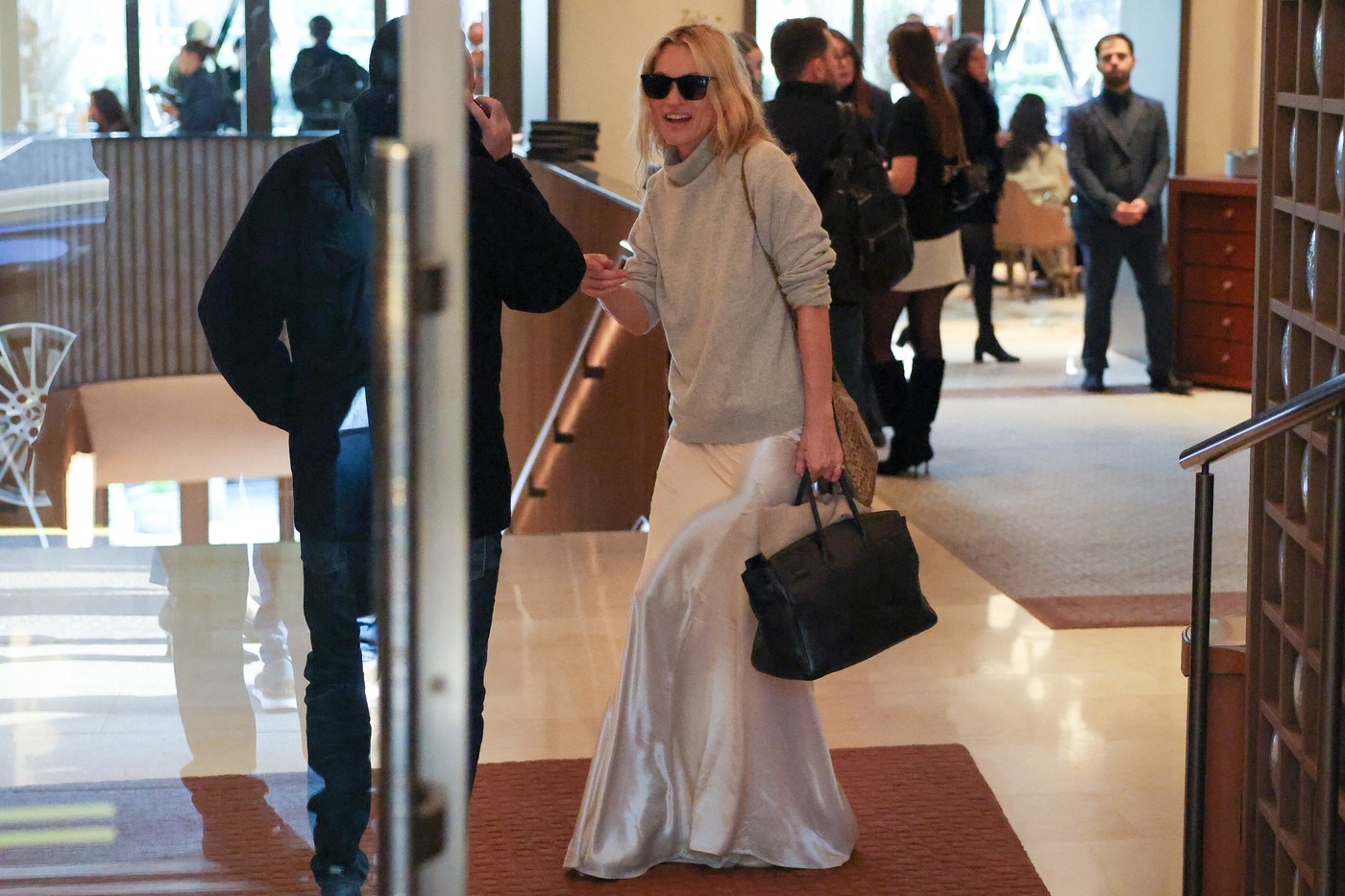
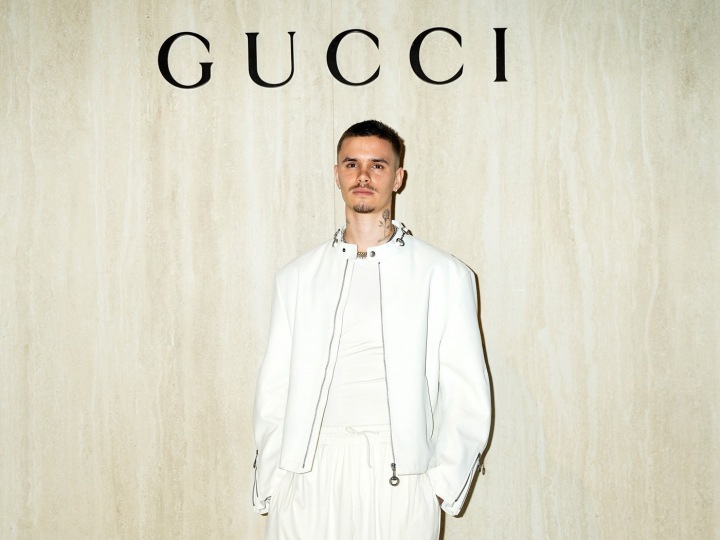
At the shows, Kate Moss was present as well, closing the Gucci show in a long black sequined gown with an open back. On the same evening, Emily Ratajkowski dazzled in a form-fitting black dress with the iconic Horsebit detail and high suede boots. Elegance for more mature women was represented by Andie MacDowell, who attended the Armani show in a dark suit with a three-dimensional rose detail. Among the younger generation, Romeo Beckham attracted attention, appearing in Milan in an elegant leather outfit and not missing the fashion show of the great Gucci.
The success of this year's edition is measured not only by media interest but also by the economic benefits for the city. Milanese hotels and restaurants reported full occupancy during fashion week. Experts agree that the main trends for the coming year will be standout oversized coats and a return to impeccable tailoring in shades of camel brown and slate gray. The entire fashion week concluded with great acclaim and passed the baton to Paris.
How Milan Became the Fashion Capital of the World
Milan Fashion Week is now considered the pinnacle of Italian luxury, but its journey to professional recognition was not easy. It all started in 1958 with the establishment of the National Chamber of Italian Fashion (Camera Nazionale della Moda Italiana). At that time, however, the main fashion events in Italy were not happening in Milan but in Florence. It was there, in the opulent Sala Bianca hall at the Pitti Palace, that the most significant shows were held.
A turning point occurred in the 1970s. Florence became too confining for ambitious designers and was organizationally inadequate for the growing interest of buyers and journalists. Milan had a tremendous advantage over it. It was the industrial and financial center of the country. Designers like Walter Albini, who is considered the father of Italian “prêt-à-porter,” simply ready-to-wear, understood that they could connect creativity with mass production in Milan.
It was in Milan that standalone women's collections were first introduced in 1975, defining the modern era of fashion week. The 1980s then firmly placed the city on the map of the big four alongside Paris, London, and New York. It was a period of the rise of giants like Giorgio Armani, Gianni Versace, and later Miuccia Prada. These creators developed a style that came to be called “Made in Italy.” This meant a combination of top-notch craftsmanship, elegance, and a sexy flair.
Today, Milan fashion shows take place in historical sites, former factories, and modern glass buildings. The event occurs twice a year, and during it, the city literally breathes fashion. Milan maintains its identity primarily through an emphasis on the quality of materials such as leather and silk, and the ability to transform high tailoring into wearable pieces loved by people all over the world.
Source: editorial team, MFW, vogue.co.uk, nssmag.com