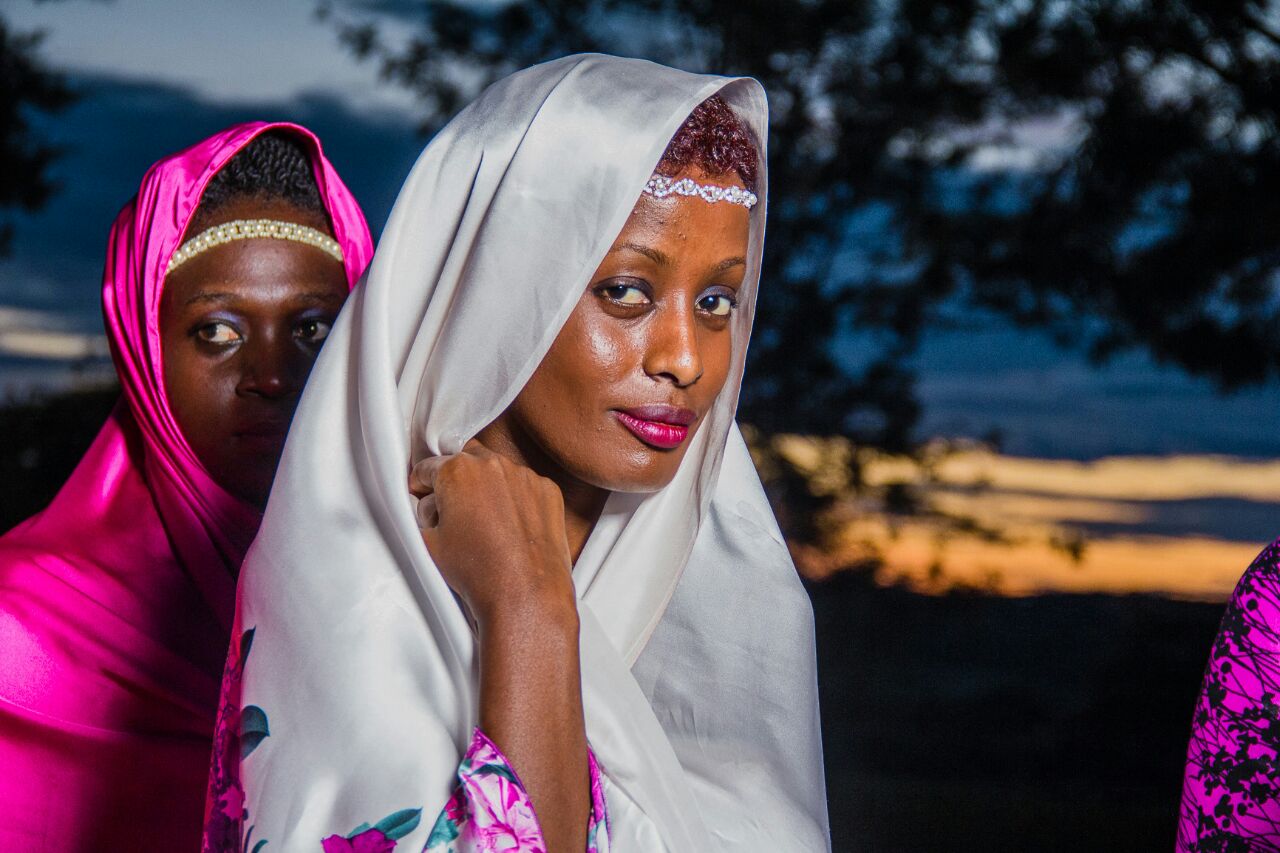
I'm taking a man from the Banjankole tribe: The bride's aunt sleeps with the groom to test his sexual abilities


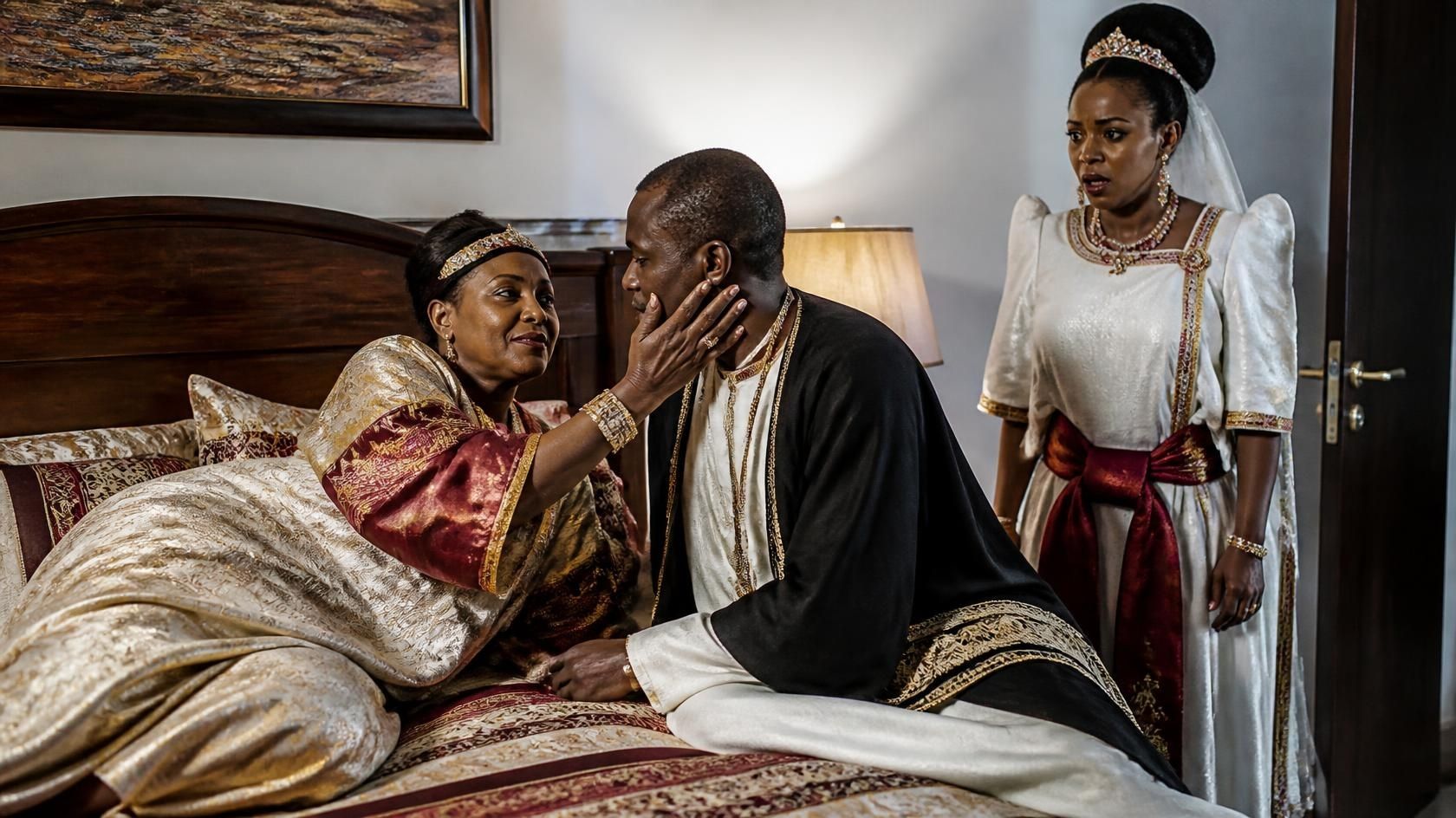
If you were to marry a man from this tribe, more than just an ordinary wedding would await you. In reality, it's a complex ritual where the main role is played not only by the bride and groom, but also by the family – and especially one very important person: the bride's aunt.


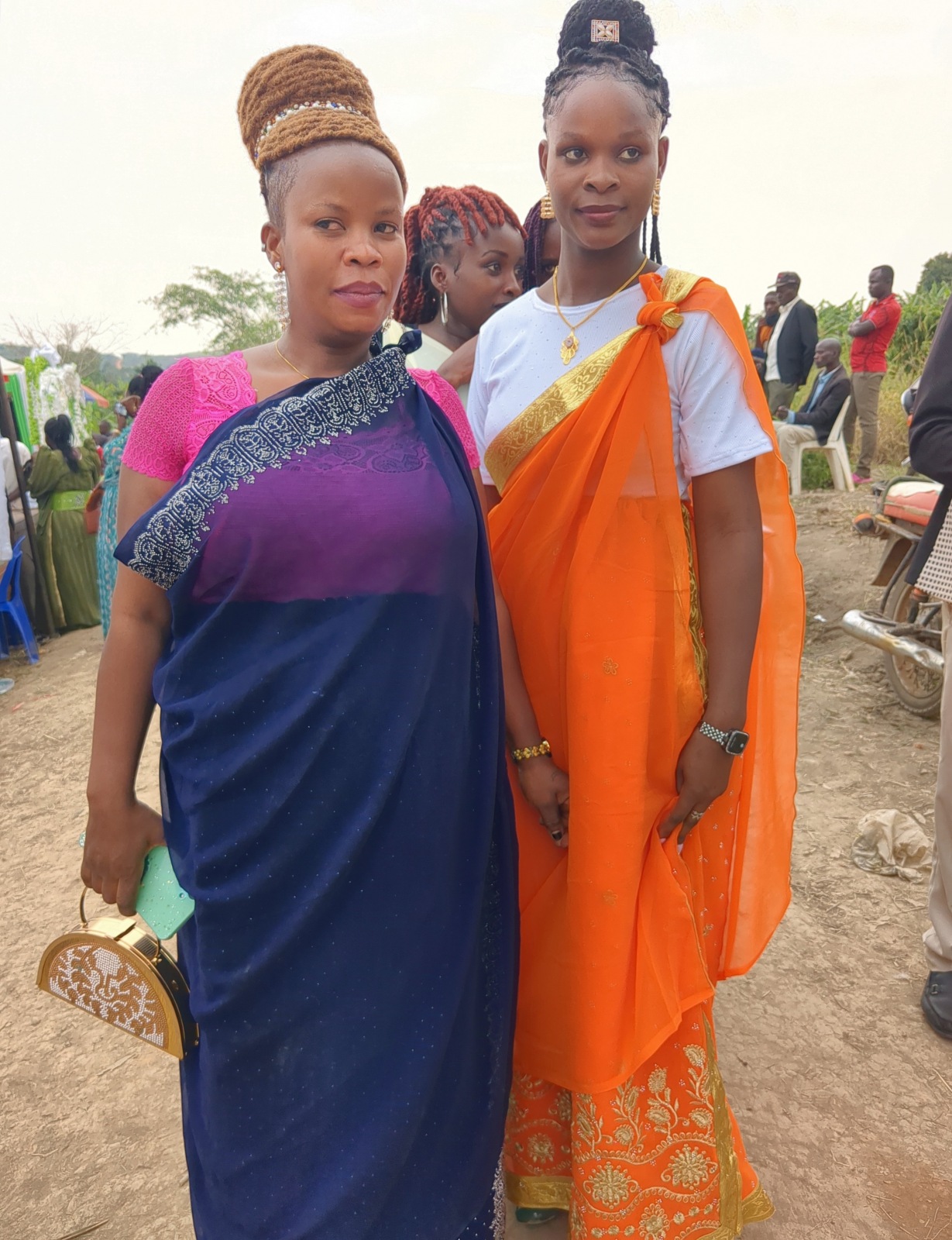
Who are the Banyankole and why are they exceptional
The Banyankole are a traditional ethnic tribe living in the area of the former kingdom of Ankole in Uganda. Their society is historically divided into two groups – the pastoral Bahima and the agricultural Bairu. Their functioning and social organization is described, for example, by the portal twocents.space, according to which family plays a key role in this community and marriage is considered one of the most important life milestones.
Africa as a continent is extraordinarily diverse and includes thousands of different ethnic groups, from the Zulus, through the Xhosa, Himba, to the Igbo, Hausa or Yoruba. It is within this wide spectrum of cultures that the Banyankole stand out with their specific wedding customs and emphasis on family, honor and reproduction. For their community, marriage is not only a personal decision, but also a matter of prestige, continuity of lineage and stability of the entire society.
Wedding as an agreement between families
In the traditional culture of Banyankole, marriage is preceded by an agreement between families. The groom's father plays a key role; it is he who searches for a suitable bride for his son and arranges the payment of the so-called "bride price". As stated on the portal africhroyale.com, the bride price consists primarily of cattle, goats, or vessels of beer, and its amount depends on the family's wealth.

Only after paying this "price" do the actual wedding preparations begin. On the day of the ceremony, a large feast takes place at the bride's house, often accompanied by the slaughter of a bull as a symbol of abundance and celebration. Simultaneously, a celebration also takes place at the groom's house, where space is prepared for the consummation of the marriage. According to the portal lawandsocietymagazine.com, this is a significant social event in which entire families and the community participate. But before the couple officially becomes husband and wife, they must pass one crucial test.
When the Aunt Tests the Groom
The most well-known and simultaneously most debated tradition of the Banyankole is the role of the bride's aunt, known as Ssenga. This woman plays a crucial role in a girl's life from childhood. As described by the portal nationaldailyng.com, from approximately the age of eight or nine, she takes responsibility for her upbringing and teaches her everything about marriage, household, and partnership life. It is this aunt who plays a key role just before the wedding. In the traditional concept, it is not enough for two people to decide on marriage; they must be "verified" as suitable partners. This process includes two tests that are extremely important to the community and that reflect the values of society: the bride's purity and the groom's ability to produce offspring.
The first step is verification of the bride's virginity. Virginity is considered an absolute standard in this culture and proof of morality and readiness for marriage. As various African media report, for example guardian.ng, in the past its violation could lead to serious consequences including exclusion from society.
The second step, however, is the one that causes the greatest stir even outside Africa. According to multiple sources, for example portals maravipost.com or dnbstories.com, the bride's aunt had the obligation to personally test the groom's sexual ability through direct intimate contact. In practice, this meant that she could have sexual intercourse with him before the actual wedding to ensure that he was capable of producing offspring and fulfilling married life.
At the same time, however, it is not just a "test". According to these sources, the aunt was also supposed to gain information about his preferences, behavior, and intimate habits during this act. She would then pass this on to her niece as specific advice, so she could satisfy her husband and ensure a harmonious marriage. This aspect points to the fact that sexuality in this culture is not taboo, but a practical part of preparation for married life.
Some sources also mention milder forms of this tradition. As the portal radio47.fm writes, in certain cases the aunt does not have to have direct intimate contact with the groom, but only supervises the couple's first night – she may even listen to or watch it to confirm that the marriage has been successfully consummated.

Although this tradition may seem shocking, in the context of Banyankole culture it has its justification. The society is strongly family and offspring-oriented, with infertility or sexual incompatibility potentially leading to the breakdown of a marriage. According to the portal twocents.space, it is a way to minimize the risk of unsuccessful unions before they are even formed.
Beauty Has Different Rules
Also interesting are the preparations of girls for marriage, which begin in childhood. As stated on the portal africhroyale.com, from approximately the age of eight to nine years old, girls are guided to acquire all the necessary skills for future married life. At the same time, there was also a custom of "fattening" girls. In Banyankole culture, a fuller figure was considered a symbol of beauty, health and prosperity. Girls therefore received abundant food such as milk, meat or millet ... to gain weight and be more attractive to potential suitors.
Life After Marriage
After marriage, a woman's life in the Banyankole tribe changes significantly. She is expected to quickly integrate into her husband's household and fulfill traditional duties - taking care of the home, preparing food, but above all ensuring the continuation of the lineage. The birth of children, especially sons, is extremely important in this culture and significantly influences the woman's position in the family. As various sources state, early motherhood was perceived as proof of a successful marriage and relationship stability.
The man, on the other hand, holds the position of head of the family. His task is to provide sustenance, oversee the household's operation, and represent the family externally. According to the portal lawandsocietymagazine.com, he has the deciding word in traditional communities and respect for his authority is key.
The Significance of Cattle and Wealth
One of the most interesting characteristics of Banyankole life is their strong connection with cattle, especially with the renowned Ankole breed with long horns. Cows are not just a source of sustenance, but also a symbol of wealth, status, and social standing. The number of cattle often determined a family's position in the community and its influence.

Milk plays an important role in everyday life as well, it is drunk fresh, fermented and is also used in various rituals. According to africhroyale.com, it is a fundamental part of the diet and cultural identity.
Intimacy and married life
Even after the wedding, the person of the aunt - Ssenga - plays an important role. She remains a kind of "advisor" for the young woman and helps her solve problems in marriage, including intimate life. As the portal nationaldailyng.com writes, her role was to pass on experience and ensure that the marriage functioned physically as well.
The woman is guided to be active in the relationship and able to satisfy her husband, which is considered an important factor in marital stability. Sexuality in this culture is a practical part of life, not a taboo topic.
Polygamy and Family Relationships
In the past, polygamy was not uncommon in the Banyankole tribe either. Wealthier men could afford multiple wives, with each having her place and duties in the household. Polygamy was closely linked to wealth and social status.
Such a system was also practical; more women meant more labor force for caring for livestock or land.
Tradition today: surviving or disappearing?
Although this custom is often written about, today's reality is more complex. Modernization, education, and the influence of globalization have caused many of these practices to recede or transform into less radical forms.
However, the role of Aunt Ssenga remains preserved. Today she is perceived more as a mentor, advisor, and guide for young women on the threshold of marriage, rather than as a direct participant in intimate rituals, which is also confirmed by the portal radio47.fm.
Love versus tradition
The story of a wedding in the Banyankole tribe shows how vastly different ideas about marriage can be across the world. What is unimaginable for some is a natural part of cultural identity for others.
So if you were to marry a man from this tribe, it wouldn't just be about the union of two people, but about entering a world where family, tradition and community carry the same weight as love itself. And where, until recently, it was believed that the success of a marriage was also determined by the experience of one woman who stands in the background of the entire ceremony - the bride's aunt.
Source: original text, twocents.space, africhroyale.com, lawandsocietymagazine.com, nationaldailyng.com, guardian.ng, maravipost.com, dnbstories.com, radio47.fm