I'm Taking a Masai as My Husband: A Harsh Ritual Awaits the Bride, Her Father Will Spit in Her Face


Imagine that instead of a white dress, wedding hall and classic reception, what awaits you is the African savanna, a herd of cattle and a man in red clothing who belongs to one of the most famous tribes in Africa. A wedding with a Maasai can look completely different from what we're used to. From unusual bride preparations through symbolic blessings with milk to moving in with the husband's family. What would life be like for a woman who chose a Maasai as her husband?
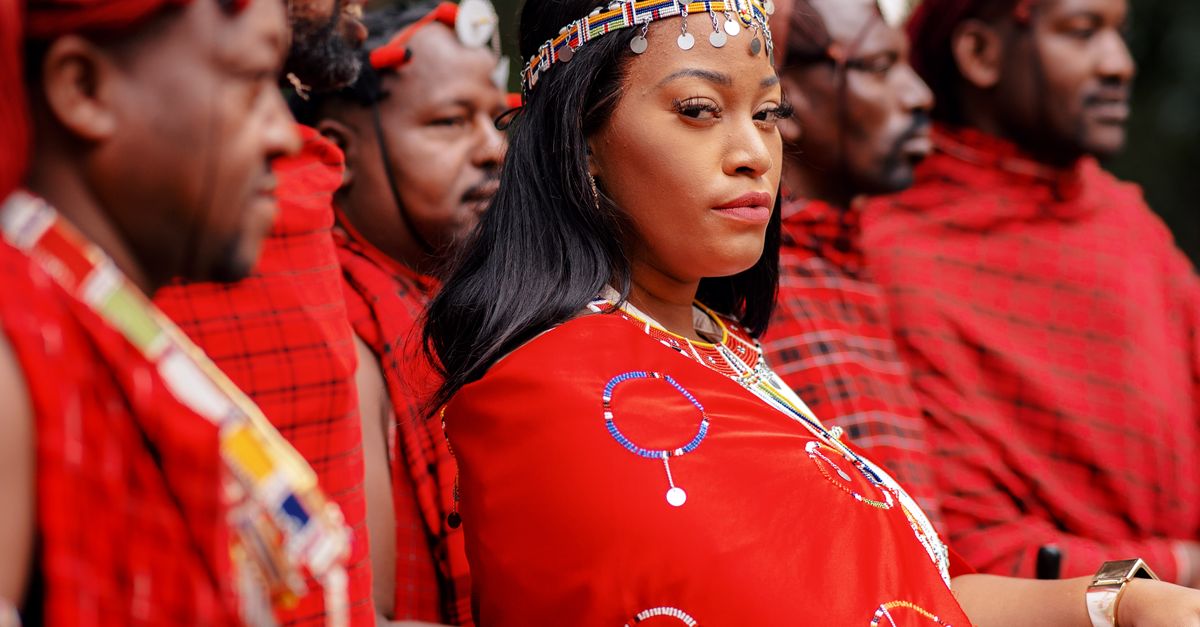
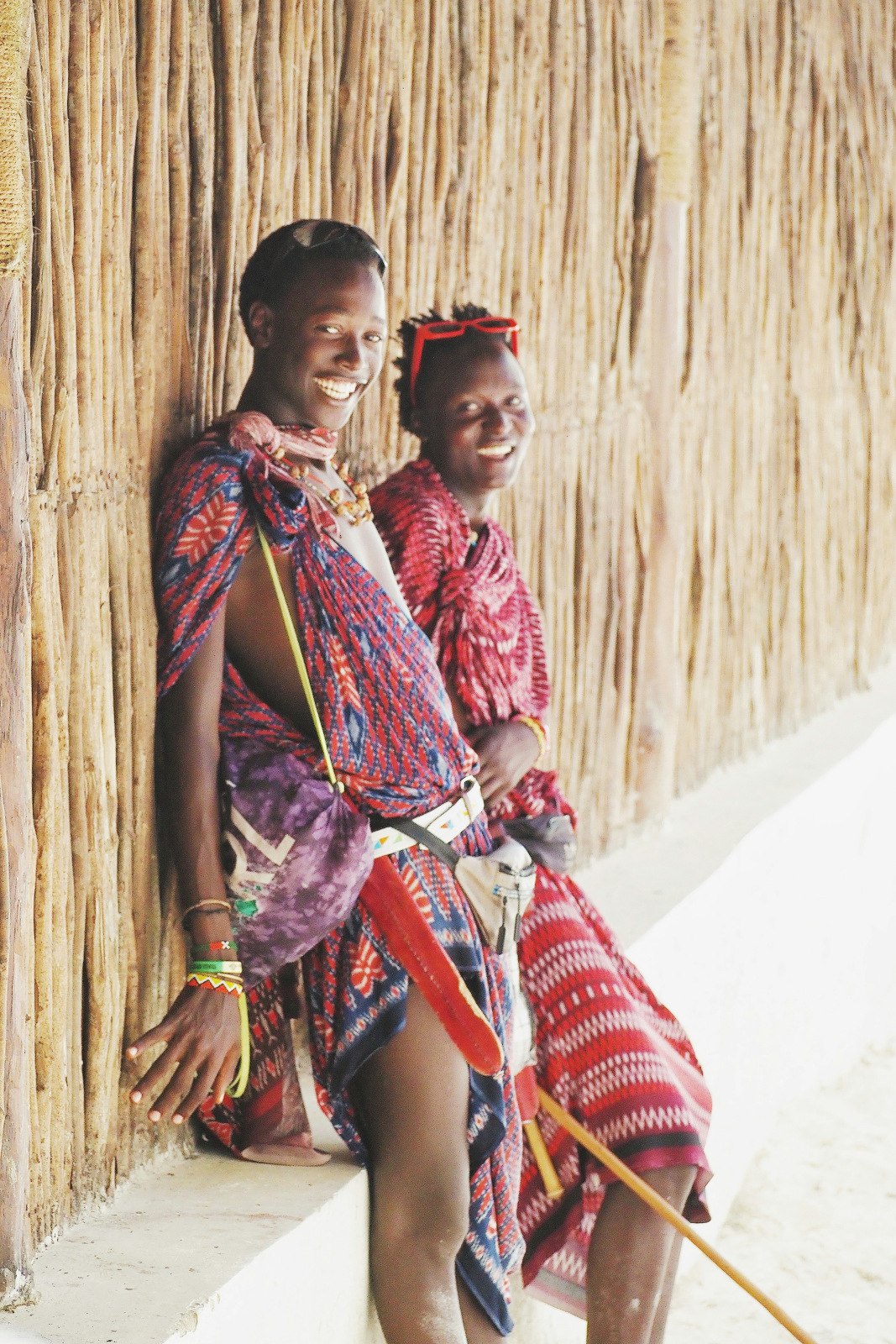
When we imagine a wedding, most of us see white dresses, wedding rings, a romantic ceremony and an evening celebration. However, in some parts of East Africa, preparations for the big day would take on a completely different spirit. If you decided to say yes to a man from the Maasai ethnic group, you would have to prepare for traditions that might surprise you more than the journey to Africa itself. The Maasai live primarily in Kenya and Tanzania. They are known for their red garments, distinctive beaded jewelry, pastoral way of life and strong relationship with cattle. For them, cattle are much more than just livestock. They represent wealth, social status, but also an important part of family life.
As the National Geographic portal explains, cattle hold extraordinary value in traditional Maasai society. They are also used in wedding arrangements, where the groom's family presents animals to the bride and her relatives as a wedding gift.
First, family consent must be obtained. And cattle come into play!
Imagine you have met your chosen one. His red clothing, striking beaded ornaments, and confident demeanor have captivated you so much that you have decided to stay with him. However, in the traditional Maasai environment, a wedding doesn't concern just two people in love. Their families also play an important role. In the past, parents and elder members of the community were significantly involved in marriage arrangements. The man's family negotiated with the future bride's family, and part of the agreement was the so-called bride price, a wedding gift presented to the bride's family. It often took the form of cows, goats, or sheep. This wasn't just an ordinary transaction. The presentation of animals was meant to strengthen relationships between the two families and create a new social bond. The larger the herd, the greater the wealth the family traditionally represented.

So if you were expecting that your future husband would come to your father with a bouquet of roses and a bottle of champagne, in the traditional Maasai environment you would be in for a completely different surprise. The main topic of discussion would be cows and other livestock. However, it must be emphasized that such customs are currently changing. Many Maasai families live a modern lifestyle and adapt traditional wedding arrangements to the present day.
Day D: The Mother of the Bride Shaves Her Head
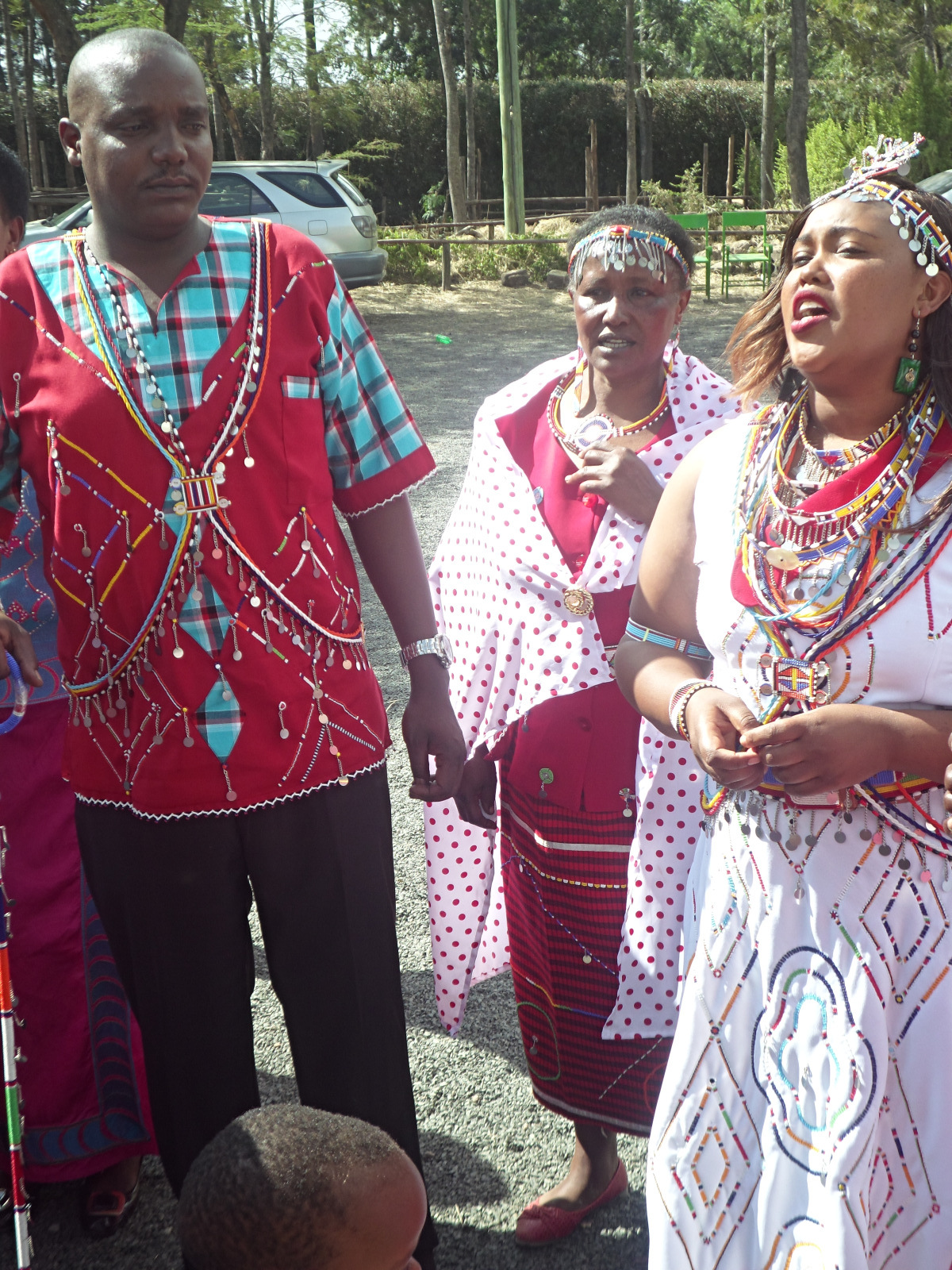
Finally, the wedding day arrives. However, forget about several hours of hairdressing preparations, elaborate hairstyles and veils. One of the most interesting traditional customs is the shaving of the bride's head. As described in the Maasai wedding traditions by the Timothy S. Y. Lam Museum of Anthropology, the bride's mother shaves her head on the wedding day and then smears it with lamb fat. Then comes the turn of the women from the family, who dress and adorn the future wife. And this is where the real fashion show begins. Maasai brides wear an abundance of colorful beaded jewelry, necklaces and ornaments. Some of them are given to them by other women from the community, so the wedding decoration is not just a matter of one family. Each color can carry symbolic meaning. Red is associated with strength and courage, white with purity and milk, blue with the sky and water. The result is a striking appearance that would certainly not go unnoticed at a classic European wedding.
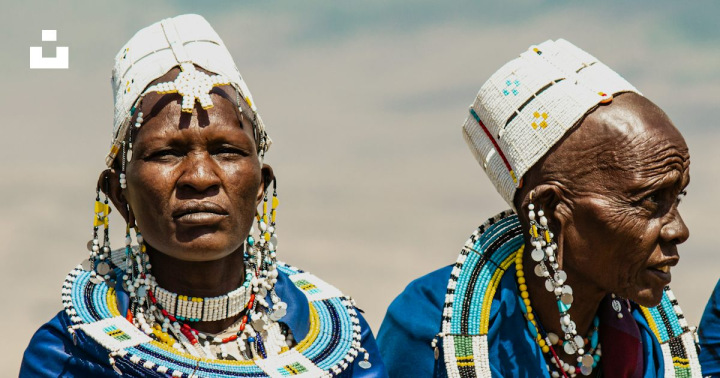
And what about the groom? He too dresses in traditional attire and his appearance is complemented by characteristic ornaments. Instead of a classic suit, the bride may find standing before her a man who looks as if he has just stepped down from photographs of an African expedition.
Milk instead of the classic wedding toast
If you were expecting to toast with your husband with a glass of champagne after the ceremony, here too you would be in for a change. Milk holds an important place in Maasai culture and also appears in wedding rituals. According to the description of wedding customs at the Lam Museum of Anthropology, the bride and groom are symbolically blessed and washed with milk. Green grass is tied to their clothing and footwear. Milk and honey drink are then combined with wishes for prosperity, fertility and a happy life together.
An interesting view of the contemporary form of Maasai weddings was also brought by the African television portal Maisha Magic Plus. In a report about the wedding of Felix and Esther from 2024, it described several traditional elements that the couple retained in their ceremony. One of them was the smearing or sprinkling of the bride's feet with cow's milk, which symbolized wishes for fertility and successful family life. Elder family members also tied green grass to her legs, which was meant to represent beauty. Part of the celebration also included the killing of a goat, with raw meat being consumed and blood being drunk as part of the specific ceremony. However, this is not the rule for all Maasai weddings, but one of the described customs of a particular family.
Spitting on the bride? In Africa it can be a sign of blessing!
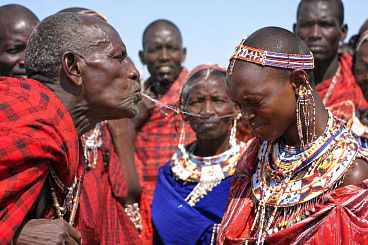
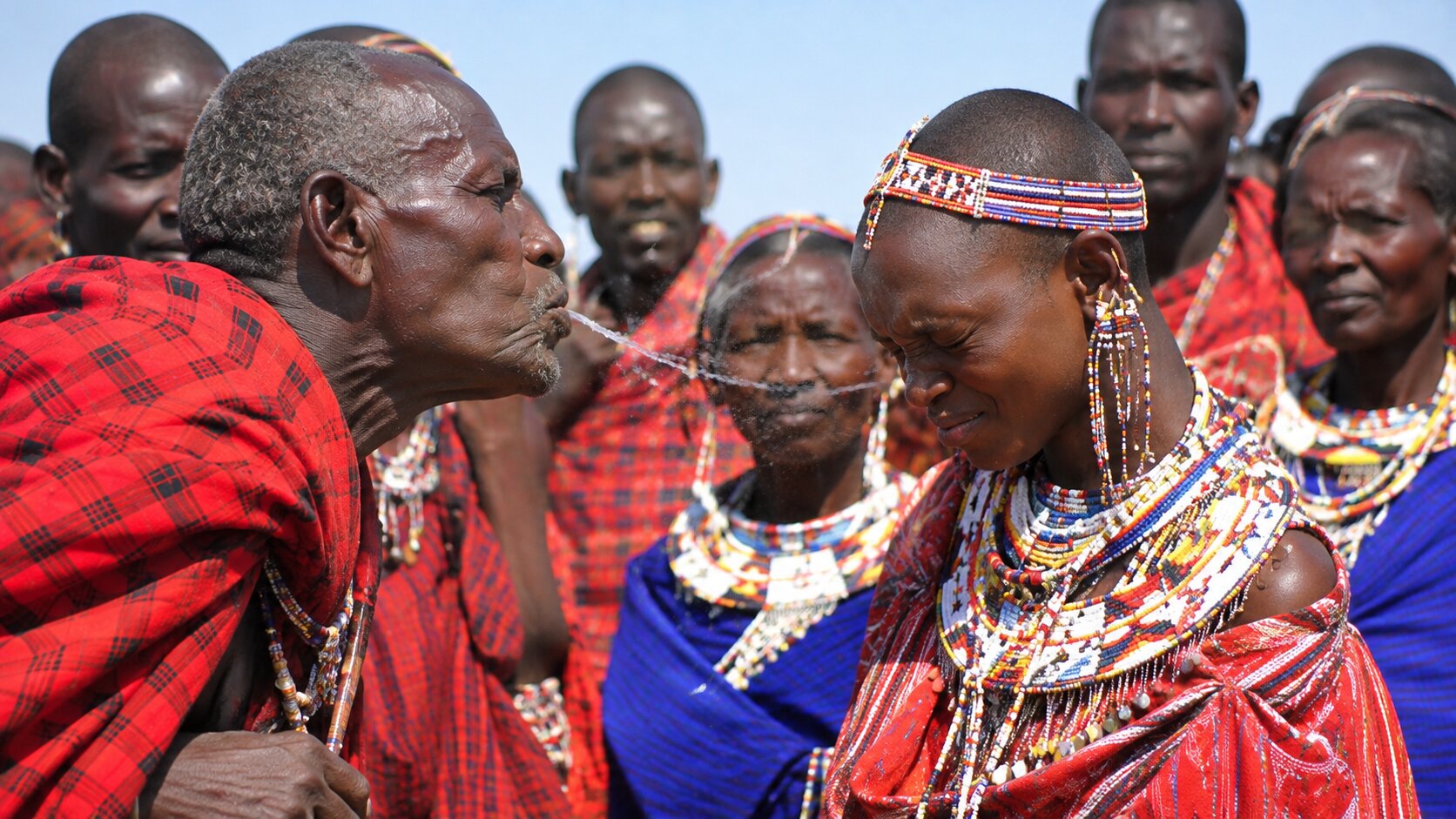
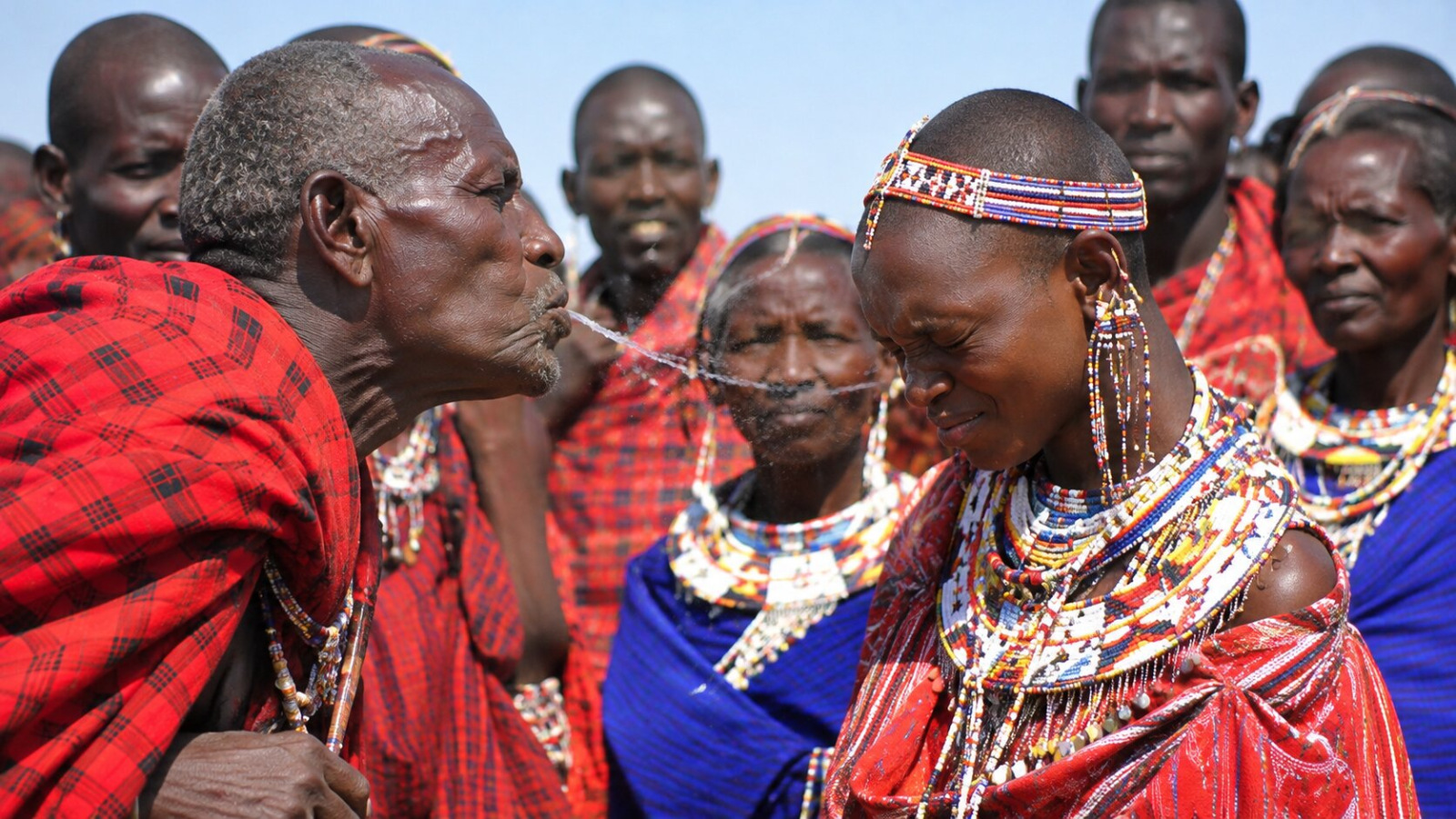
As reported by the portal Pulse Nigeria, in traditional Maasai culture, a father can bless his daughter on her wedding day by spitting. What would seem like an insult in our parts symbolizes happiness and prosperity in this case. A similar custom is also described in an academic work dedicated to Maasai marriage traditions in Kenya. According to it, during the ceremony, the bride can be blessed by elder members of the community also by spitting, milk, or beer.
Imagine standing in wedding attire, surrounded by relatives, and instead of a classic hug or kiss, someone spits on your head or face. This is exactly the kind of custom associated with traditional Masai culture. For locals, it is not an insult or a sign of disrespect. Spitting in this context is understood as a symbolic passing of blessing and protection from misfortune.
Interestingly, it is not just about the wedding ceremony. Spitting has a broader social and ritual significance in some Masai communities. Parents may, for example, bless a newborn in this way to wish them health and a happy life. A similar gesture may also appear when meeting loved ones or during significant life events.
For a person from Europe, this might be hard to imagine. In our culture, such a gesture would rather cause outrage, but in a traditional Maasai environment it can be an expression of affection and good intention. The meaning is not determined by the gesture itself, but by the cultural context in which it is used. And so it could happen that instead of a wedding kiss, you receive a blessing in a way you would definitely not expect at home.
The hardest moment? Leaving the parental home
After the wedding rituals comes a moment that could be quite emotional for the bride. In the traditional Maasai ceremony, the woman leaves her parents' home and moves to her husband's family household. According to the Lam Museum of Anthropology, the bride sets out on a journey to her new home after the wedding ceremony. The groom clears the path for her. There is also an interesting superstition that she should not look back at her parental home, because according to tradition she could turn to stone. It sounds like a scene from a fairy tale, but for the bride this moment has primarily symbolic meaning. She is leaving the family in which she grew up and beginning a new life chapter. Upon arrival, she is welcomed into her husband's family. In some communities she receives a new family name and the welcome also includes the presentation of gifts or livestock.
A Husband Doesn't Have to Have Only One Wife
And now comes information that could thoroughly surprise many European women.

In traditional Maasai society, polygyny is also known, that is, the marriage of one man to multiple women. This doesn't mean that every Maasai has several wives. However, such marriages do exist in the traditional environment and their possibility was also related to the man's property circumstances.
As National Geographic explains, a man could marry multiple wives if he had enough cattle. The family's wealth was traditionally based primarily on the size of the herd. For a woman from a European background, it would therefore be important to know before marriage what ideas her future husband has about partnership. Modern Maasai families differ significantly from each other, and one cannot assume that all men follow the same rules.
The morning doesn't start with coffee, but with household chores and livestock care
The wedding celebration has ended and romantic notions clash with everyday reality. If you lived in a traditional Maasai household, you would have to get used to a completely different rhythm of life. An important role is played by livestock, which provides milk, meat and represents the foundation of family wealth. Households can consist of several generations and multiple family units. It is therefore not necessarily a life with just a husband and children, as we know it in Europe. In the traditional setting, women take care of the household, prepare food, milk animals, ensure water supply and participate in raising children. A significant part of their life is also the creation of beaded ornaments.
As the newspaper The Guardian reported on the daily life of Maasai women, women in some communities provide water and wood daily, care for children and the household. In drought-affected areas, their work becomes even more complicated. They sometimes have to travel several kilometers for water or fuel. Interestingly, traditional dwellings in some areas are built by the women themselves. The houses are made from available natural materials and their walls may contain a mixture of clay, branches and cow dung. The latter, thanks to its properties, also has practical use in construction. So if you were expecting a modern kitchen, bathroom and comfortable bed, in a traditional Maasai settlement you would have to significantly adjust your expectations.
Husband as a Warrior? First He Must Pass a Life Test
Maasai men are also known as warriors, whom they call moran. This stage of life holds a special position in traditional society. Young men go through individual life stages and their position in the community changes according to age and completed rituals. Warriors traditionally protected the community and livestock, while living in groups with their peers.
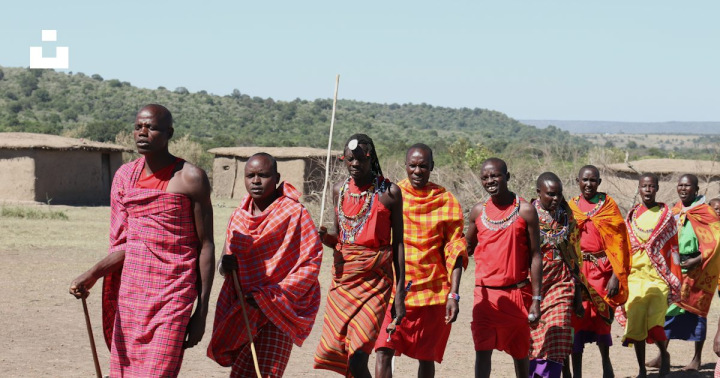
The newspaper The Guardian in a report from the Enkipaata ceremony in Tanzania showed how thousands of young boys underwent one of the important life tests. The ceremony represents the beginning of their journey to adulthood and later status as warriors. After approximately seven years, another significant stage follows - Eunoto. This symbolizes the transition of warriors to the status of junior elders. It is precisely during this period that they are traditionally expected to start a family and take on new social responsibilities.
This means that if you chose a Maasai who still belongs among young warriors, his life plans could also be governed by the rules of his age group and community traditions.
Not everything is romantic. Maasai life is changing too
Life in the African savannah may look like an endless adventure in photographs. However, the reality is much more complex. Maasai communities today face drought, water shortage, loss of pastures, and other problems that affect their traditional way of life. National Geographic in its report Beyond What Tourists See: A Rich Maasai Culture With Many Challenges points out that the image of the Maasai that tourists know from safaris represents only a small part of their real life. Many are involved in education, business, nature conservation, or other modern professions. Women are also gradually gaining new opportunities. Some run businesses, take photographs, work in tourism, or participate in decisions about the future of their communities.
It should also be mentioned that some historical customs associated with female circumcision and premature marriages represent serious violations of the rights of girls and women. In Kenya, female circumcision is prohibited by law and many local organizations strive to eliminate this practice. However, it cannot be confused with Maasai culture itself, nor should it be assumed that all families observe it.
There is still much that is interesting in the life of the Maasai.
Blood instead of water? What do the Maasai actually eat?
The traditional diet of the Maasai is closely linked to cattle. They consume milk, meat, and in some communities also cow blood. This can be obtained through controlled extraction from the animal without killing it. The blood is sometimes mixed with milk and prepared as a nutritious drink. For a European, this would be a truly unusual part of the diet, writes National Geographic.
A House Built from Cow Dung
Imagine that after your wedding you receive a new home that won't be built from bricks. Traditional Maasai dwellings, called enkaji, were built by women in many areas. They used wooden branches, grass, mud and cow dung mixed with other natural materials. Villages were surrounded by a protective fence made of thorny acacia branches. At night, livestock would gather in the enclosure to be protected from predators.
And what's most interesting about it? Several generations and multiple family units can live in one household.
Men jump high to show their strength
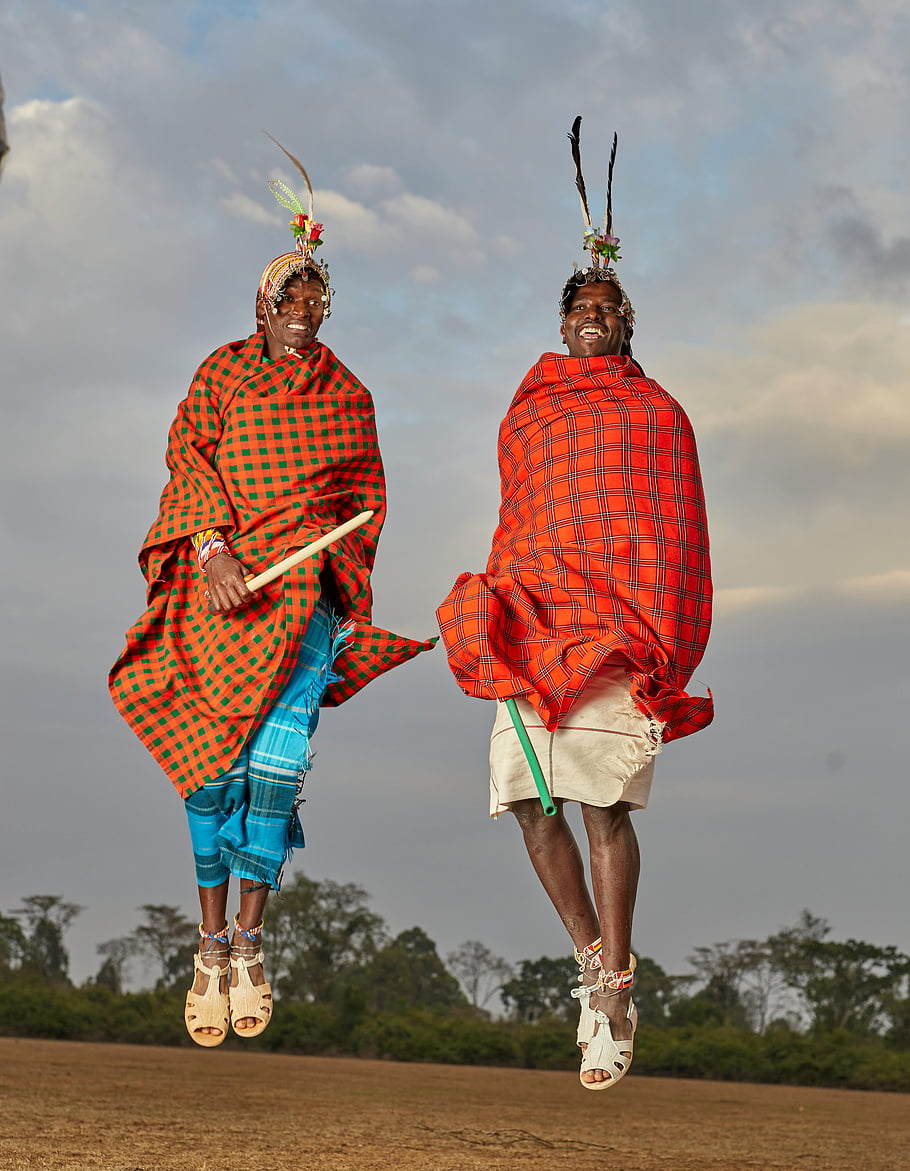
The Maasai are known for the traditional adumu dance, during which young men jump as high as possible into the air. They form a circle and take turns demonstrating their jumps. High jumps are a display of strength, endurance and physical fitness. The dance is part of social and ceremonial events. Imagine if your future husband presented himself to you with this dance instead of a romantic one, reports National Museums of Kenya via Google Arts & Culture.
Cows are more valuable than money
In traditional Maasai environment, the number of cows can be more important than the amount in a bank account. Cattle represent wealth, social status and family security. Animals are used in the exchange of goods, concluding agreements, wedding gifts, but also in resolving disputes. A man's wealth was traditionally also assessed by the size of his herd. And here we return to marriage: the more cattle a man owns, the greater opportunities he may also have in starting a family.
Women work from early morning, men take care of herds
If you were to marry a Maasai living a traditional lifestyle, you would have to get used to a completely different division of duties. Women take care of children, milk cows, prepare food, carry water, gather firewood, and make beaded jewelry. Men and young herders devote themselves to livestock, its protection, and moving to new pastures. The newspaper The Guardian in a report about the life of Maasai women described that some have to travel several kilometers for water and firewood. Drought complicates their daily life even more.
Interestingly, women take care of a large part of the family household, but control over property traditionally often remains in the hands of men.
A man does not become a warrior overnight
Young Maasai go through several life stages. One of the most well-known is the period of morans, that is, young warriors. Their task was traditionally to protect the community and livestock. Also interesting are the ceremonies that move them to the next life stage. During the Eunoto ceremony, for example, warriors symbolically bid farewell to their previous status and enter a new social role, reports Maasai Association.
Life by the Fire, Where Stories of Ancestors Are Told
This would work well as a more romantic passage. Imagine an evening in the African savannah. The sun is setting, the cattle are returning to the pen, and the family gathers around the fire. In traditional communities, elderly people hold an important position. They pass on their experiences to the younger generation, tell stories, explain the community's rules, and participate in decisions about its life. Family ties are very important, and a person doesn't become part of the community merely by marrying one man. They enter into a broader family world.
Would you trade your life for the African savanna?
The idea of a wedding with a Maasai may sound like a romantic story from a completely different world. Colorful beaded jewelry, traditional ceremony, milk blessing, and life in the midst of African nature undoubtedly have their charm. But marriage is not just about the wedding day. It would also mean learning new rules, adapting to family traditions, and perhaps a completely different idea of what a life together should look like.
And so the question remains: Could you exchange the comfort of a European home for life in a Maasai community, where cows represent family wealth, beaded ornaments replace wedding dresses, and a new beginning is symbolically connected with leaving the parental home?
Source: original text, National Geographic, The Guardian, Maisha Magic Plus and Lam Museum of Anthropology, Maasai Association, National Museums of Kenya via Google Arts & Culture