I'm moving to a Scandinavian island in the middle of Prague. Kodaňská is an architectural pearl from the waters of the Little Mermaid


What does the capital of Denmark, washed by sea water, have in common with landlocked Prague? Why, Kodaňská Street and the fairy tales of Hans Christian Andersen, which became as much at home here as those by Božena Němcová.
Kodaňská Street is today a modern and vibrant street almost in the heart of Prague. Deep beneath the foundations of buildings, however, we would find numerous archaeological finds, as there was prehistoric settlement at the site as far back as seven thousand years ago. Ceramic shards reveal the existence of a village that belongs to the so-called Stroke-ornamented Pottery culture.
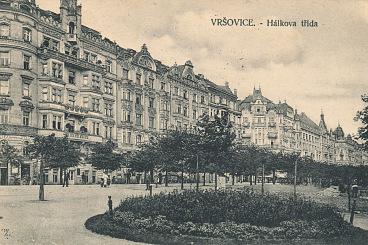
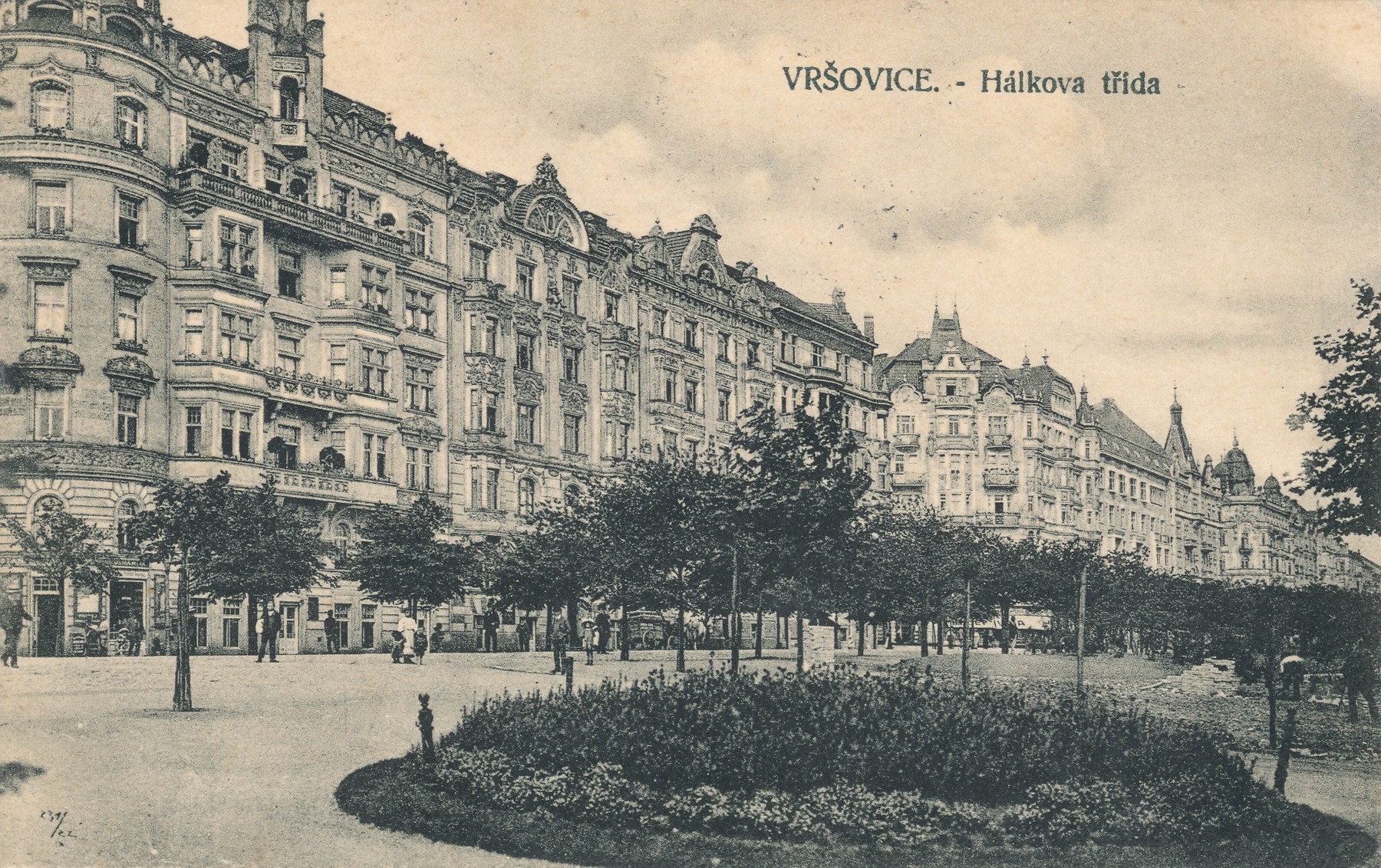
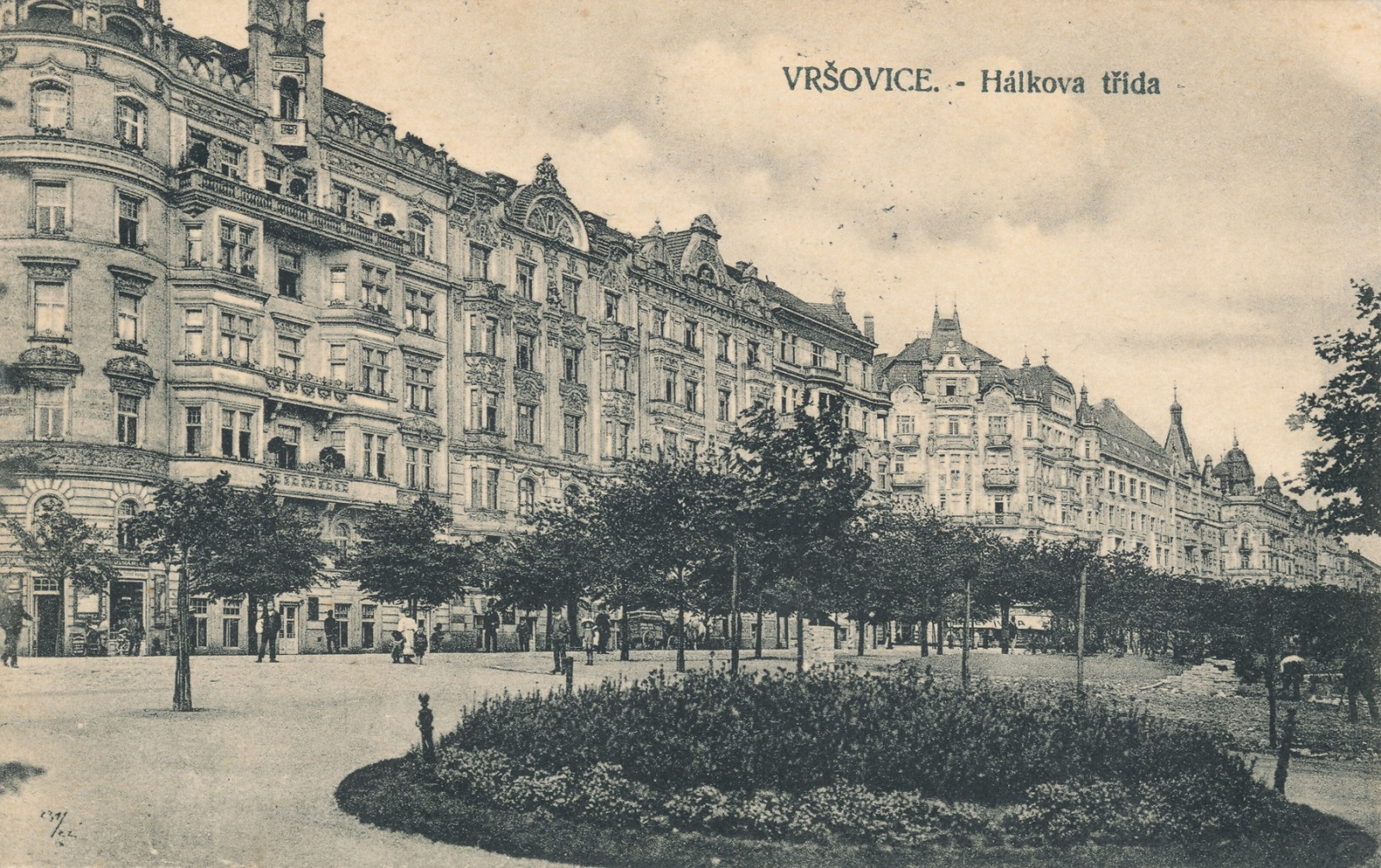
Over the long millennia, Vršovice, where Kodaňská belongs, has obviously not lost its attractiveness. The street was originally named Hálkova, but was renamed at the beginning of the 20th century in the spirit of Prague's effort to rank among other European metropolises. No wonder, for three centuries Vienna was the capital of our state, and with the creation of Czechoslovakia, Prague soared to rapid construction development.
Kodaňská Street is a textbook of architecture
The beginning of the last century also left its mark on Kodaňská Street in the language of an architecture textbook. There is much worth mentioning here, but the eye of a Art Nouveau lover will certainly be attracted to the apartment building by Osvald Polívka, who is also the architect of the Municipal House in Prague.
The aesthetics of the street are then shaped by several buildings by architects Václav Řezníček, Václav Šourek and Vladimír Frýda, the latter having designed the local kindergarten built in the spirit of rational functionalism. Even back then, gardens were created which the children at the kindergarten have at their disposal to this day. Right next door is the Karel Čapek Primary School, so education in an inspiring environment is well taken care of here.
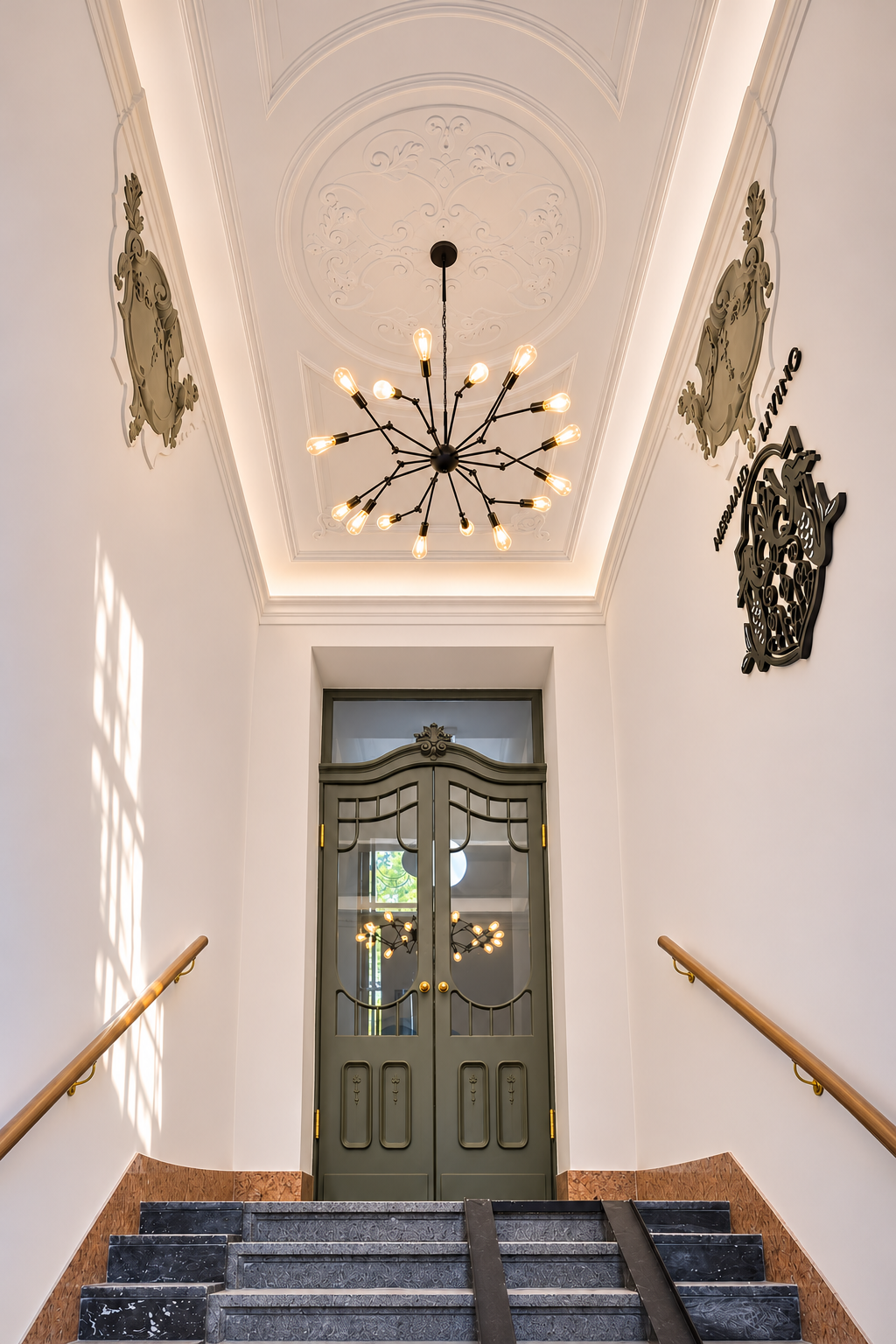
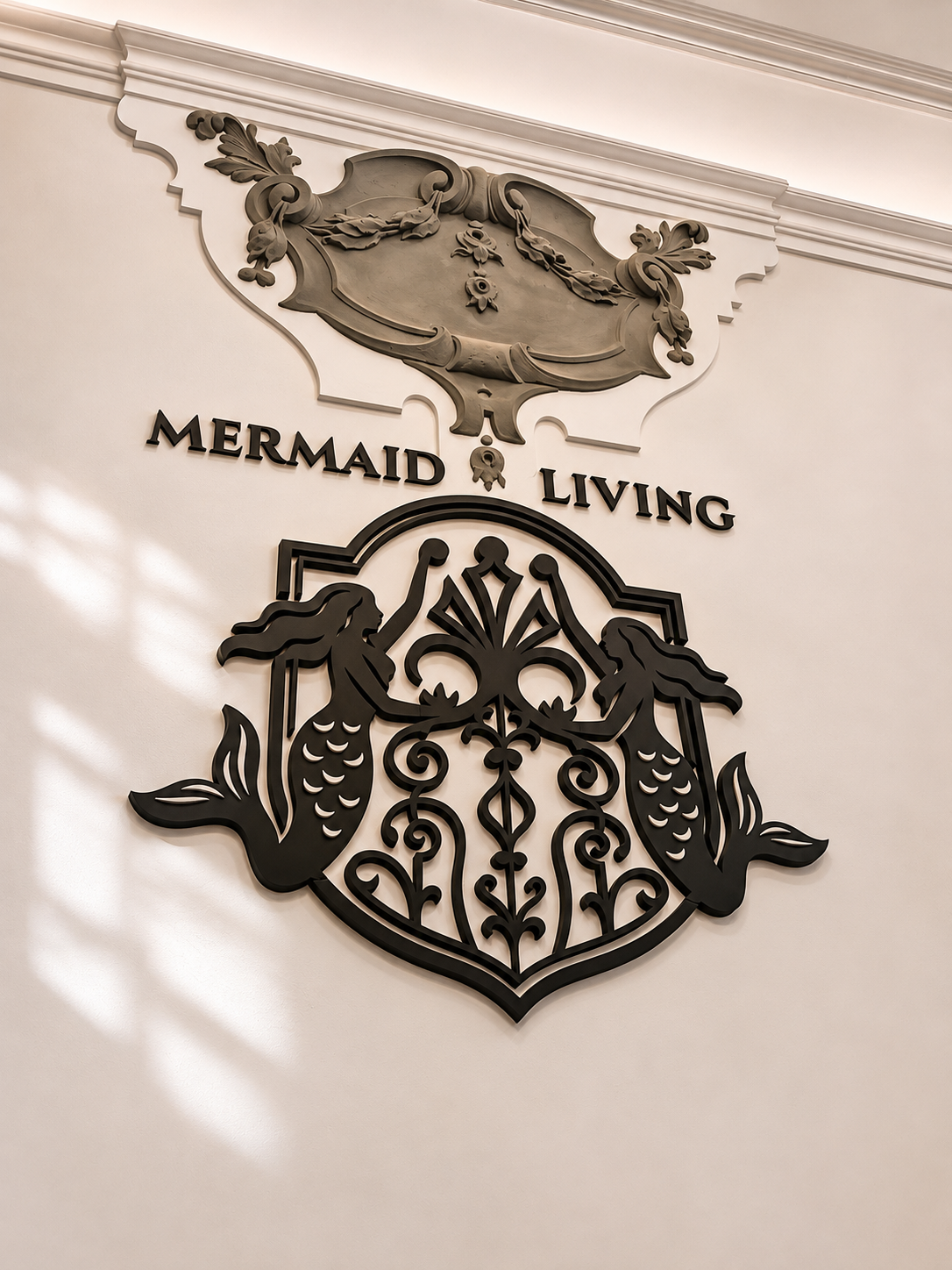
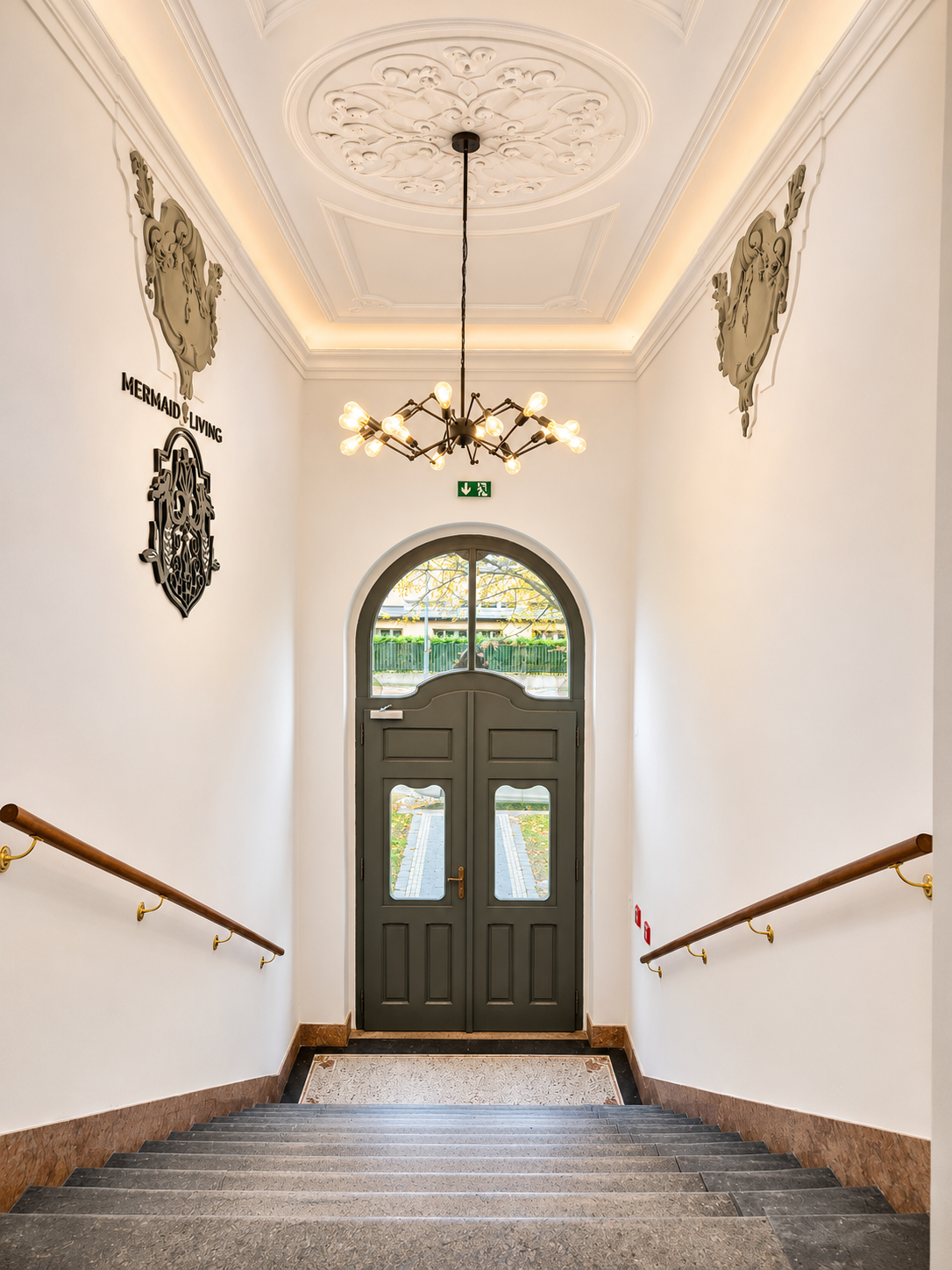
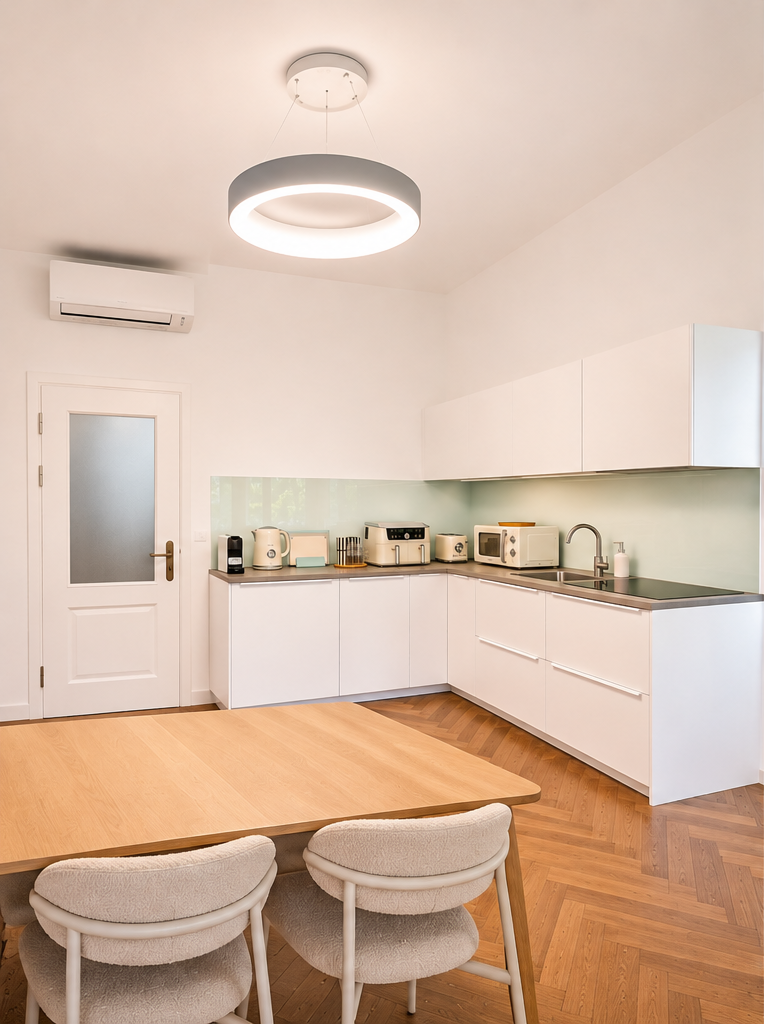
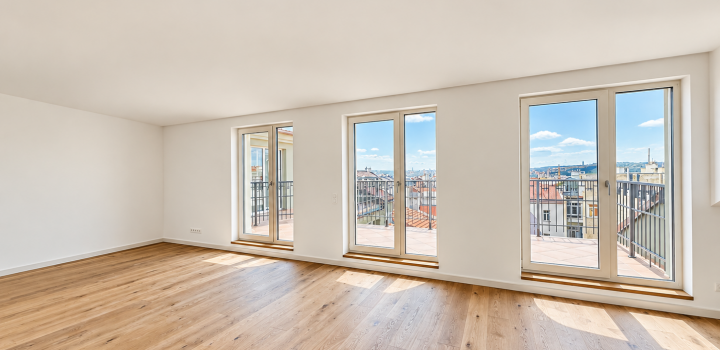
Children are inseparable from Kodaňská Street, because the Danish capital is also home to the Little Mermaid. The story by Hans Christian Andersen about a mermaid with a fish tail who drank a magic elixir and gained human form to win the love of a prince is one of the most touching stories about unhappy love. The statue of the mermaid remains the main symbol of Copenhagen to this day. This story then inspired the newly reconstructed residential building Mermaid Living, which combines Czech architectural heritage from the turn of the 19th and 20th centuries with the simple beauty and modernity of Scandinavian interior design. It would be hard to furnish an apartment on Kodaňská Street in any other spirit.
Today we know the fairy tale primarily from Disney films and series, which, however, reflect the original story only very loosely. Here, a whole range of Andersen's fairy tales have become well-known, such as The Tin Soldier, Snow White, The Phoenix Bird, The Little Match Girl, Silly Hans, The Emperor's New Clothes, or The Magic Trunk. Each fairy tale carries a piece of moral teaching that can inspire us in our own lives.
Right next door at the corner of Kodaňská and Norská streets, there is a beautiful Art Nouveau building with a corner tower, most likely designed by Emil Dufek. It was completed in 1910 and the authorship is unclear in light of archival documents. Another Scandinavian corner building is located at the junction of Finská and Kodaňská streets, but its authorship is also unclear, though its architect was probably Ladislav Čapek and it was also built in 1910, when the representative "boulevard on Kodaňská" was taking shape.
The Mediterranean Sea has left its mark in the Scandinavian corner
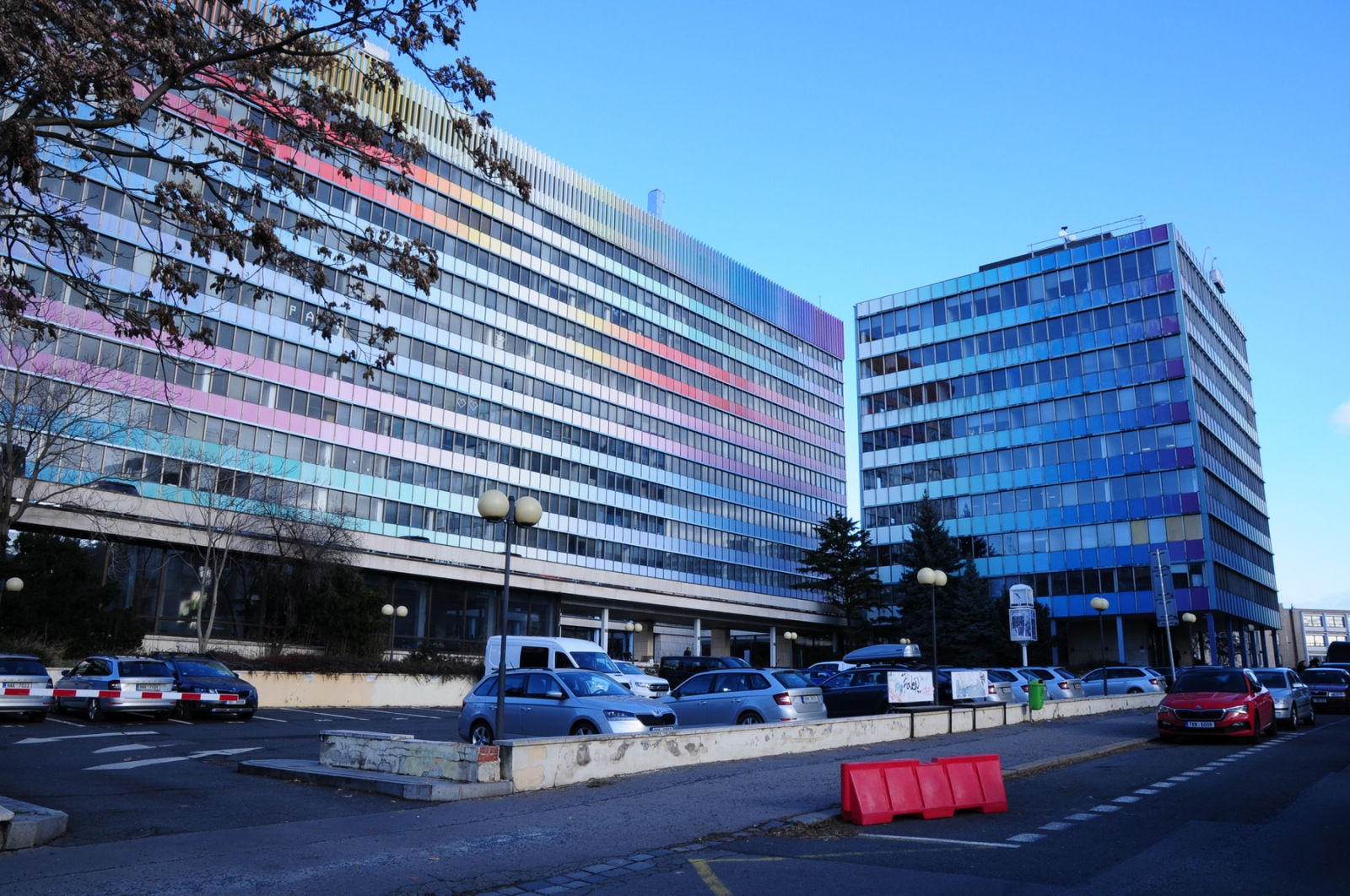
The architectural style of Kodaňská is figuratively washed not only by the ocean of the Little Mermaid, but also by the Mediterranean Sea. It is flanked on two sides by two interesting stories of Italian architecture. On one side is the Chemapol building, which was the headquarters of foreign trade and is a gem of Czechoslovak architecture from the free-thinking 1960s. Although Czech architects Zdenka Marie Nováková and Dagmar Šestáková signed here, the construction was carried out by the Italian company FEAL, which gave the building an international style and Italy-inspired modernity. Today the building serves as the 4D Center and is a reminder of the liberalization of conditions in Czechoslovakia in the 1960s.
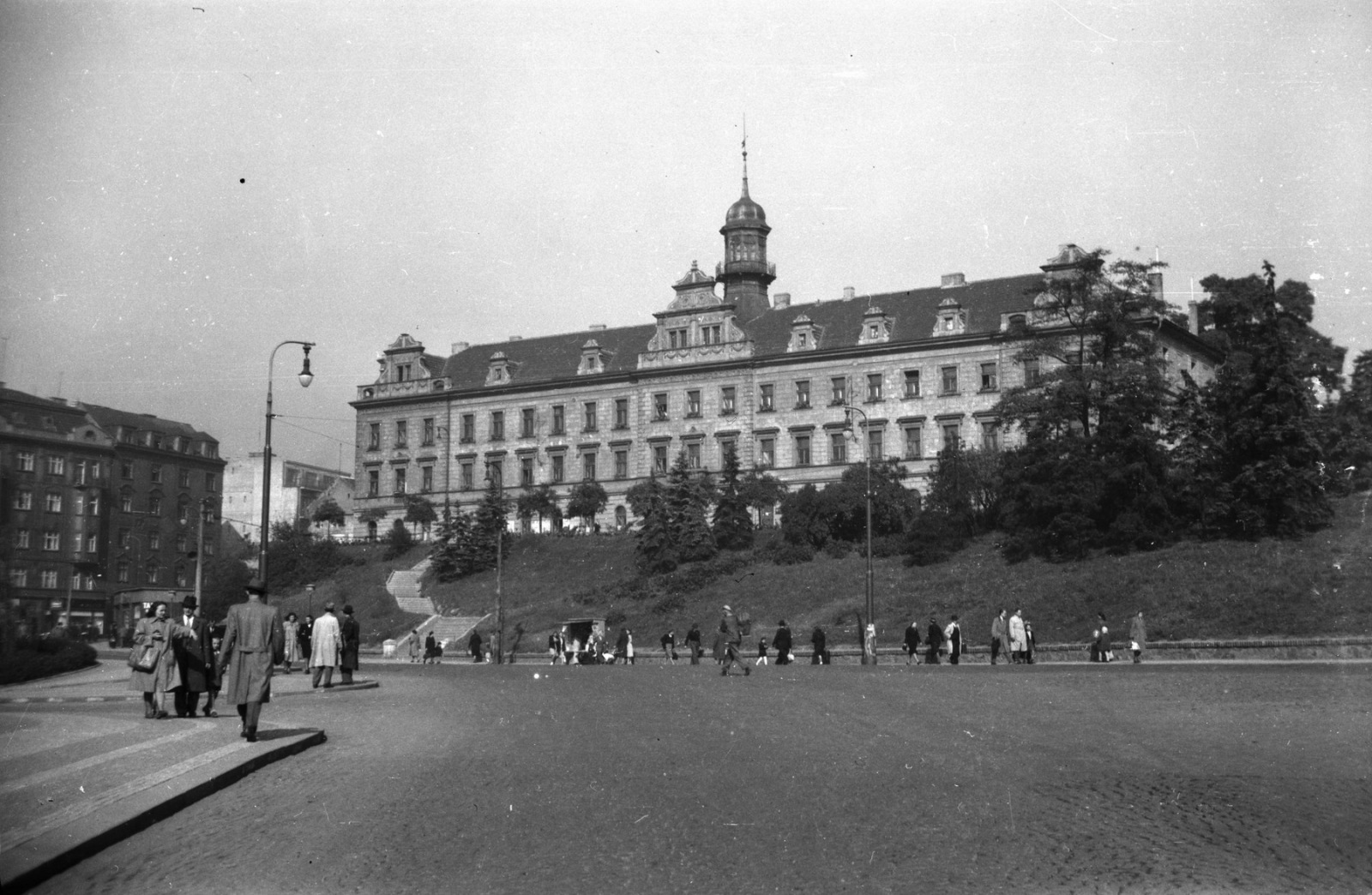
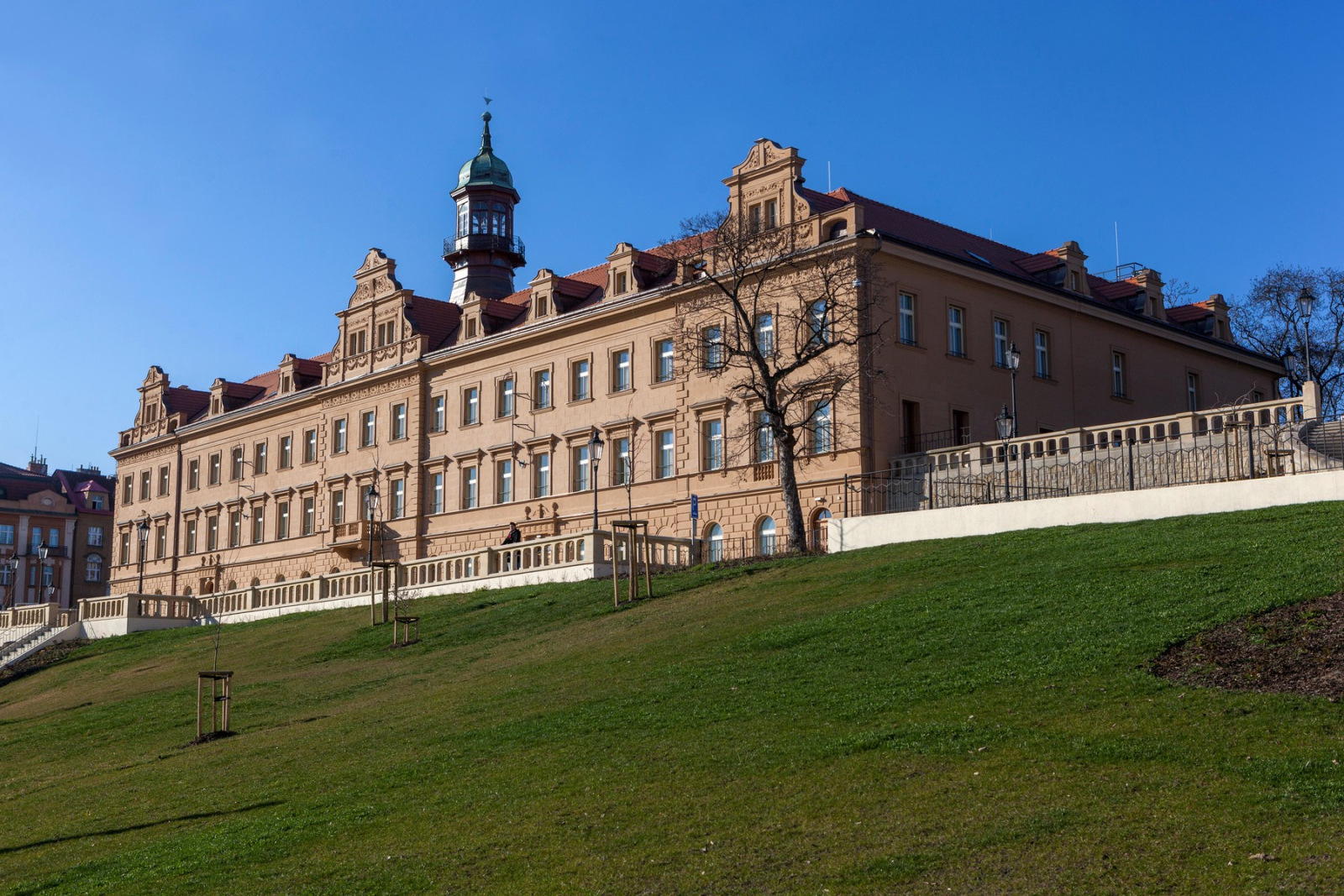
The second Mediterranean island can be found on the opposite side of Kodaňská Street. It is the Vršovice Château, for which the more fitting name Villa Rangherka is used. Behind Herold Gardens, the son of an Italian silk merchant, Jiří Rangheri, had a luxurious residence built in 1842. The prismatic towers of the building were used for breeding silkworms, and from the fiber of these larvae's cocoons, genuine silk was then produced here.
Herold Gardens, as the park in the immediate vicinity of Rangherka and also Kodaňská Street is called, was originally planted with mulberry trees so that the silk moth would have something to feed on and could produce precious fibers for silk production.
True Nordic romance has its corner even in the very center of Europe, and the best part is that in Vršovice's Kodaňská there is something extra that makes it unique.
Sources: author's text, Mermaidliving.com, Prague.eu, Galeriefunkce.cz, Archiweb.cz, Wikipedia.cz