I'm marrying a Bajau: His home is the ocean. He lives on a boat, hunts fish underwater, and on land he's like a lost soul


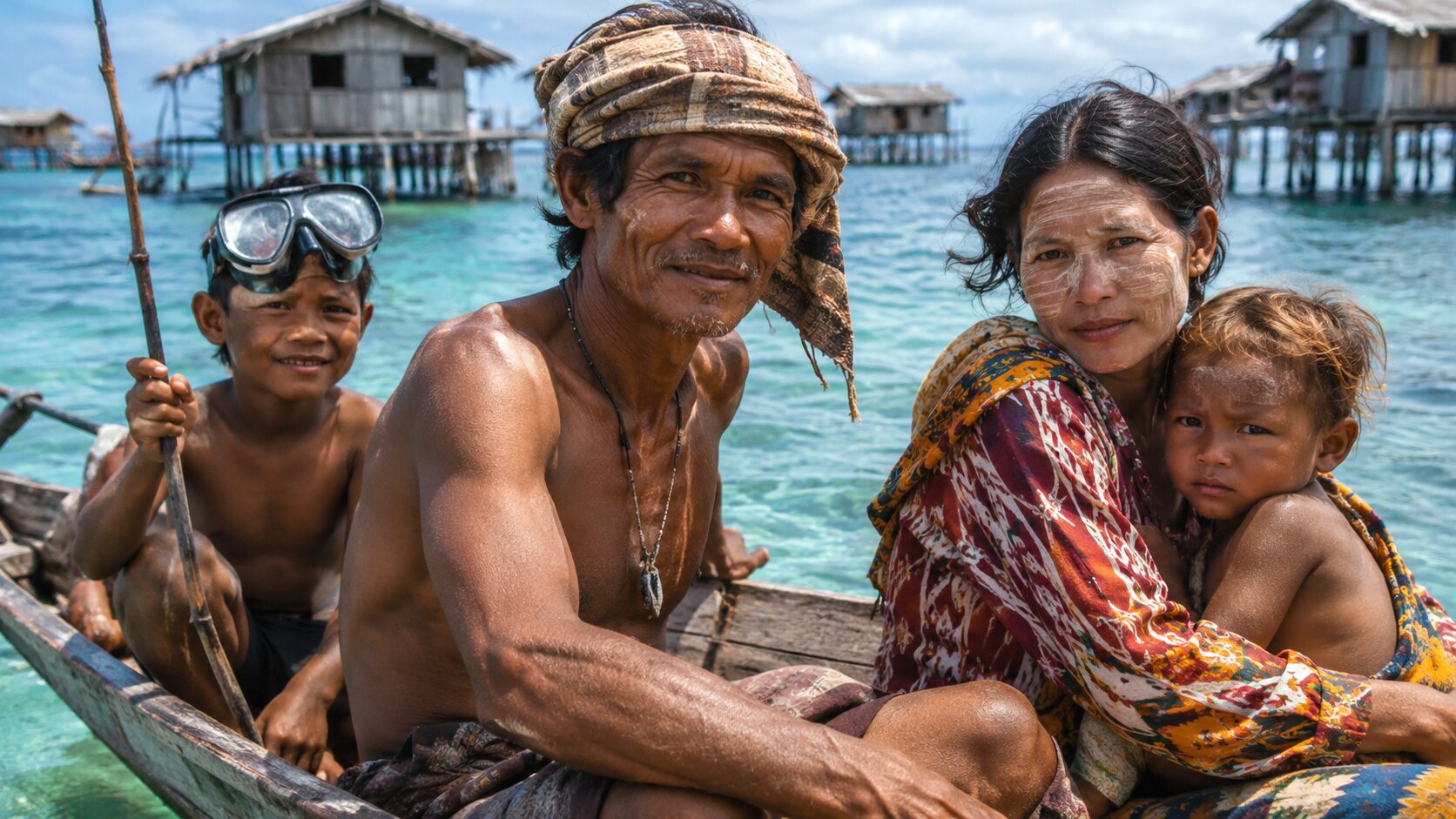
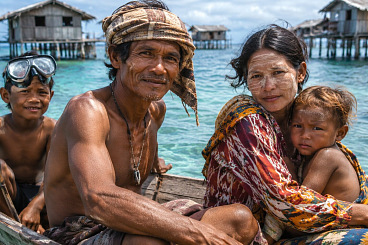
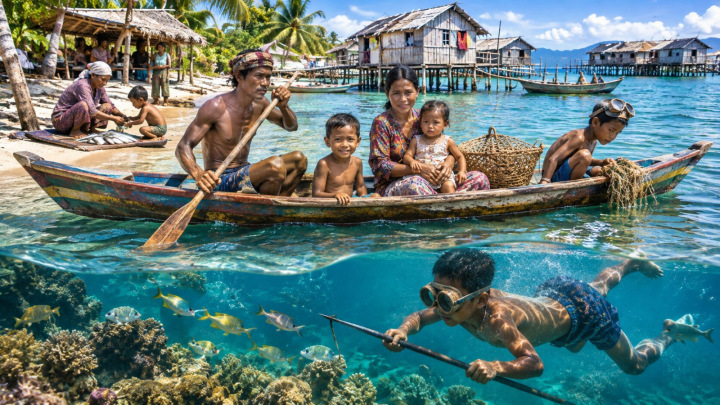
Exactly this kind of life has been typical for generations for part of the Bajau ethnic group, which lives in the Southeast Asian region, particularly in the Philippines, Malaysia, and Indonesia. They are called sea nomads because the ocean did not merely represent a source of livelihood or a place for fishing. It was their home, pathway, trading space, and the place where the most important life events took place. Some were born on boats, grew up, got married, and eventually died at sea as well.

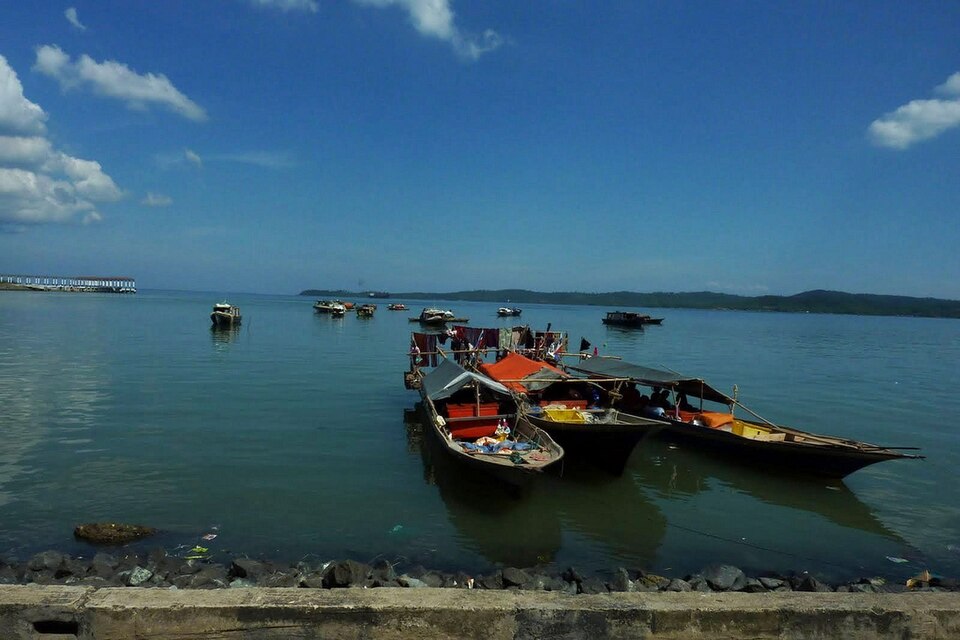
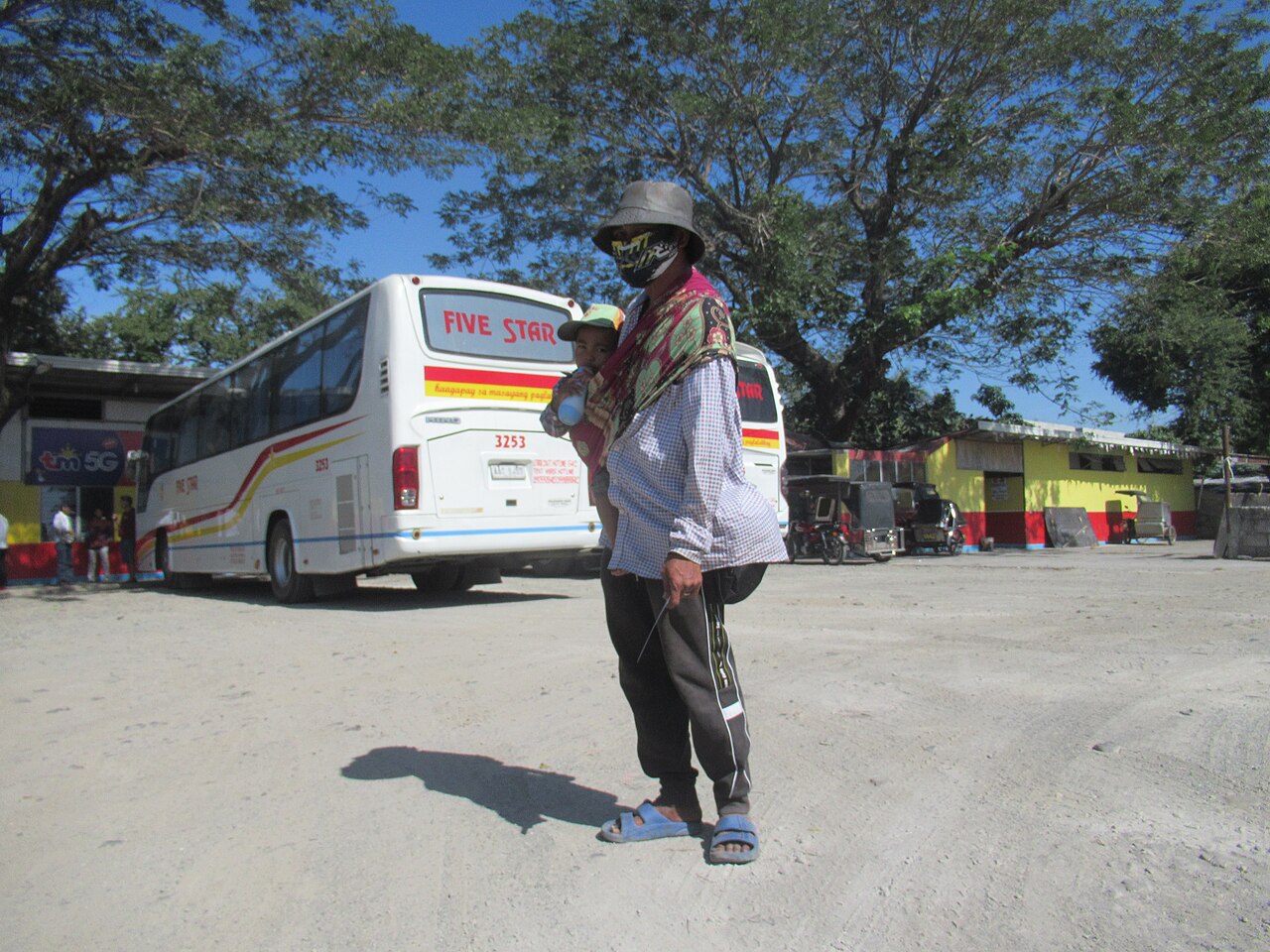
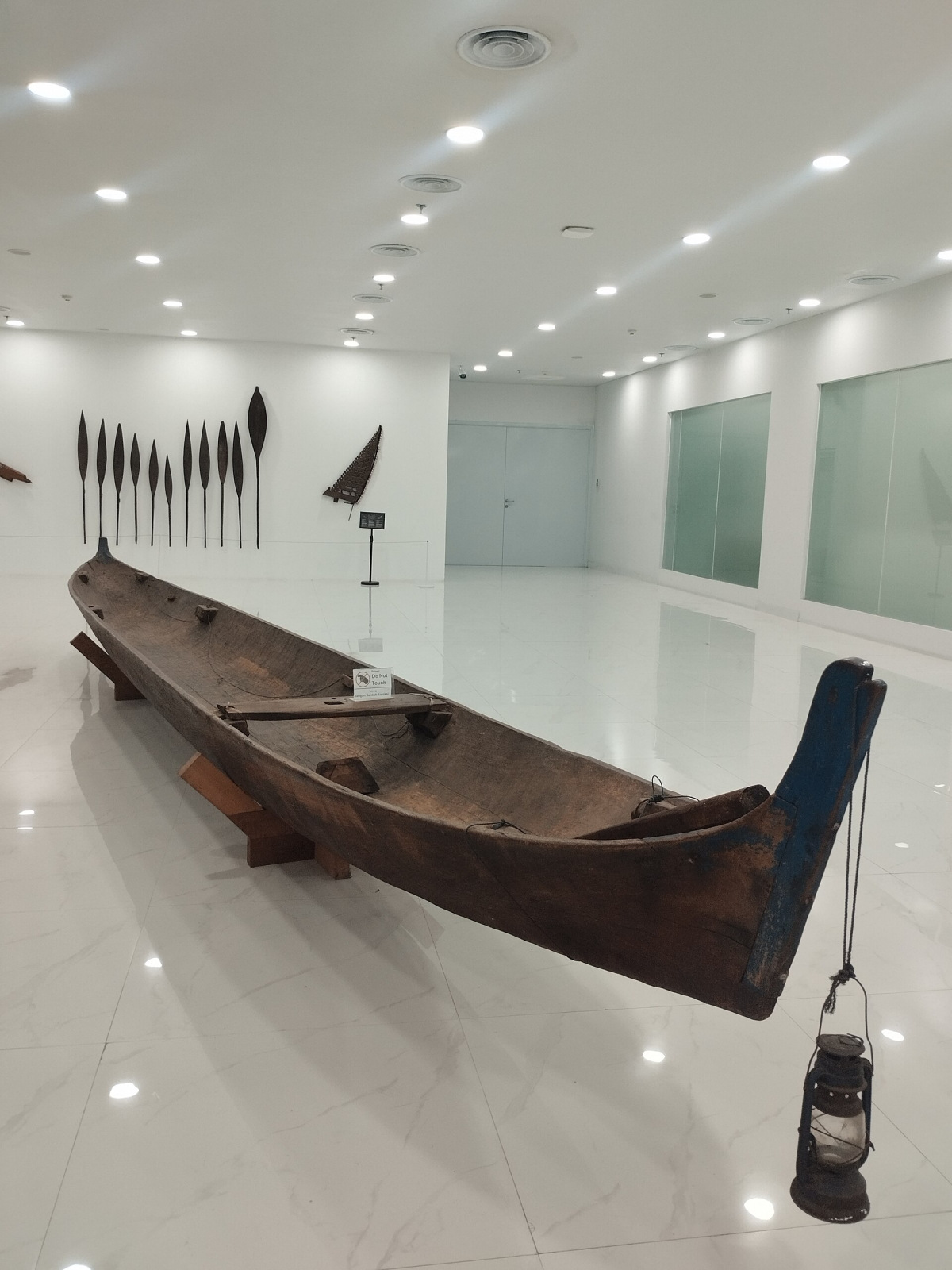
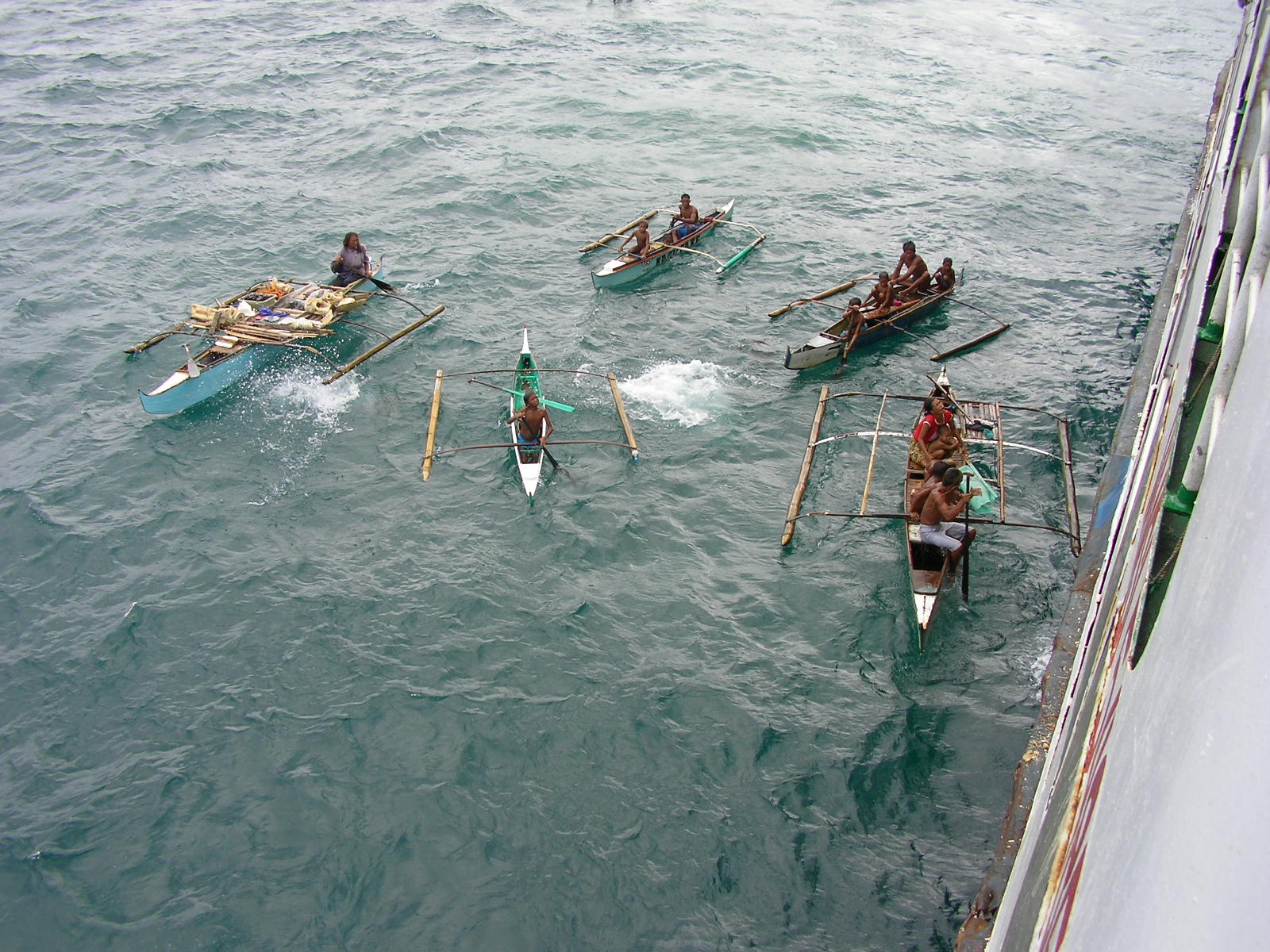
The idea of marrying a Bajau means entering a completely different world. But be careful, the claim that these people can only survive on land for a few hours is more tabloid exaggeration than literal truth. Many Bajau today live in stilt houses above the sea or in mainland settlements. However, their relationship with the ocean is exceptional and in some communities remains the foundation of everyday life.
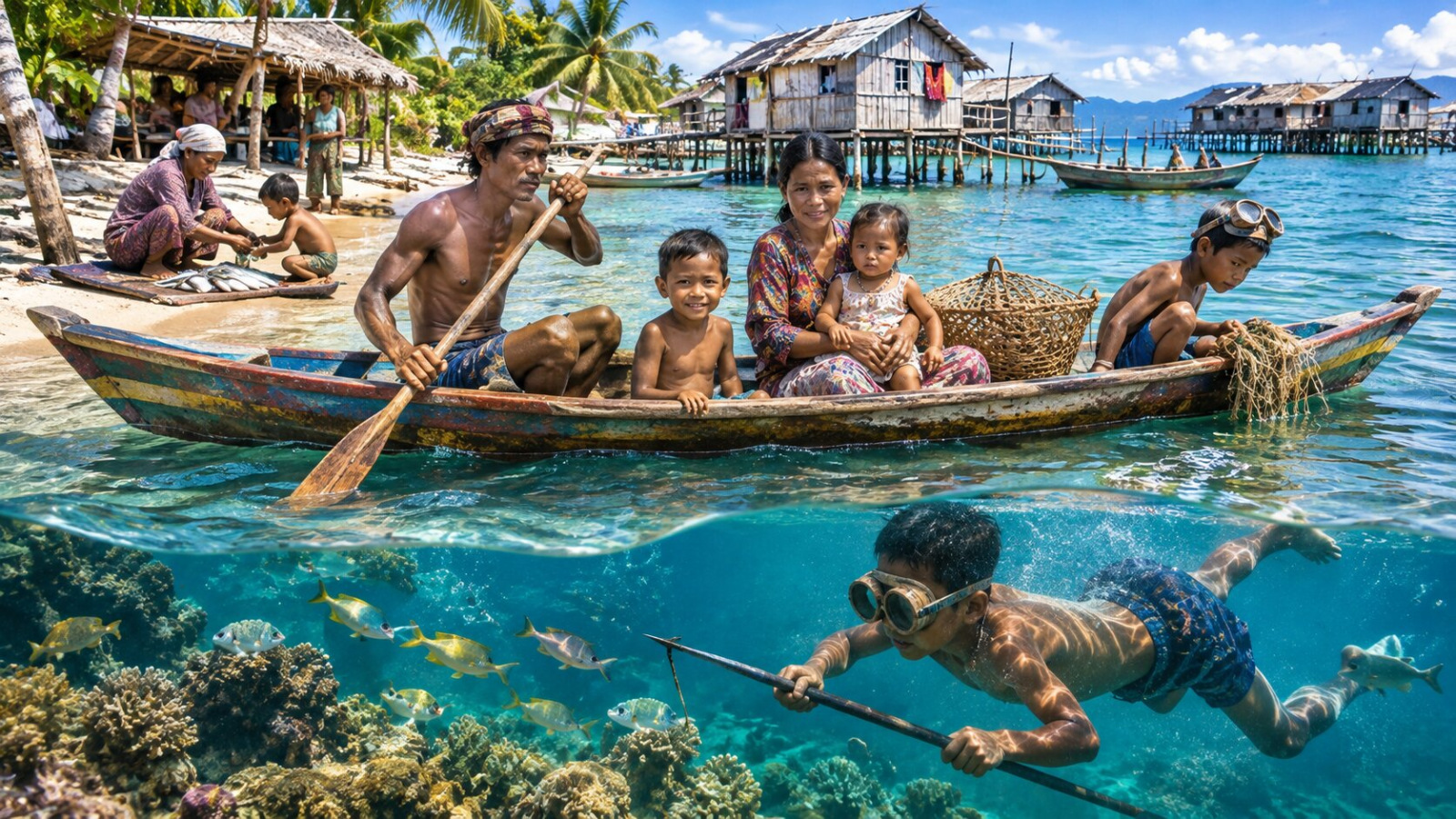
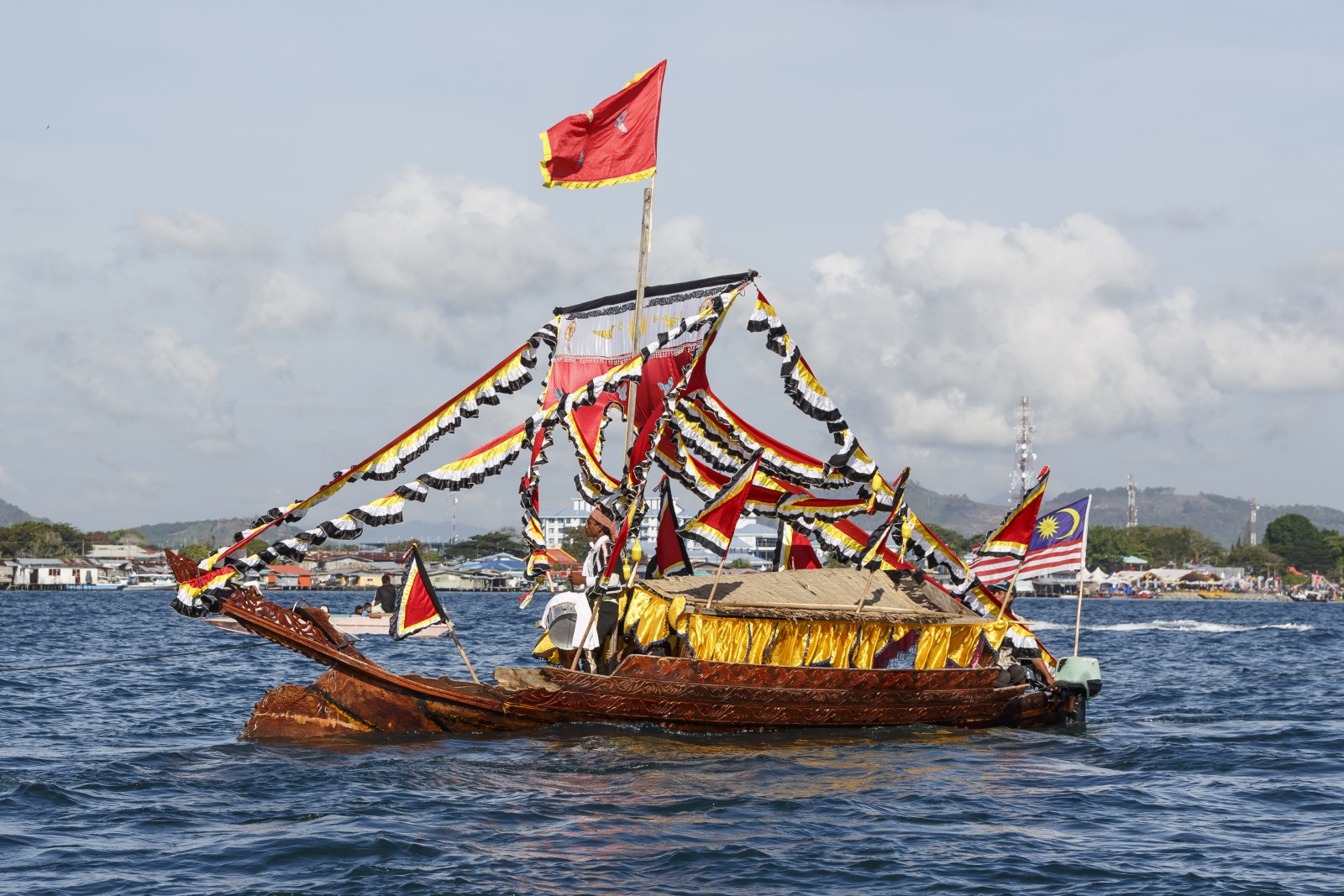
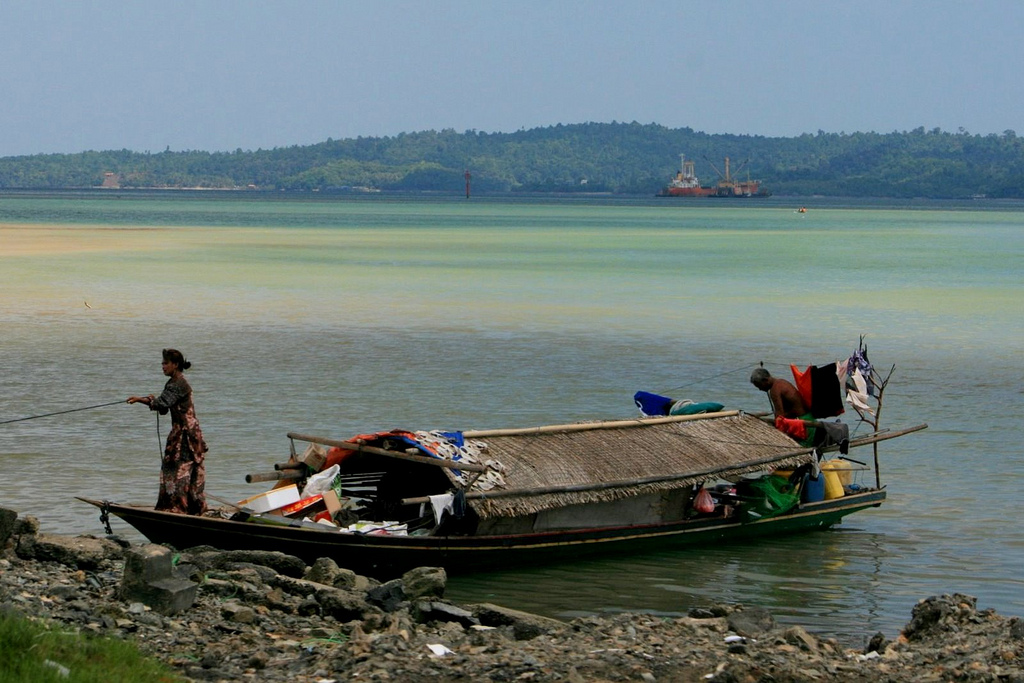
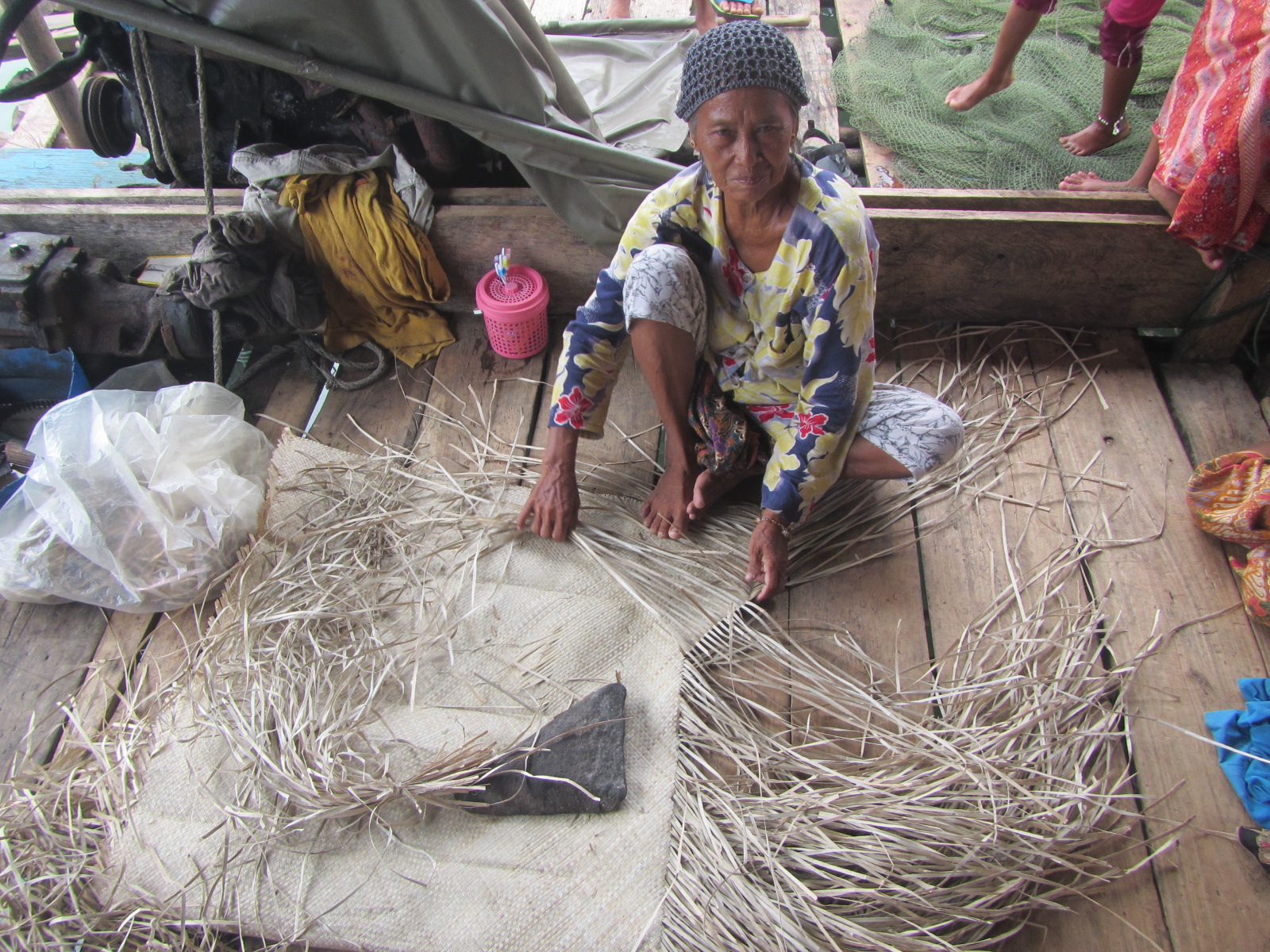
While most people associate home with a specific street, house number and plot of land, the traditional sea Bajau had a completely different idea. Their dwellings were small wooden vessels on which they moved along the coast, between islands and coral reefs. Such boats are called lepa-lepa. They were not just a means of transport, but an entire family base. On board they cooked, slept, rested and raised children. Families moved according to the weather, fishing opportunities and food availability. When they needed to replenish supplies, they traded with the inhabitants of coastal villages. As described in the article Missing the Boat? on the Inside Indonesia portal, the Bajau have moved in their houseboats between the coasts of southern Philippines, Malaysia and eastern Indonesia for centuries. In the past, during unfavorable weather, they even gathered in groups of several dozen boats near coastal settlements. They exchanged fish for food, wood or fresh water with local inhabitants.
Their way of life therefore represented much more than ordinary nomadism. It was a well-thought-out system of functioning that adapted to the sea and its possibilities. Interestingly, even the name Sama Dilaut itself, by which some sea communities call themselves, can be translated as "people of the sea". The Bajau are, however, a very diverse group and individual communities differ in language, customs and way of life.
A wedding where you're not just marrying a man, but his entire world
And what if a woman who grew up on land falls in love with such a man? Let's imagine a young woman who decides to marry a Bajau. While her family plans a classic wedding, his relatives know a completely different way of life. Their everyday life isn't governed by commuting to work, shopping at the mall or watching television in the evening. What matters most is the weather, the state of the sea and where enough fish can be caught. This story is a model representation, not an actual testimony of a specific couple. However, it well captures the cultural difference that people from marine and land communities may encounter. Marriage in Bajau culture has its rules and ceremonies. However, one cannot speak of a single wedding tradition that would apply to all members of the ethnic group. Individual groups have their own customs.
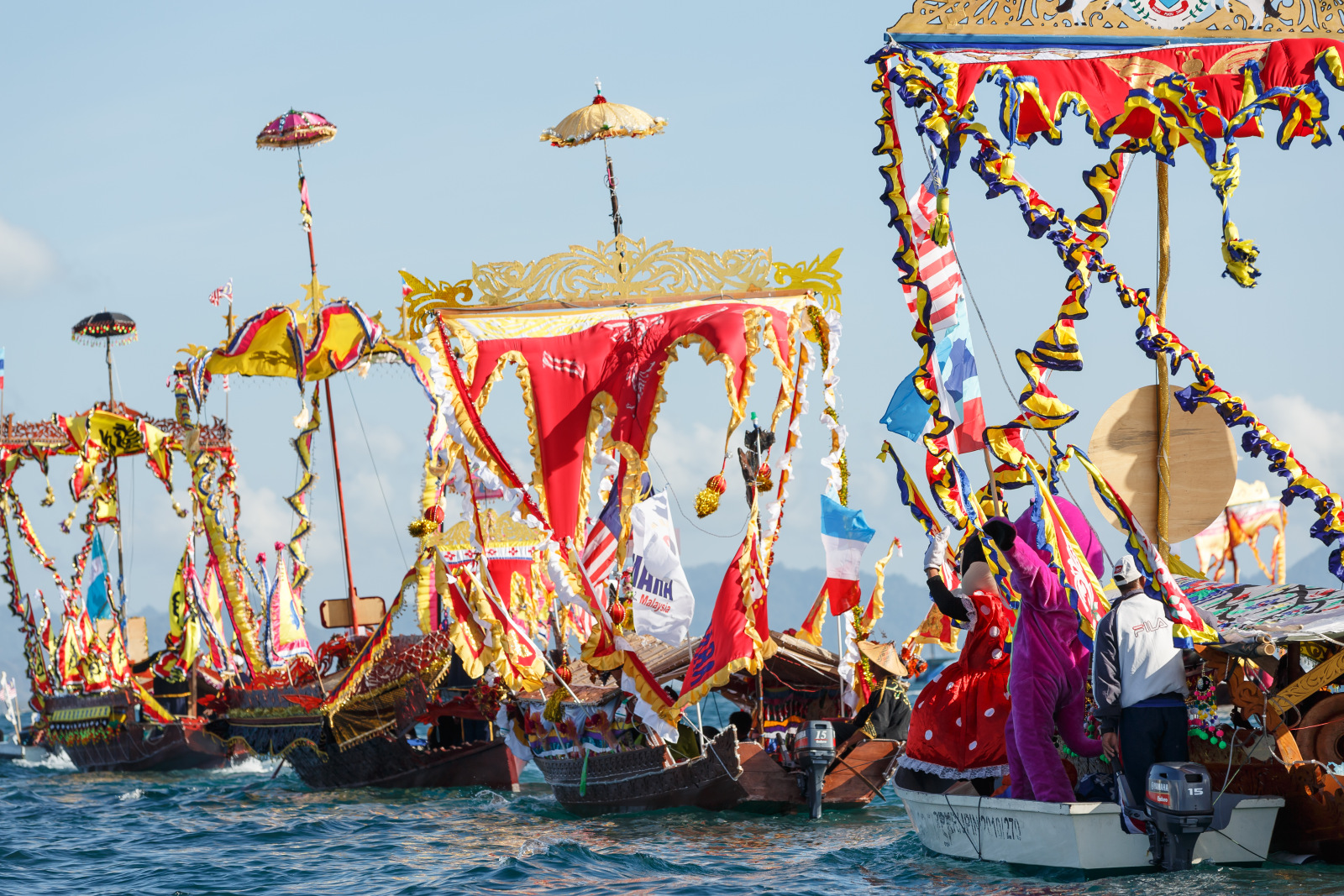
An interesting description of Bajau Kota Belud wedding customs is provided by the Malaysian portal Arts and Culture Information – Department of National Culture and Arts. According to it, a traditional wedding can consist of up to seven stages. Everything begins with selecting a suitable partner and finding out whether the girl is single. This is followed by a marriage proposal, engagement, gift giving, henna evening, the wedding ceremony itself, and other family rituals. The way this community approaches bride selection is also interesting. In the traditional process, the groom's parents and close relatives are involved in finding a suitable partner. In some cases, divination was also used to help assess the suitability of the selected candidate.
During the preparations, a ceremony called Madak or Mandi Badak may also take place, associated with henna and the bride's preparation. The wedding is thus not only a matter for the couple, but also a significant event for both families.
Bride under an umbrella, groom with a ring and a ceremony full of symbols
Historical descriptions of Bajau weddings in the Philippines also capture interesting details of the ceremony itself. According to the article Sea Gypsies of Mindanao, which describes Bajau wedding customs, a traditional bath of the bride took place before the wedding. It was accompanied by prayers, water and ritual dances. Meanwhile, a girl held a decorative umbrella with fringes over the bride's head. When the groom came to the bride's house, his arrival was accompanied by firecrackers. During the ceremony, incense was used and a spiritual leader blessed the groom. Subsequently, the question of consent to the marriage was also addressed. The intermediary turned to the bride and asked her whether she accepted the man as her husband. Her answer was then passed on to the groom, who was asked whether he accepted the duties of a husband. After a positive answer, a symbolic act followed, during which the groom placed his hand on the bride's forehead.
However, it is important to emphasize that this is a historical description of a specific community and cannot be automatically considered the current wedding practice of all Bajau. Individual groups have their own customs and traditions change over time.
Under water they are at home: They can dive to incredible depths
If there is something that fascinates the whole world about the Bajau, it is their diving abilities.
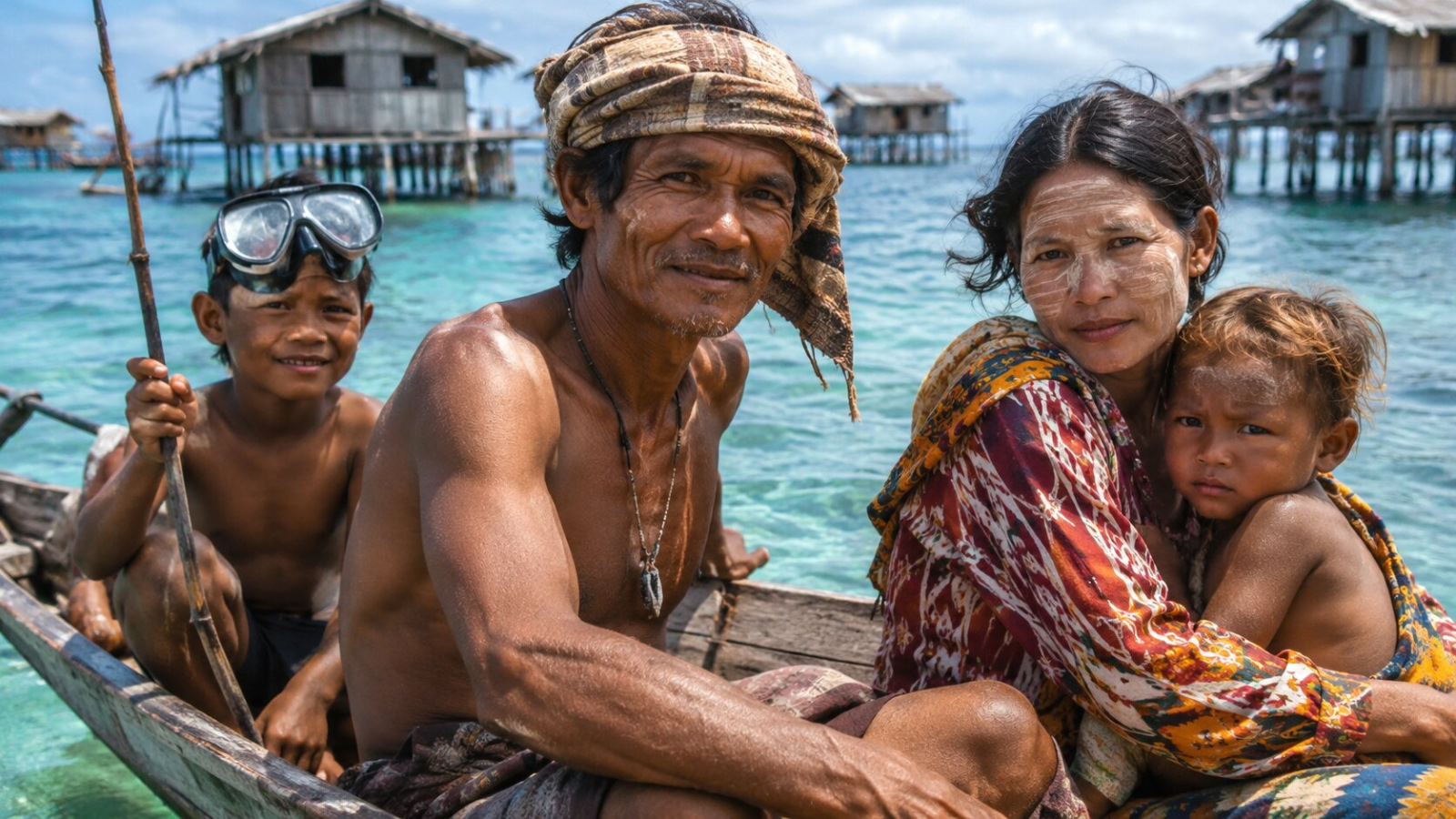
While an ordinary person relies on an oxygen tank when diving, some members of this community can catch fish and collect seafood only by holding their breath. They don't need modern diving equipment. In traditional hunting they use simple wooden goggles, weights and spears. Underwater they search for fish, octopuses, sea cucumbers or other creatures that provide them with food or income from sales.
According to a report by National Geographic – Sea Nomads Are First Known Humans Genetically Adapted to Diving some Bajau can stay underwater for up to approximately 13 minutes and dive to depths of around 60 meters. These are exceptional performances that have also captured the attention of scientists. For them, diving is not just a sporting activity or adventure. It is a method of obtaining food that is passed down from generation to generation. Children move around in the water from an early age, observe adults and gradually learn to navigate the marine environment.
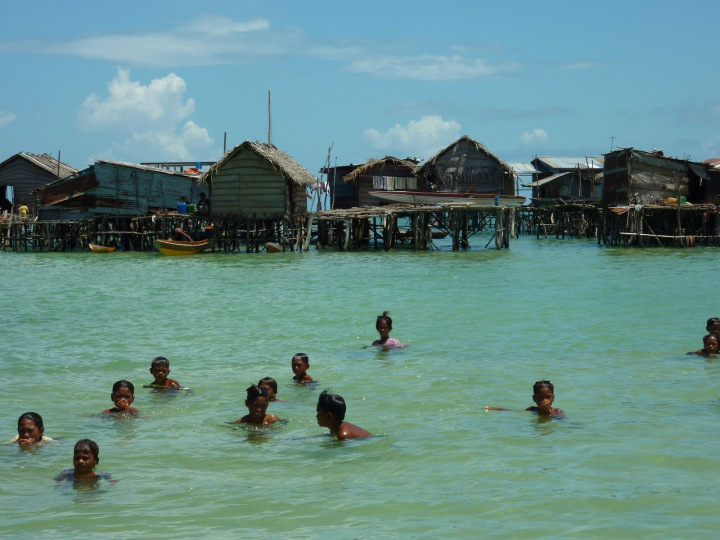
Their daily life is also written about by The Guardian in the report Nomads of the sea: stateless Bajau face up to a future on land. It describes families whose children explore shallow waters from an early age, searching for marine creatures. Adults, in turn, go out hunting with spears almost every day.
Scientists Were Surprised: The Bajau Have Larger Spleens Than Other People
However, their abilities are not solely the result of years of training. In 2018, scientists focused on whether the bodies of the Bajau had actually biologically adapted over millennia of a life connected with diving. Research published in the prestigious scientific journal Cell titled Physiological and Genetic Adaptations to Diving in Sea Nomads brought extraordinarily interesting findings. Scientists discovered that the Bajau have on average significantly larger spleens than a comparison group of people living on land.
Why is this important? The spleen functions, among other things, as a reservoir of red blood cells. When diving and holding one's breath, the so-called diving reflex is activated in the human body. Heart rate slows down, blood is redirected to the most important organs, and the spleen contracts, releasing an additional supply of oxygenated red blood cells into the bloodstream.
A larger spleen can thus provide the Bajau with an advantage during longer stays underwater. Furthermore, researchers have identified genetic variants that may have contributed to this adaptation.
The findings were so interesting that they were also written about in media around the world. Details were provided, for example, by the Euronews portal in the article How the Bajau sea people have adapted to life underwater.
However, this does not mean that every Bajau can hold their breath underwater for several minutes without preparation. It is an ability that depends on training, experience, health condition and individual physical predispositions.
Children learn to swim before many of them get to know life on land
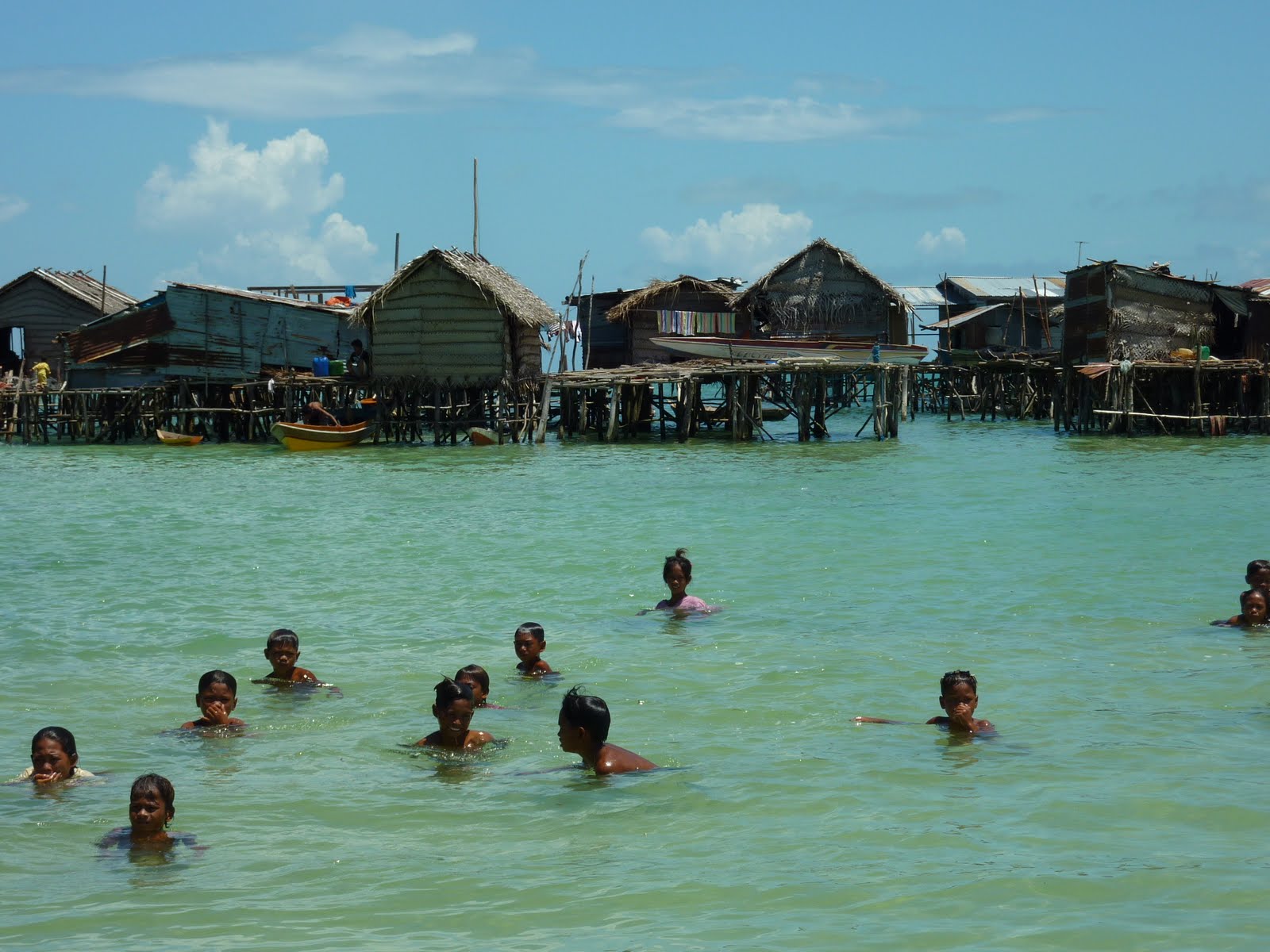
For a child born into a family of traditional sea nomads, the ocean can be their first great playground. While children in our regions grow up on playgrounds, in gardens or on housing estates, young Bajau children encounter water and boats from an early age. Some families move together and children learn to row, help with fishing and recognize marine animals. Water is not a foreign environment for them, but a natural part of everyday life.
Researcher Aireen Grace Andal addressed this topic in her study Nomadic boat-dwelling children of Southeast Asia: Discourses on the Sama-Bajau children, published in 2023. In it, she describes children who grow up on boats and accompany their parents while traveling between islands. Some engage in fishing from a very young age, while others live in communities that are more settled and their daily life is different. Interestingly, childhood at sea also brings experiences that most children in our regions cannot imagine. Young Bajau encounter various communities, languages, and coral reef environments. At the same time, however, they also face problems related to limited access to education and healthcare.
They don't feel at home on land. However, their world is slowly changing
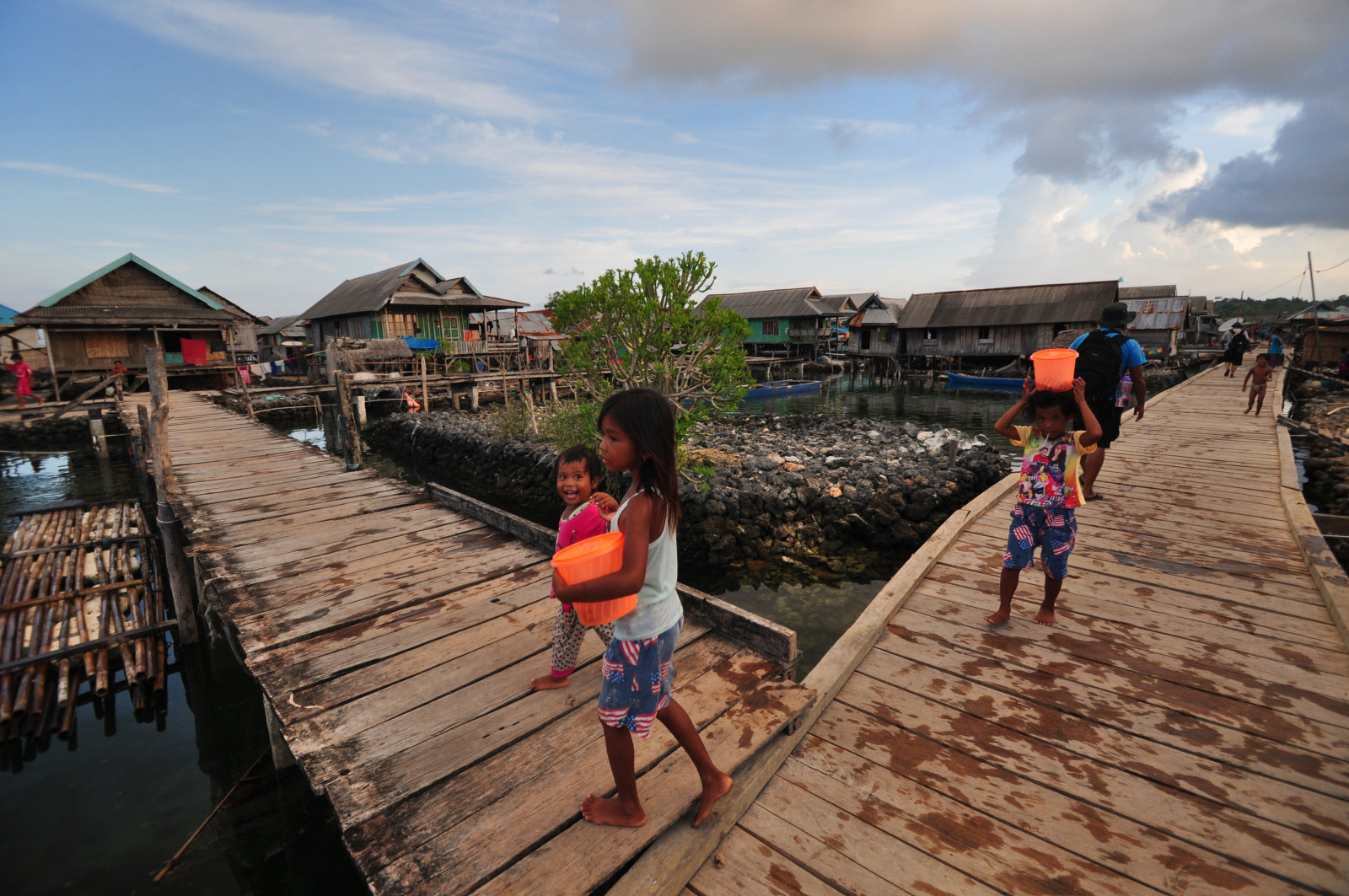
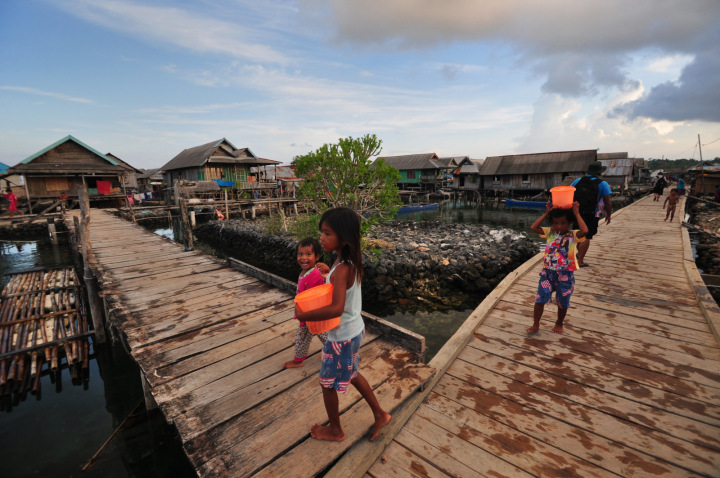
The idea that the Bajau cannot live on mainland is appealing, but not entirely true. Some communities have long since settled in coastal villages and their members go to school, work and use modern technology. Others still live in houses built on wooden stilts directly above the sea. And only a smaller part maintains the traditional nomadic life on boats.
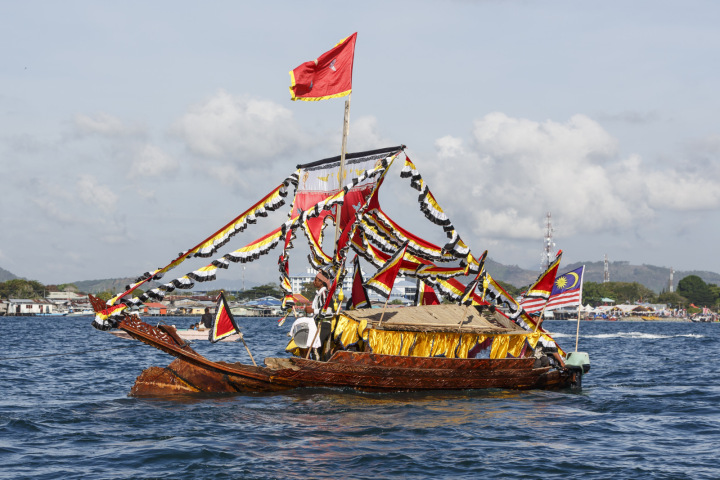
This difference is also explained by expert Julian Clifton in the study Maritime Ecocultures: Bajau Communities of Eastern Indonesia. According to him, many maritime communities have gradually settled over the past decades. Their way of life today represents a whole spectrum - from families who still live on boats to people living in ordinary mainland communities. The reasons vary. Declining fish stocks, dangers at sea, piracy, economic problems, or pressure from state authorities force many families to seek a safer way of making a living. Some have therefore moved into stilt houses or onto the mainland.
Changes are also written about by The Diplomat portal in the report Bajau: The Vanishing Seafarers of Southeast Asia. According to it, only approximately 100 to 200 sea nomads remain in traditional houseboats off the coast of Borneo. This figure refers to a specific area and cannot be applied to the entire Bajau population.
When they don't have documents, they don't have access to ordinary life either
Behind the romantic notion of life at sea lies a much harsher reality. Some of the Bajau face problems with citizenship and identification documents. Because their ancestors moved between islands and coasts of different countries for generations, some descendants have unresolved legal status. This can mean major complications. Without the necessary documents, children may not get into state schools, adults have limited opportunities for legal employment, and families have difficulty accessing healthcare.
This problem is also highlighted in a Guardian report, which captures the lives of specific families in the Sulu Sea area. People who can spend long minutes underwater and navigate the open sea may struggle on land with something as ordinary as enrolling a child in school. Their lives are also changing due to interventions in the marine environment. As fish numbers decline and conditions for traditional fishing worsen, families are losing the livelihood on which generations have depended.
Would you marry a man whose true home is the sea?
Let's return to the idea of a woman from our environment marrying a Bajau. Let's imagine their morning together. While she might want to have breakfast at the table and plan her day, her husband would already be checking the weather and preparing fishing equipment. Instead of going to the supermarket, they would head out to sea, and instead of returning to an apartment in the evening, they would anchor near another family. For someone from a modern city, such a life would mean a huge change. They would have to learn to function in an environment where everything depends on water, weather, and nature. On the other hand, they would experience a culture in which family and community traditionally rely on one another and where the sea is not merely a backdrop, but the foundation of existence.
Of course, not every Bajau lives on a boat today, and not every marriage means the bride must move to the sea. Many families have their homes, work, and daily concerns similar to ours. Nevertheless, the story of sea nomads remains one of the most remarkable ways of life in Southeast Asia.
And perhaps that's why the idea of a wedding with a Bajau is so fascinating. You're not just marrying a man, but also his culture, family customs, and a world where the ocean isn't a vacation spot. It's a home that entire generations have never wanted to leave.