I'm marrying a British prince. What is it like to marry "Harry"?


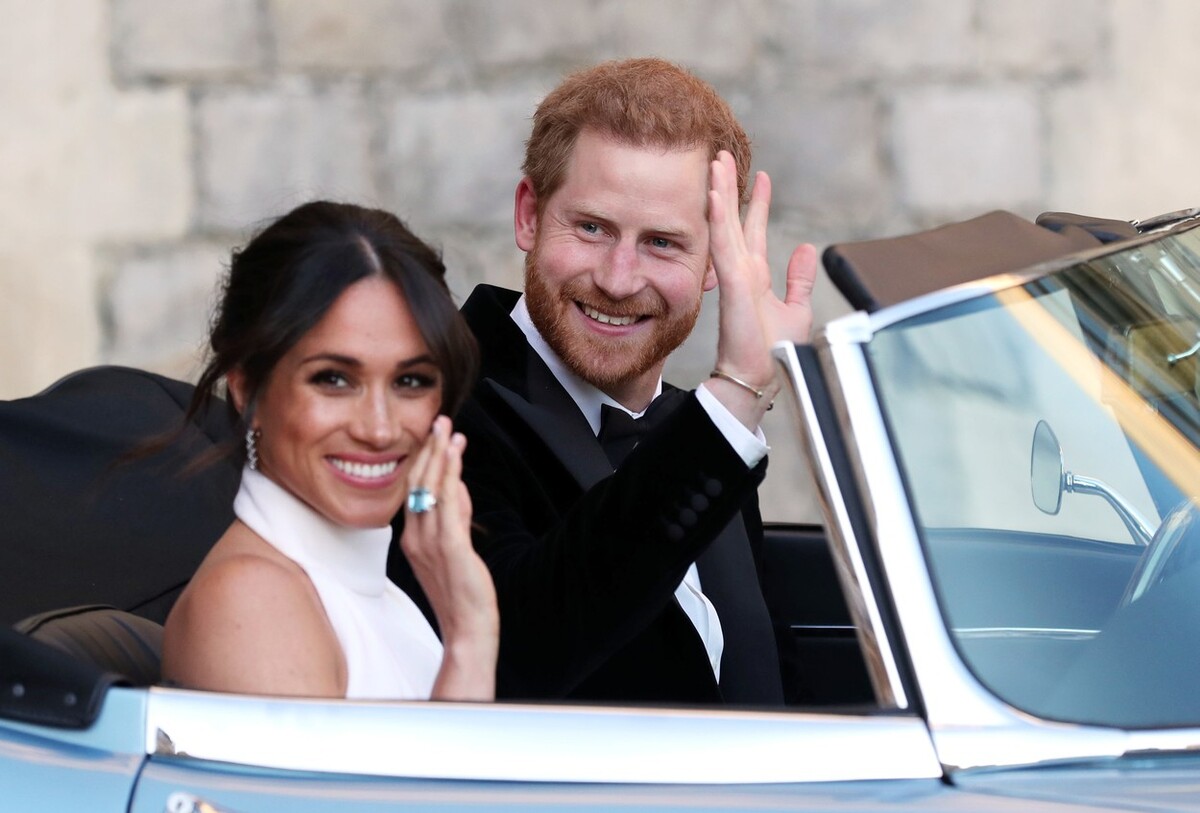
When the news of the death of Queen Elizabeth II, the longest-reigning monarch of the United Kingdom, spread around the world, many became more aware of the significance of royal traditions – and weddings are among the most visible ones.
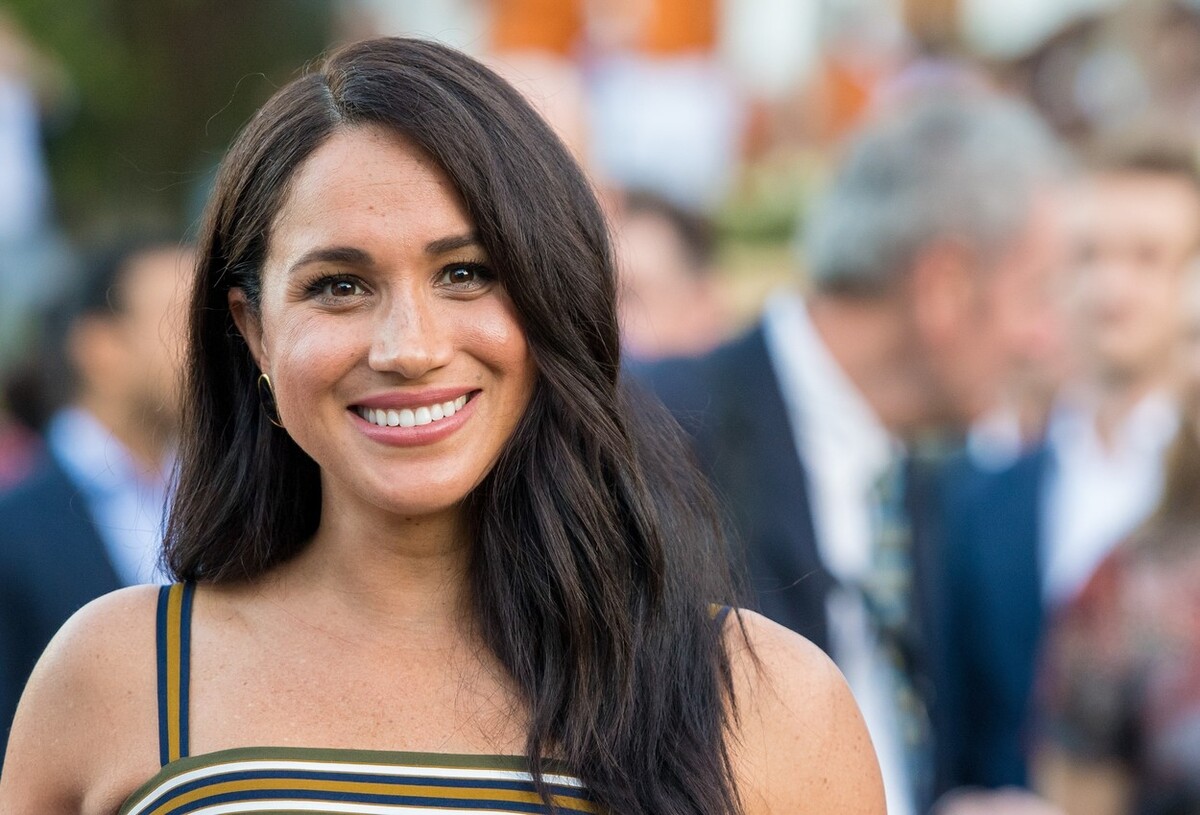
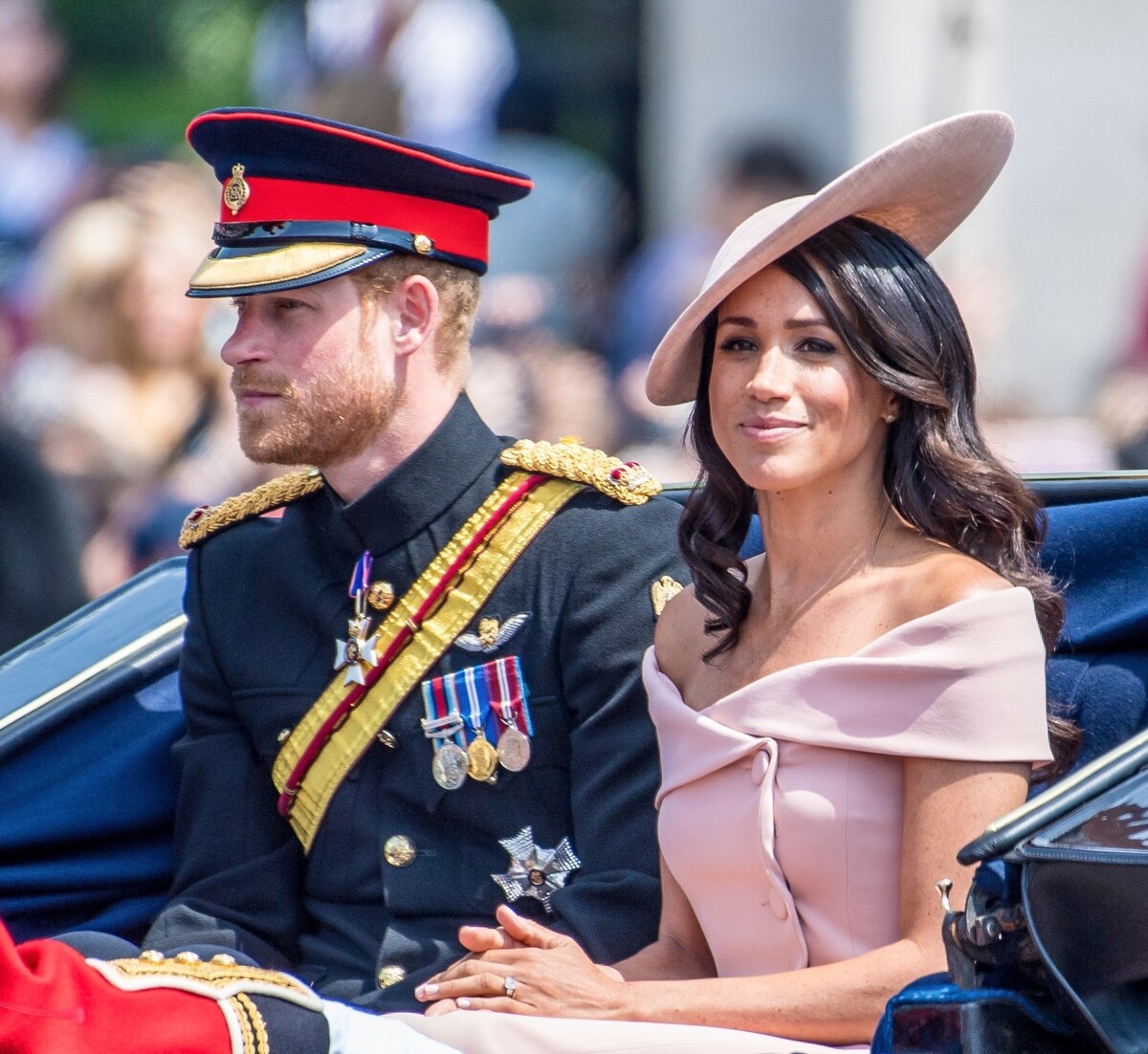
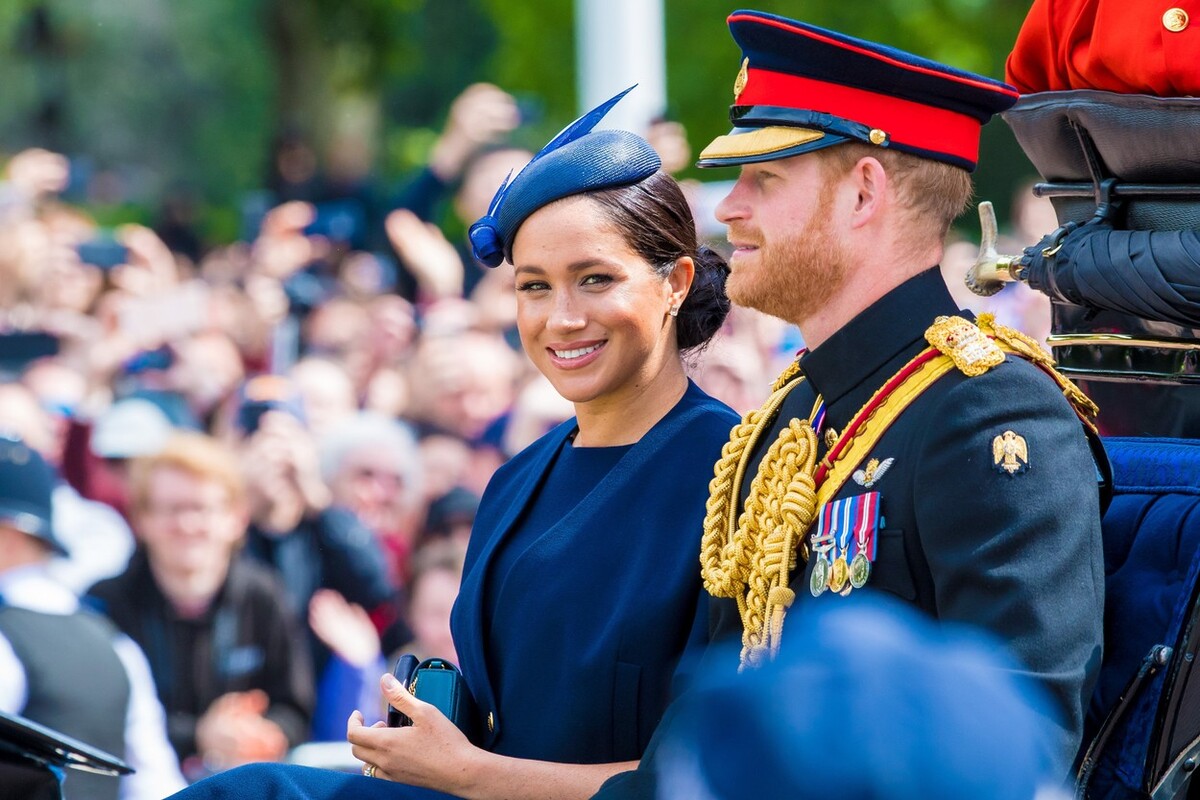
Just remember that when Elizabeth married Prince Philip, their wedding cake was approximately three meters tall and weighed more than two hundred kilograms. This detail alone indicates that this is not an ordinary event, but a historical moment watched by the entire world. And at the same time, proof that behind the pomp lies a precisely established system of rules that every couple must follow. Interestingly, the tradition of monumental wedding cakes persists to this day – often these are multi-tiered fruit cakes that are so durable that pieces of them are sent to guests as souvenirs even after the wedding ends.
Where does a prince even meet an "ordinary" woman?
If you think you'll meet such a man on the internet, reality is completely different. Members of the royal family do move among people, but it's a very specific environment – prestigious universities, charity events, diplomatic circles, or media environment.
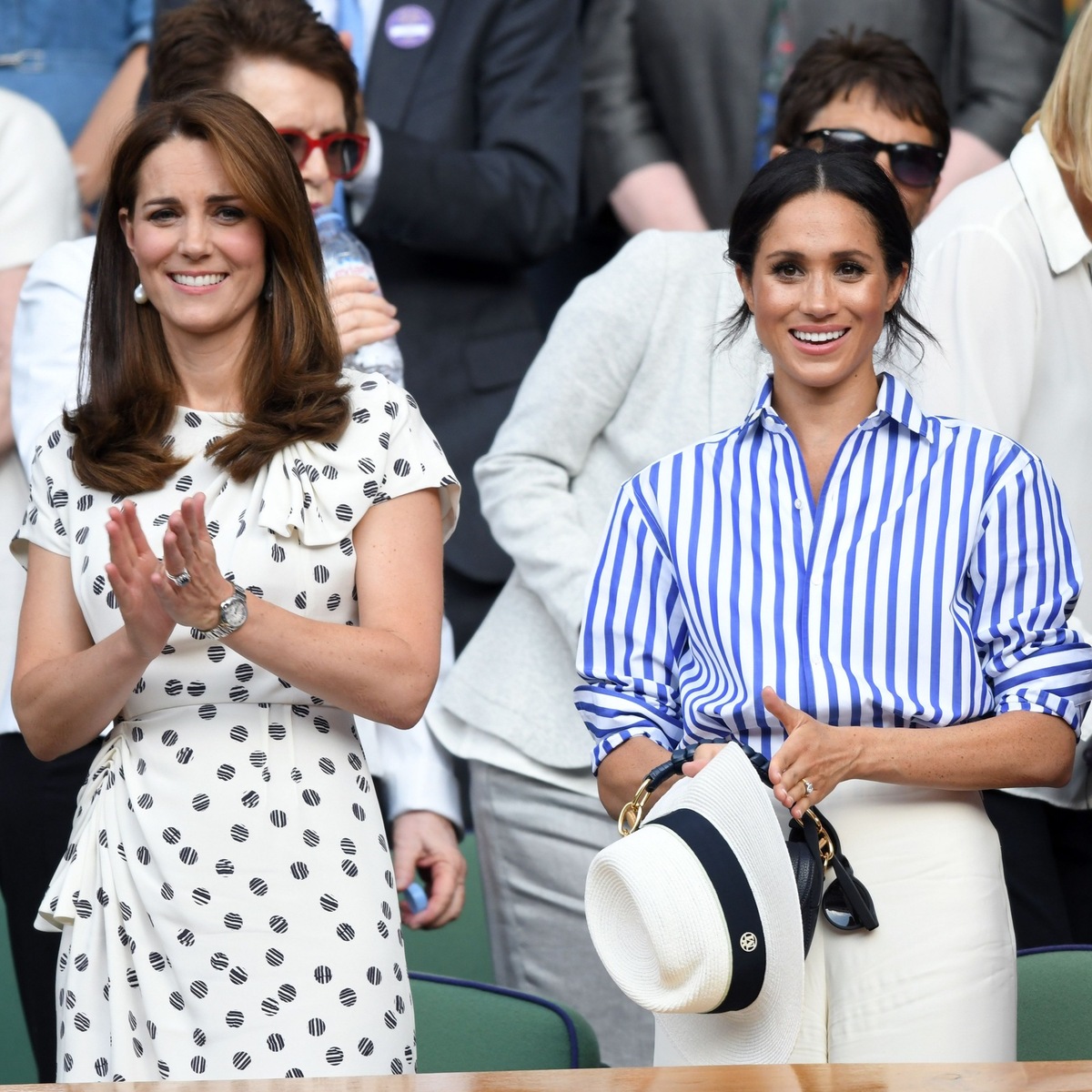
Kate Middleton met Prince William at the University of St Andrews, where they were classmates and their relationship developed slowly, over years, away from immediate public pressure.
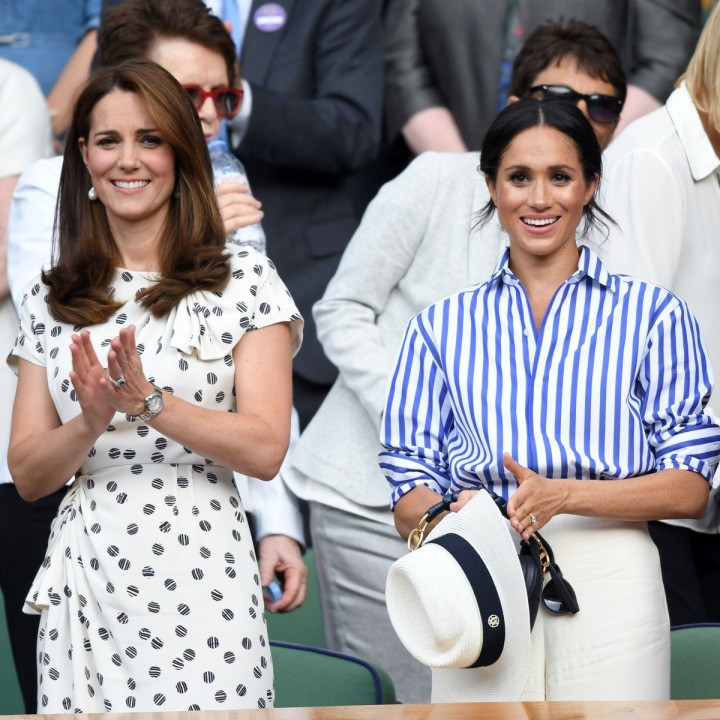
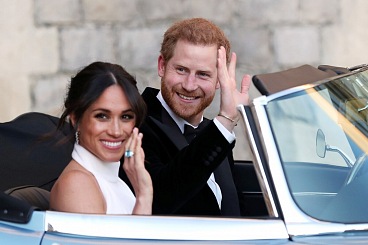
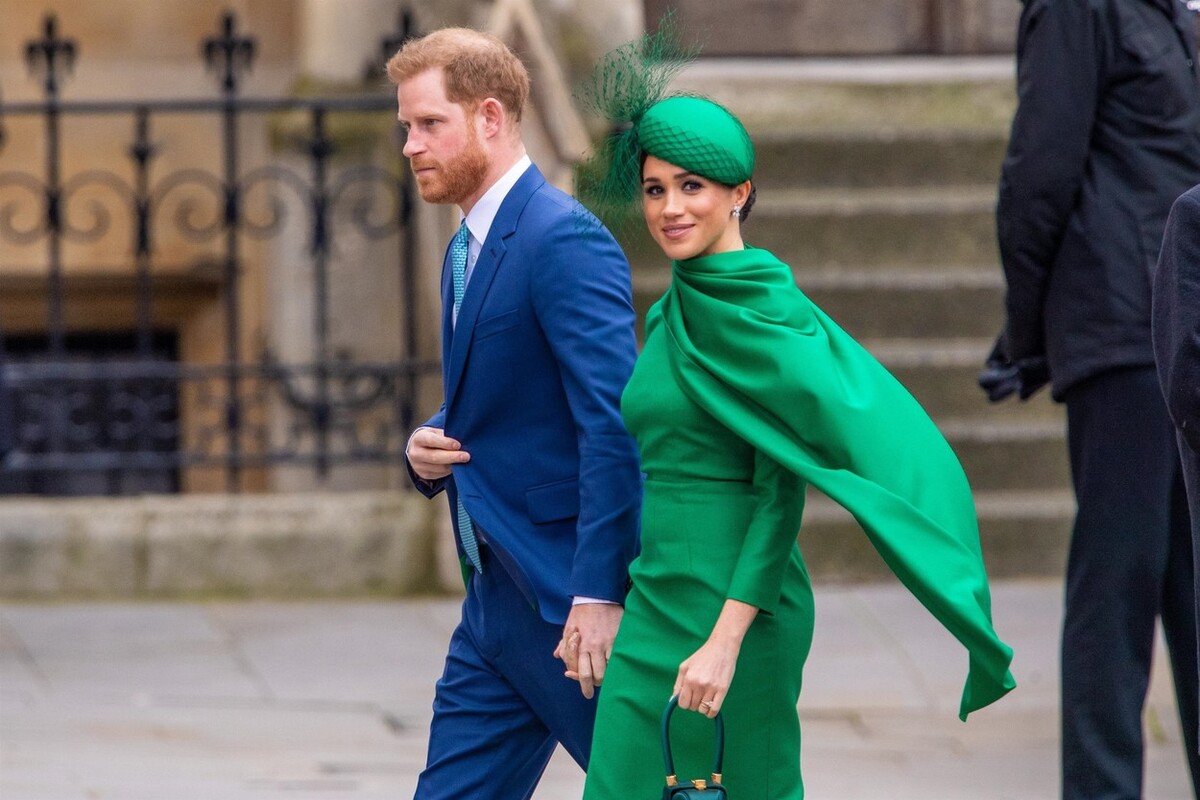
Meghan Markle was an actress from Los Angeles and she met Prince Harry through mutual acquaintances in London, which is also confirmed by a guide to their relationship published in the media, writes The Guardian. She was not the first American woman to enter the British royal family, but her story showed that even a woman from outside the aristocracy can enter this world – albeit at the cost of fundamental changes.

At the same time, although this world may seem more open today, historically it was extremely closed and strictly controlled, with the choice of partner being not just a personal matter, but also a political and social decision.
The beginning of a relationship: when love ceases to be private
At the beginning, you think it's a normal relationship. Messages, dating, time spent together. But the moment the relationship becomes public, everything changes. In Meghan Markle's case, the media pressure was so strong that Kensington Palace had to issue an official statement asking for respect for her privacy. Their engagement also symbolically further connected the USA and Great Britain, which the media described as strengthening the "special relationship" between the countries, writesThe Guardian. For the public, it's a romantic story, but for the couple, it's the beginning of life under constant scrutiny. It's also interesting that the engagement itself must be officially announced to the media and the public, which is further proof that it's an event that transcends the privacy of individuals.
Before the wedding, you must get permission to love
If a relationship reaches the engagement phase, one of the most fundamental things comes - official consent of the monarch. This principle has historical roots and today is enshrined in legislation.
According to the rules, the first six people in line to the throne must obtain the monarch's consent, otherwise they would lose their claim to the throne, which is explained in detail by UK Parliament - succession rules.
This consent is not just a symbolic "blessing". It is a formal state act. It is issued as a document called "Instrument of Consent", which is handwritten on parchment, contains the exact names of the betrothed and the official declaration of the sovereign's consent to the marriage, as stated in Royal.uk – Instrument of Consent. The document is prepared in the Crown Office, adorned with heraldic symbols and sealed with the great state seal, thereby becoming part of the state archive.
At the same time, this consent does not concern only the "yes" itself. The monarch approves a multitude of details - from the selection of the wedding dress to the final guest list, even the choice of tiaras, which may only be worn by married women. This is a system that dates back to a law from 1772, but was amended in 2013 so that today it applies to the first six people in line to the throne.
In other words, even before the actual marriage proposal takes place, the engagement itself must be "approved", which is a rule that has no equivalent in the ordinary world. This means that love in this case is not enough, it must also be approved and "legalized" at the highest level of the monarchy.
Transformation Before the Wedding
Here a fundamental difference between Kate and Meghan is shown. Kate Middleton had almost ten years to get used to media pressure, learn protocol, and understand how the monarchy works. Meghan Markle entered this world much more quickly and admitted herself that she didn't have any manual to follow. If a woman from the "ordinary world" marries a member of the royal family, she must undergo special preparation. It's an intensive training that prepares her for life as a "working member of the monarchy" - she learns social rules, etiquette, communication with the public, and security procedures.
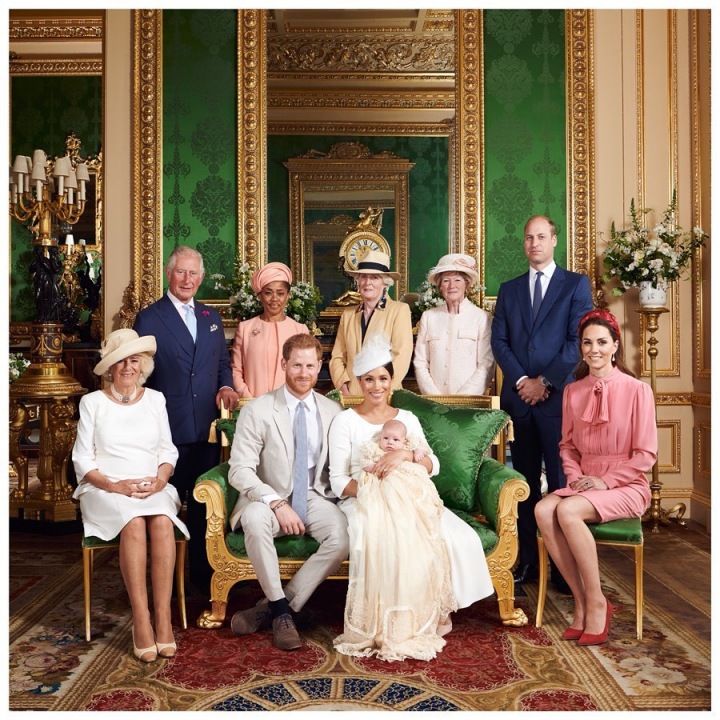
The changes are enormous. Increased security, constant public appearances, a multitude of events. And even things that a woman doesn't realize, for example the fact that members of the royal family traditionally do not participate in elections and do not express political opinions, which is also confirmed by BBC.
Part of this transformation is also the so-called "royal training" - informal but very intense preparation for public life, which includes not only etiquette, but also security protocols and communication with the media. This means that a woman who was used to freely expressing her opinion must learn to remain silent and adapt to a system that is older than modern democracy.
A wedding is a precisely planned event with rules
A royal wedding is not just a romantic moment. It is a protocol-driven event that has historical, religious and state elements. It is watched by millions of people around the world and thousands stand directly in the streets, as confirmed by official information Royal.uk. At the same time, there are several basic rules that repeat across generations and although they are gradually modernizing, their core remains the same. For example, wedding rings are traditionally made from Welsh gold and this material is extremely rare today because the original mines have been closed. An interesting fact is also that these rings are traditionally a gift from the monarch and this is a tradition that dates back to the beginning of the 20th century, specifically associated with the period of the Queen Mother. Equally unusual for an ordinary person is that the wedding procession is not made up of adult witnesses and bridesmaids, but primarily children - small bridesmaids and page boys, who symbolize the continuity of the family and monarchy.
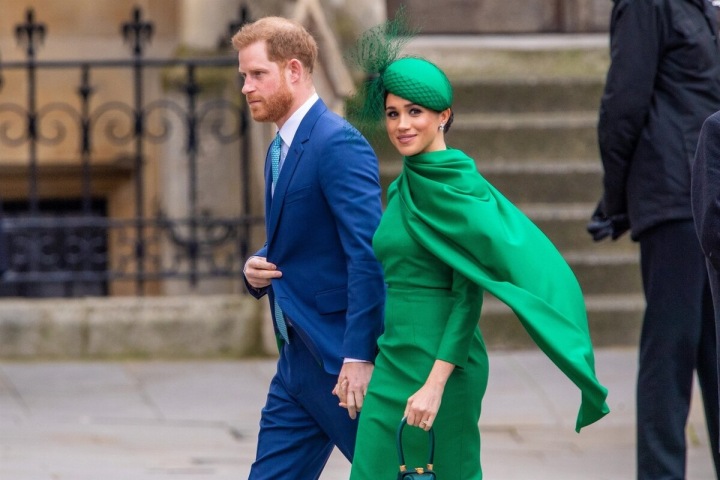
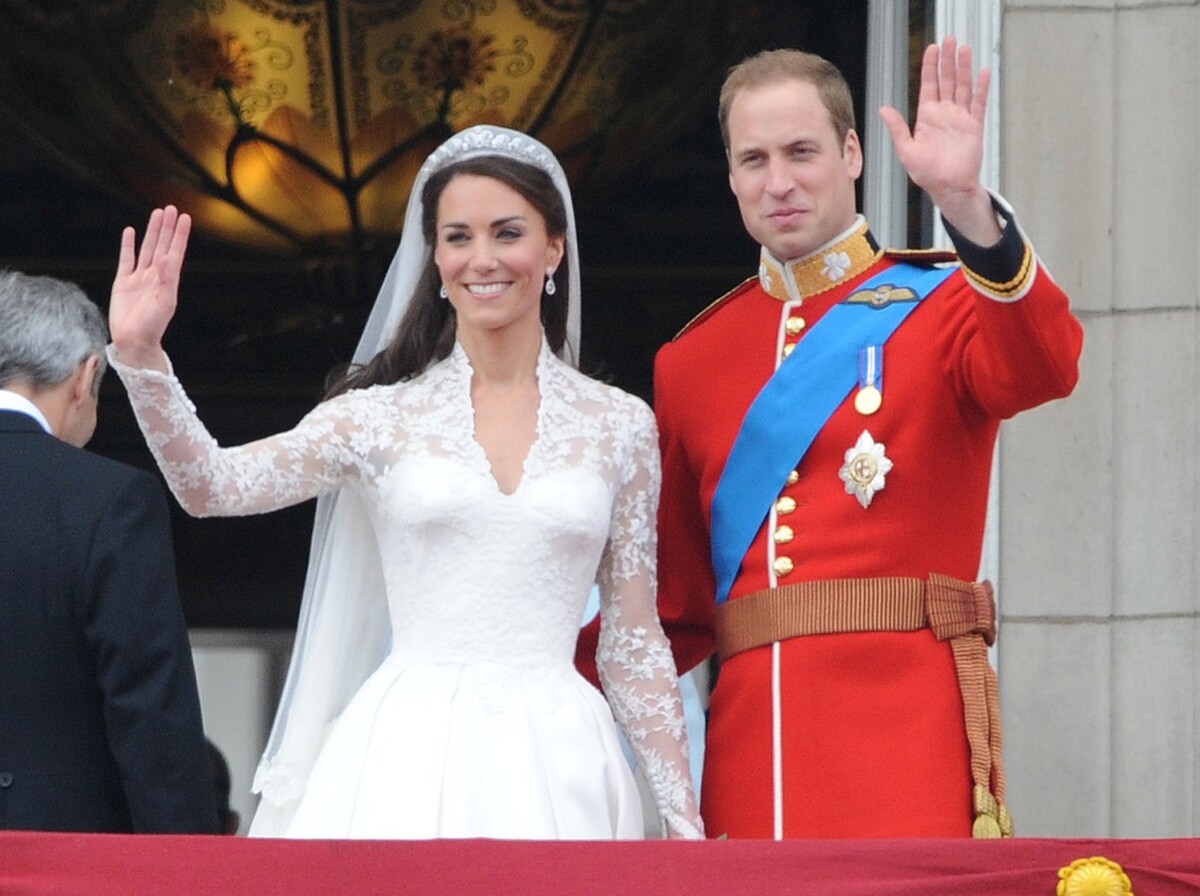
Even the choice of wedding dress has its rules. Traditionally, it is expected to be designed by a British designer, for example Kate Middleton had a dress by Sarah Burton for Alexander McQueen and Princess Diana by the Emanuels. Meghan Markle partially adhered to this custom when she chose a British designer working for the fashion house Givenchy.

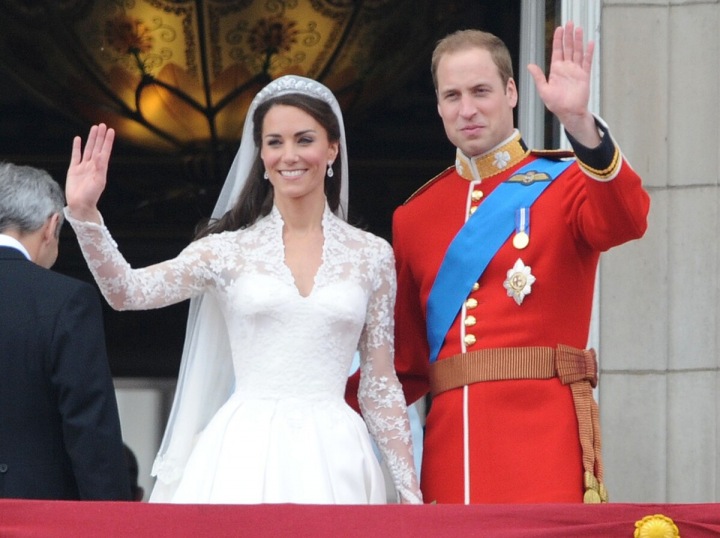
An interesting element is also that men from the royal family often wear military uniforms at weddings, which is related to their service in the army and the honorary ranks they hold during their lives.
Wedding Traditions During the Ceremony
Royal weddings are not just about protocol, but also about powerful symbols that have been repeated for generations. One of the most distinctive traditions is the aforementioned use of Welsh gold for making rings. This custom dates back more than a hundred years and today it is an extraordinarily rare material, because the original mines no longer operate and supplies are limited, writes Royal.uk.
An equally strong symbol is represented by myrtle in the wedding bouquet. This custom originated in the time of Queen Victoria and is still observed by all royal brides to this day, including Kate and Meghan. The plant symbolizes love, innocence and fertility and comes from bushes cultivated for more than 170 years at Osborne House. An interesting fact is that the myrtle is not added to the bouquet randomly - it is a specific sprig from a historic bush that has been passed down through generations and symbolically connects brides across time.
Added to this is also a historic gesture connected to the Tomb of the Unknown Warrior in Westminster Abbey. The tradition was established by the Queen Mother, who laid her bouquet on the tomb in memory of those fallen in war. Modern brides maintain this custom, although they often move it to the end of the ceremony.
Part of the traditions is also the emphasis on official photographs, which are taken between the ceremony and reception and serve as a historic record of the event. Since the time of King Edward VII, royal weddings have been systematically documented and photographs have become part of public memory.
An interesting historical element is also the use of orange blossom, a symbol of purity and innocence, which was made famous by Queen Victoria. This element gradually became a standard of wedding fashion throughout Europe.
A less known but all the more interesting tradition is the ceremony itself. In some important Anglican church cathedrals, for example, the classic wedding kiss during the ceremony is not allowed because these are sacred spaces. This is precisely why the famous "balcony kiss" moment was created, which takes place only after the ceremony ends in front of the public.
Etiquette and Guests
Etiquette at the royal court is among the strictest in the world and affects not only behavior, but also fashion, communication, and small gestures that an ordinary person wouldn't even notice. For example, during official events, including weddings, mobile phones are not used - guests may have them with them, but must not use them so as not to disrupt the course of the ceremony. Equally strict are the dining rules - as soon as the monarch finishes eating, everyone else must stop eating. Public displays of affection are limited, autographs for fans and selfies are practically forbidden, and family members must remain politically neutral.
Even guests have a precisely defined dress code. Women wear hats, but not too extravagant ones, tiaras are reserved only for married women, and men follow formal protocol - often uniforms or a precisely specified type of suit.
Remember, being a guest at a royal wedding is not just an honor - it is also a great responsibility, writes Etiquipedia. At the wedding of Prince William and Kate Middleton, approximately 1,900 guests received a detailed, 22-page etiquette guide. It contained precise instructions, from clothing to how to hold a teacup.
For example, the following applies:
• women must not wear white or cream dresses,
• shoulders should be covered, bold outfits are inappropriate,
• a hat is almost mandatory,
• mobile phones must remain switched off – no photos or social media,
• guests should arrive at least 20 minutes early.
And what about the Queen?
No hugging. No touching. She offers her hand first. She is addressed as "Your Majesty" and in further communication "ma'am".
Even the staff have their rules and must not look at members of the royal family, must not speak to them, and must act discreetly.
At the same time, there is a whole set of detailed rules that guests must strictly observe:
• gentlemen must not keep their top hat on in church - the hat is held in hand,
• men must wear formal attire - morning dress, formal suit, or military uniform,
• women must wear appropriate dresses for church - covered shoulders, no miniskirts or prominent cleavage,
• trouser suits are inappropriate,
• white and cream color is reserved exclusively for the bride,
• when meeting the monarch, one must not speak first - communication begins from their side,
• the Queen should not be touched and you shake her hand only if she offers it,
• when addressing her, "Your Majesty" is used and subsequently "ma'am",
• mobile phones must remain switched off,
• photographing the monarch during the ceremony is inappropriate,
• no social media posts or "tweeting" during the ceremony,
• hands should remain calm at one's sides, gesticulation is considered inappropriate,
• some gestures that are common elsewhere (e.g. "thumbs up") may appear offensive,
• at the reception, cultured behavior is expected - no overeating or excessive alcohol consumption,
• staff must be absolutely discreet, must not make eye contact, and should move quietly.
Even dining has its rules, cutlery is used from the outside in, champagne glasses are held by the stem, and a teacup is lifted without the saucer.
Etiquette in Fashion: When Even Nails Have Rules
Etiquette in the royal family concerns not only behaviour but also appearance.
For example:
• no bold nail polish - subtle, neutral shades are preferred,
• trousers are not welcome at formal events (although they are tolerated for sports),
• high heels should be discreet,
• handbags have a practical function - they help, for example, to avoid shaking hands
Details You Wouldn't Expect
Royal weddings also have many lesser-known rules:
• guests are seated according to rank, not relationship,
• men often wear military uniforms,
• the wedding cake is traditionally fruitcake and is sent to guests as a souvenir,
• the bride's arrival and departure is often associated with historic carriages or luxury cars,
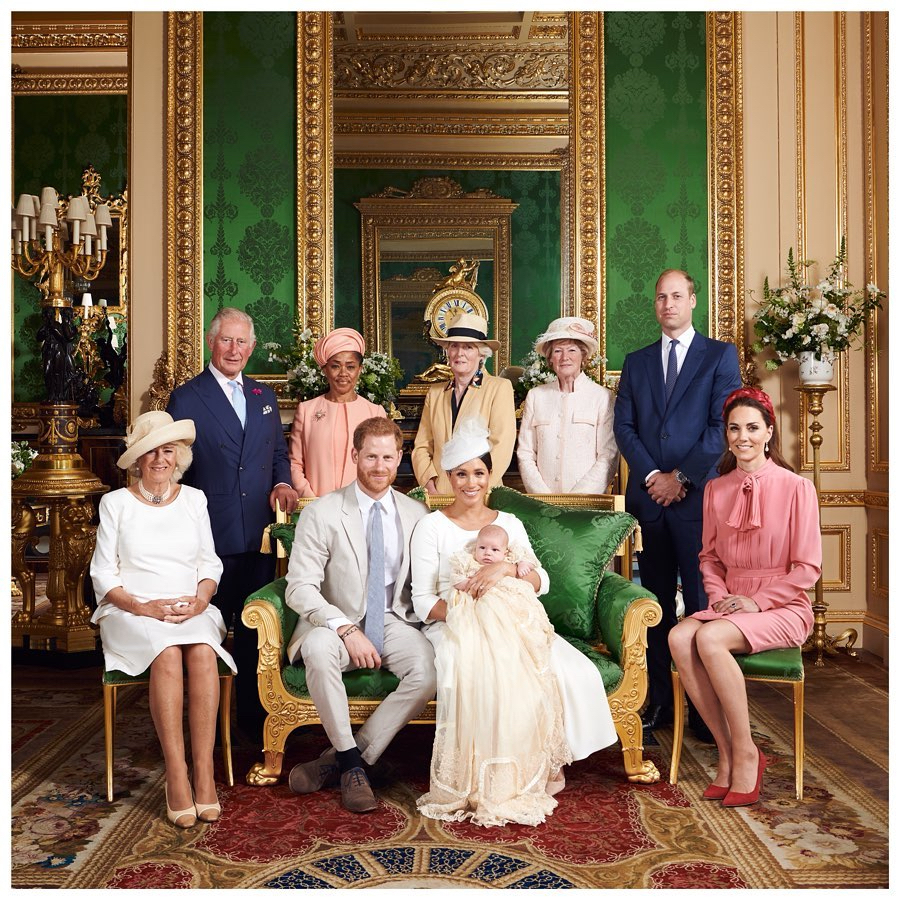
• the family takes an official portrait photo at the palace after the ceremony.
Even the choice of venue itself has tradition, often it is Westminster Abbey or St. George's Chapel at Windsor.
Bachelor/Bachelorette Parties and Gifts
Even the royal family has their "bachelor/bachelorette parties" - they're just called something different and tend to be much more discreet. And gifts? Those aren't mandatory, but a certain level is expected, often involving symbolic or charitable donations.
Titles: why Meghan isn't "Princess Meghan"
After the wedding comes the question of titles, which is confusing for many. Titles in the British monarchy are precisely defined by historical documents and rules, which are explained on the College of Arms website.
Meghan Markle did not become "Princess Meghan", but the Duchess of Sussex, because the title of princess belongs to women born into the royal family or is tied to the husband's name.
So... is it realistic? Yes. Meghan Markle and Kate Middleton prove that even an "ordinary" woman can become part of the royal family. But their stories also show something else. One adapted to the system, the other left it. And that is the greatest truth. When you say "I want to marry a British prince", you are actually saying: I am prepared to give up part of my life in exchange for a life that belongs to the public.
Source: author's text, The Guardian, UK Parliament, BBC, Royal.uk, Etiquipedia, College of Arms