How Prague Pride Stopped Shocking: From a Culture War to a Regular Prague Festival
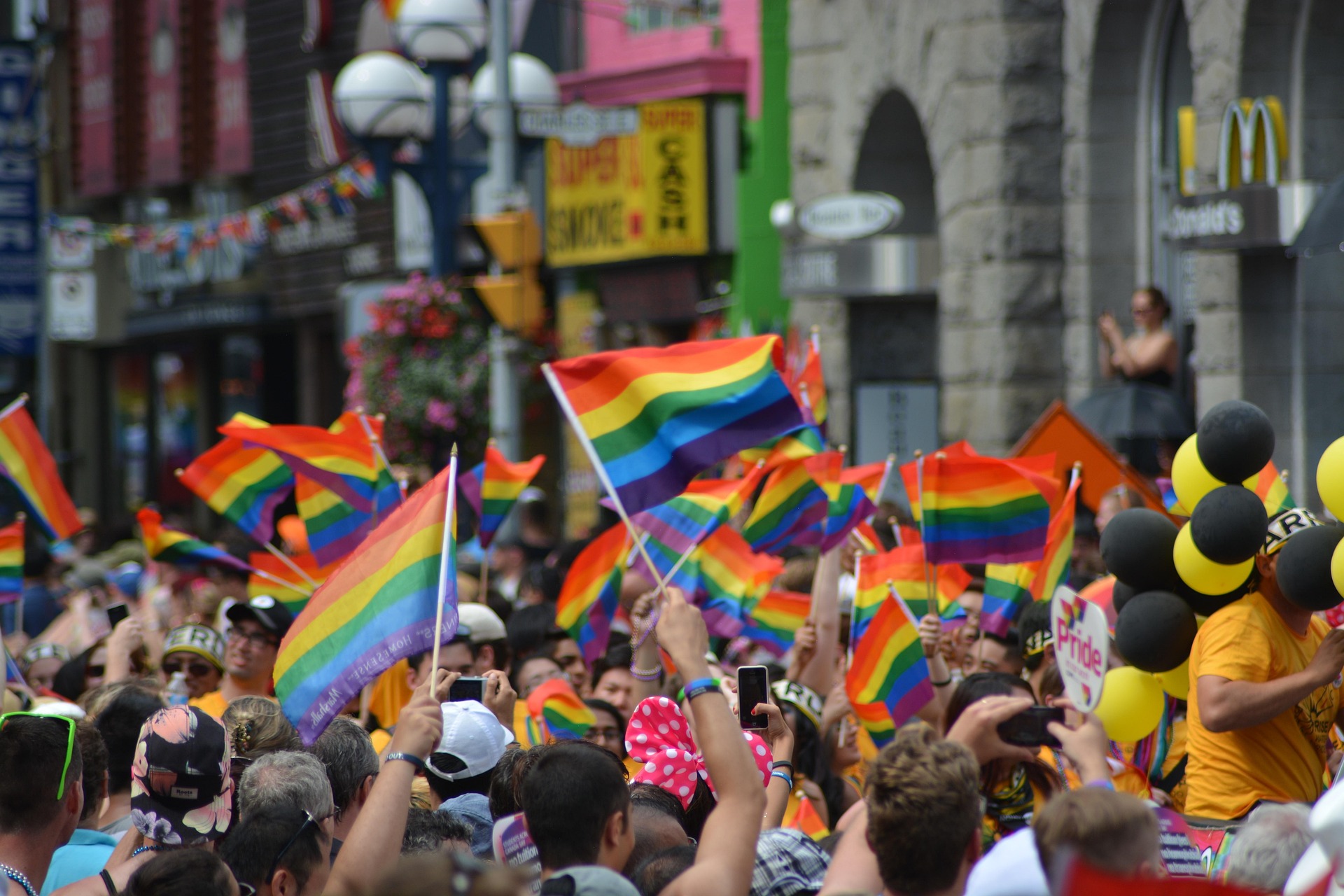
Today, Pride has become a regular August event for many Prague residents. Colorful parades, concerts, debates, and rainbow flags in the streets no longer surprise anyone as they did fifteen years ago. However, when the first festival took place in 2011, it became one of the most discussed social topics of the year. How did an event that sparked sharp political reactions become an occasion many people now view as a part of the August calendar?
When Prague Pride was a political bomb
Even though the Prague Pride has already become ingrained in our consciousness, it wasn't always like this. When Prague Pride was organized for the first time fifteen years ago, it provoked sharp reactions from parts of the political scene. Most notably, the then-President Václav Klaus opposed it, criticizing not only the festival itself. "The Prague 'Prague Pride' is not an expression of homosexuality, but of homosexualism, which I – just like many other fashionable 'isms' – very much fear," Klaus stated at the time Klaus.
In its early days, Prague Pride was not perceived as a cultural event, but mainly as a symbol of a broader debate about the position of LGBT people in society. Organizers talked about visibility and equal rights, and opponents saw the event as a political manifesto. This clash caused the first edition to attract significant attention from both the media and the public. Although Pride continues to face criticism, it is no longer such a major controversy.
A Festival Meant to Showcase Visibility
Despite the criticism that the organizers received in the early years, they maintained a clear stance on what Prague Pride was supposed to mean. According to the organizers, the festival was meant to be much more than a demonstration or celebration of identity; it was to be a platform for discussing the status of LGBT people in Czech society, educating the public on these topics, and showing people that they are not alone. On the Prague Pride website, it is stated that it is a human rights event aimed at contributing to the improvement of the status of LGBTQ+ people and supporting an open and respectful society.
Alongside the traditional parade, the festival has offered debates, cultural programs, film screenings, and meetings with experts from the very beginning. Participants have the opportunity to engage in open discussions about the everyday experiences of LGBT people.
In recent years, we have encountered criticism from people who claim that Pride is "already" an unnecessary relic and that these discussions occur without it. However, we cannot forget that the integration of topics related to equality and the status of people with different orientations owes much to the festival. It succeeded in opening a debate that gradually shifted from the fringes of society to the mainstream of public life.
How the Debate Has Shifted
The most interesting change in Prague Pride is not the number of visitors or the size of the program, but what is being discussed today. During the first year, there were debates about why such a festival was needed at all. Today's debate focuses on more specific questions. The public and politicians are addressing issues such as the nature of marriage for same-sex couples, child adoption, or the status of transgender people.
This is reflected in the development of Czech legislation. Since 2025, an amendment to the Civil Code has been in effect, which introduced partnerships for same-sex couples. This grants most of the rights that married couples have. An exception remains, for example, the possibility of joint adoption of a child. Fifteen years ago, similar topics were on the sidelines of public debate, today they are being decided in the Chamber of Deputies.
However, this doesn't mean that there's complete agreement around Prague Pride. The festival still becomes the target of criticism from conservative organizations, politicians, and even regular people. The difference is that it is no longer a symbol of an unknown phenomenon that arouses fear. Today, they tend to criticize specific aspects of the festival rather than the concept itself, whether it be about whether the festival should be funded from public sources, the public display of sexuality, the involvement of large companies, and many other issues.
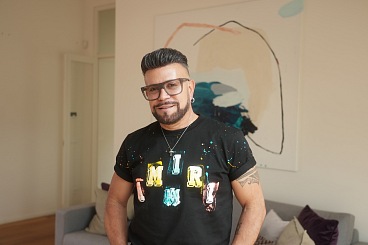
For example, designer Osmany Laffita, who openly acknowledges his homosexual orientation, expressed his opinion last year on his Facebook:,, I don't understand this whole thing with PRIDE. We fought for 30 years to be accepted, integrated into society, to be seen as equals, and then we have this PRIDE, which is as far from integration as it gets. Personally, I don't understand what benefit we have from walking down the street in underwear?‘‘
From Cultural War to Meeting Space
The story of Prague Pride is an example of how Czech society has transformed over a few years. When the first Prague Pride was held in 2011, it elicited strong reactions from politicians and the public. Today, the festival is a part of the Prague summer and, besides the well-known parade, it attracts visitors to debates, cultural programs, or as a space for people with different experiences and opinions to meet.
Prague Pride still faces criticism from some of the public or certain politicians. However, unlike in the past, disputes generally do not concern the very existence of the festival but rather specific themes and forms of its program.
This illustrates how his position has changed over the past fifteen years. While previously organizers had to justify why such an event was even initiated, today the debate is mainly about what form it should take and what topics it should address. This event demonstrates that public space belongs to all of us, regardless of how we differ from others.