Straight up: Beware, migration reminded of the situation in Ceuta. The cursed migration pact helps Czechia more than Okamura's videos.


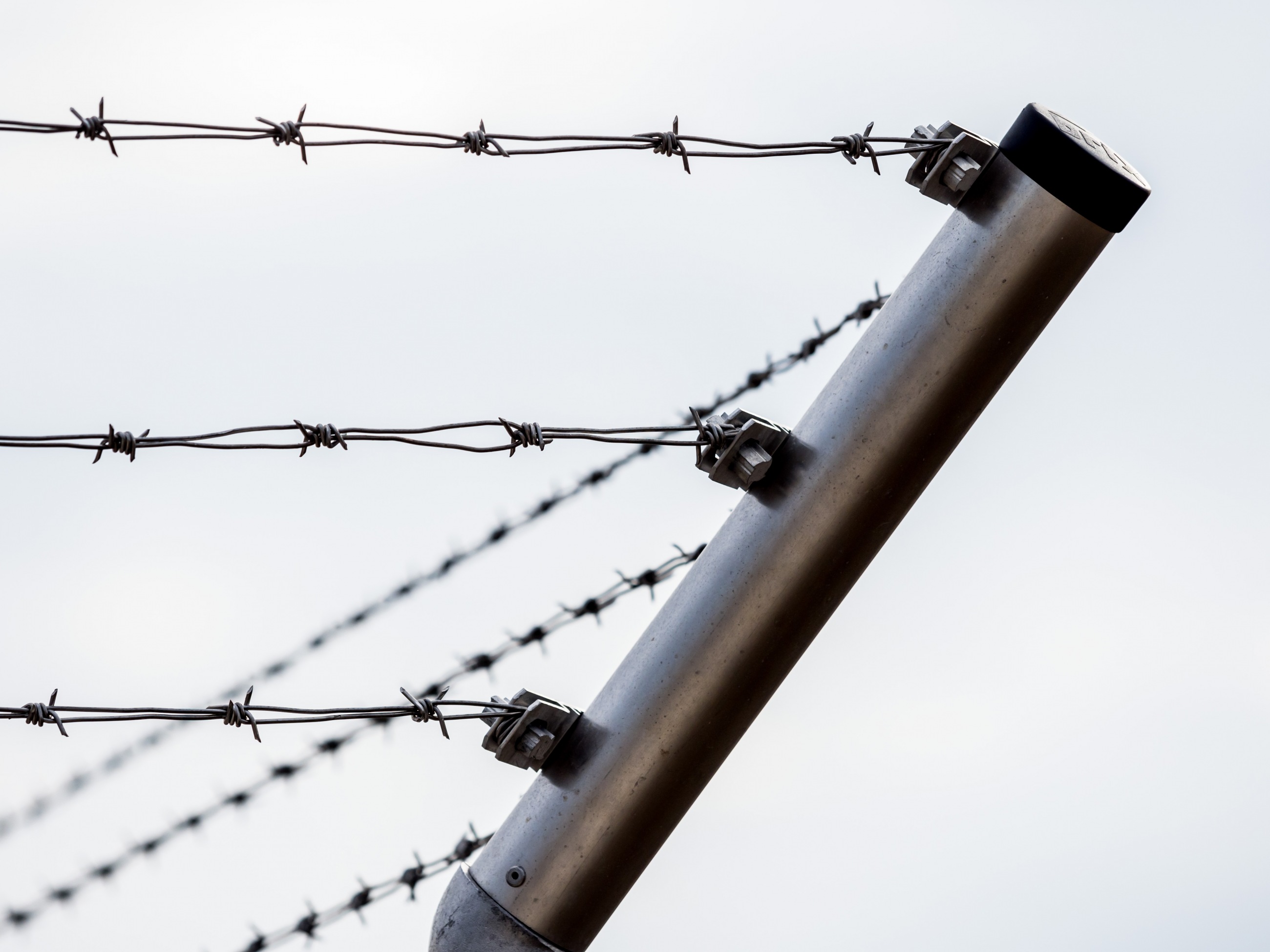
Every cloud has a silver lining. The migration wave that reached the borders of Spain on the beaches of Ceuta not only brought about an educational opportunity in geographical knowledge concerning what an enclave and an exclave are, but also a chance to reflect on who in the Czech Republic has taken steps towards addressing today's pressing issues with migration.
Ceuta is an exclave of Spain because, although the area is geographically separated from the parent country, it is not completely surrounded by the territory of another state (it would then be an enclave), which are terms often confused.
The Czech Republic does not have any exclave, so the term is not very familiar to us. Until recently, there were not many migrants in the country either, so their role in our society could only be theorized. This changed with the war in Ukraine, when a massive wave of refugees came to escape the cruel war unleashed by the criminal regime of Vladimir Putin.
The Solution to Migration Has Surprising Resources
What happened with that massive wave? Although significantly more Ukrainians came to Germany (about 1.3 million) and Poland (about 950 thousand) than to the Czech Republic (less than 400 thousand), given its size, the Czech Republic was relatively the most burdened country in the entire EU.
As we see in the context of Ceuta, European politicians have again begun to emphasize the necessity of solving the problem. The Czech Republic, which is still facing the Ukrainian migration wave, is aided by a migration pact that the previous government contributed to. Yes, you heard right. Thanks to agile negotiations regarding key European legislation aimed at reducing migration, the Czech Republic did not have to make any significant contributions to the common treasury nor redistribute migrants (the so-called hellish quotas). It is itself a country affected by the problem.
Moreover, our country benefits from the influx of Ukrainians because they helped fill the black hole in long-term shortage job positions. Hyper-industrialized Czech Republic desperately needs a workforce. However, Ukrainians did not start working on their own. They were not admitted into the domestic social system (unlike in Germany), which was an initiative by the Christian Democrats at the Ministry of Labor and Social Affairs. Yes, that same party of church Sunday enthusiasts.
Neither KDU-ČSL nor STAN (party chairman and former Minister of the Interior Vít Rakušan was involved in the adoption of the migration pact) are known as so-called anti-migration parties, yet they have accomplished significant work. The media image is far from everyday reality, but we know significantly worse cases of addressing pressing migration issues from Germany, Sweden, or the United Kingdom. Migration is not just about the money that new blood will bring if they start working hard here, which is by no means automatic. There are question marks hanging in the air over the crime rates of the newcomers.
"In the future, this will be an enormous, unbearable, and unmanageable security risk. Import of terrorists. Formation of ghettos. Accepting refugees unable and unwilling to integrate. Health and epidemiological risk. With millions of refugees, certainly not negligible. This is not a matter for public debate. That is why we pay for law enforcement and other agencies. Let them stop snooping in our bedrooms and indulging in intimate eavesdropping and focus on our security!”
Warned back in 2015 in a commentary on Dotyk.cz former Prime Minister Mirek Topolánek.
Is the police doing enough about migrant issues?
He reminded us of an important point. The police, and possibly the army or counterintelligence, should oversee safety. Police officers are not paid from taxes to doze off in cars or enjoy life thanks to collecting retirement benefits. They are supposed to ensure safety. If in Germany there are pools where locals are afraid to go because gangs of newcomers are running wild, what are they paying the police for? For example, in Bornheim, the problem was resolved by banning entry by city authorities, simply repression.
We have some catching up to do here as well. Although the mentioned Vít Rakušan has contributed to raising the salaries of police officers, when was the last time you saw a member of the PČR acting preventively (read: patrolling diligently) outside of Prague? Municipal police officers are not counted this time.
"More than 11 years have passed, and I'm asking all those Babiš figures, what have they done about it?" we are borrowing Topolánek's comment from X once again. For fairness, it must be added that Tomio Okamura has long been riding on anti-immigration rhetoric. The mentioned politicians have been in politics for over 15 years and are leaders of government parties. We've seen their posters and videos scaring about migrants occupying cottages. Real solutions only came from the evil EU and the evil bureaucrats at the ministry.
They are far from perfect, but if Okamura were handling the Ukrainian wave of migrants or the situation in Ceuta, would another video filled with angry latent racism help? There's an even bigger difference between anger and resolution than there is between an exclave and an enclave, so be careful not to confuse the terms!
Sources: author's text, commentary, ČT 24, ČRo, X, Migration Consortium, YouTube