I'm Taking a Dubai Man: I Said the Shahada... and Only Then Did I Understand What I Actually Signed


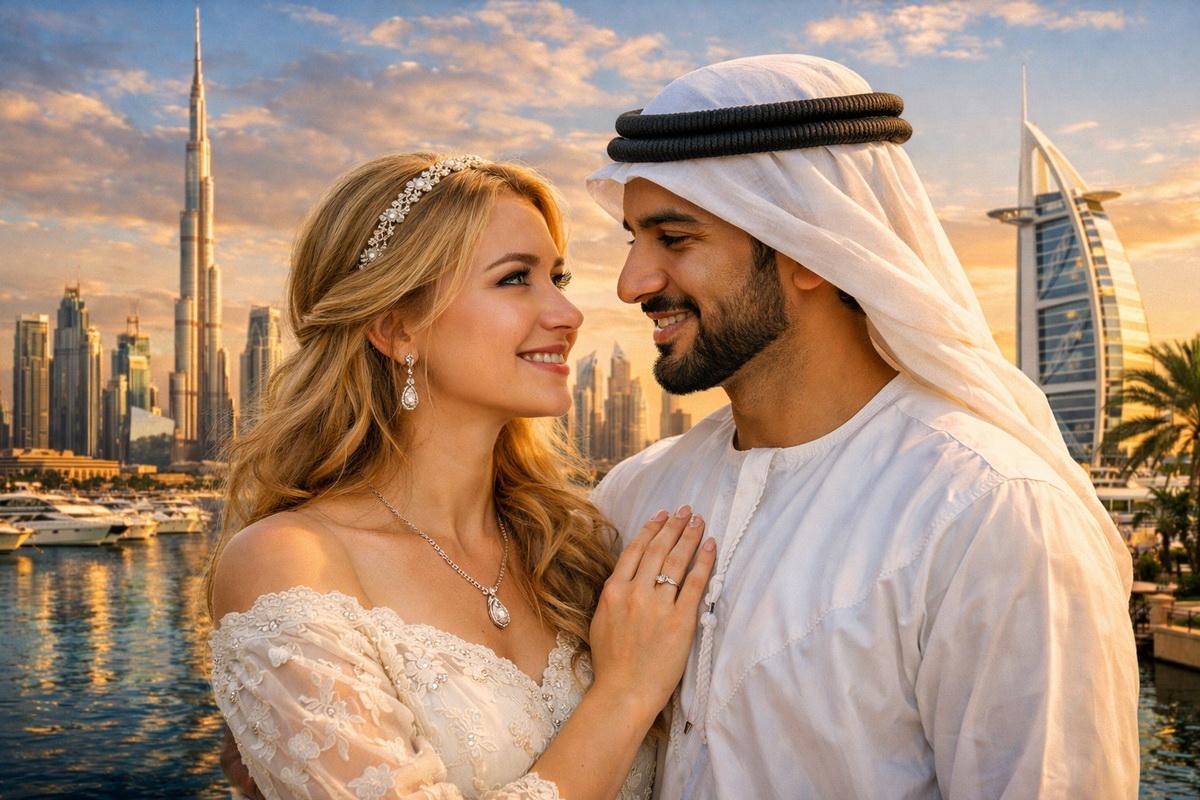
For many women from Europe, the idea of marriage to a local man is synonymous with security and comfort. However, behind this image exists a reality that is much more complex and primarily governed by rules: legal, religious, and social. These often only fully manifest after the wedding, and that is precisely when the moment comes when the romantic notion collides with everyday life.
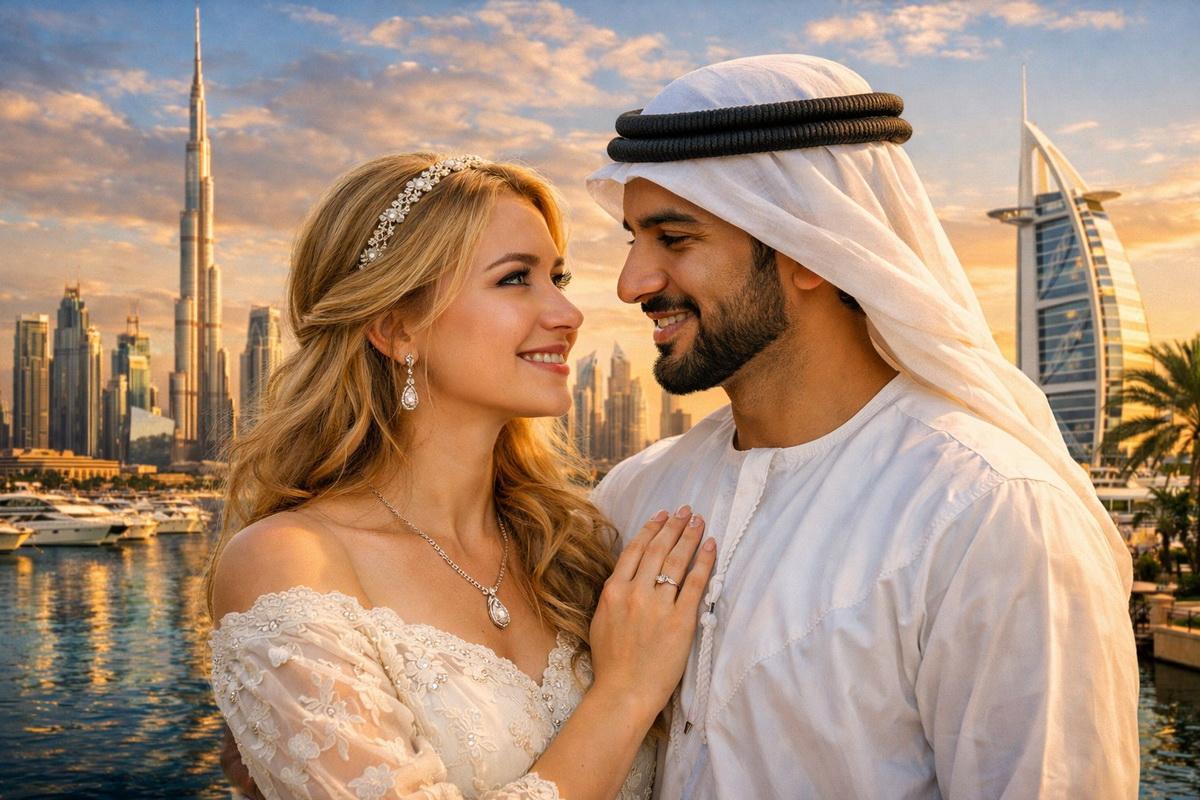
Rules That May Surprise
At first glance, it seems like a detail, but in reality, it is a fundamental pillar of the entire system. As various foreign portals about expat life report, marriage in the country is often governed by the principles of Islamic law – Sharia, which precisely defines who can marry whom and under what conditions.
A Muslim man can marry a woman of another faith, most commonly a Christian or Jewish woman. Conversely, a Muslim woman cannot marry a non-Muslim unless the man converts to Islam, which is also confirmed by the legal overview published, for example, in the media Khaleej Times.
Conversion is not a formally complex process, but it has deep meaning. In practice, it means that a person must pronounce the so-called shahada before witnesses or a religious official, that is, the precise profession of faith: "Ashhadu an la ilaha illa-llah, wa ashhadu anna Muhammadan rasulullah" (in translation: "I bear witness that there is no god but Allah and Muhammad is his prophet"),

reports the portal LegalClarity.
For a complete layman, it is important to understand that from this moment on, a person is considered a Muslim. In practice, this means not only a "paper" change, but also the expectation to respect basic rules - for example, holidays, Ramadan, dietary habits, or raising children in Islam. Some women take this as a formality, for others it is a fundamental intervention in their identity.
In addition, the marriage itself must be official, taking place through a court or religious official, in the presence of witnesses (usually two men) and in some cases with the consent of the bride's guardian. Health tests are also mandatory, which are meant to verify the health status of both partners, reports the portal Expat.com.
The examination includes tests for:
- HIV
- hepatitis B
- hepatitis C
- syphilis
- genetic diseases, such as beta-thalassemia
- sickle cell anemia
- rubella
- blood group (typing)
Blood groups are checked as a preventive measure for the couple, because some blood groups are not compatible with each other and could lead to complications during pregnancy.
It is important to note that the court in the UAE may refuse marriage if the results of this examination indicate that one or both partners have a genetically inherited blood disease or a communicable disease.
Dowry, Agreements and Reality Before "I Do"
The wedding itself must be official, taking place through a court or religious official, in the presence of witnesses and often a guardian (especially for Muslim women).
Even before the wedding itself, a topic comes into play that often surprises European women - mahr, meaning dowry or financial gift for the bride. It is a mandatory part of Islamic marriage and the amount can be symbolic, but also very high. This gift belongs exclusively to the woman and is meant to serve as her financial security. This concept is explained, for example, by Britannica.
According to the law, it can have a set limit, for example around 50,000 dirhams for Emiratis, with part being paid in advance.
On paper, this is an advantage for the woman, the money is her property. In reality, however, it is also a symbol of commitment and often a subject of negotiation between families. Many women describe that this is where they first realize that marriage is not just romance, but also an agreement between two family systems.
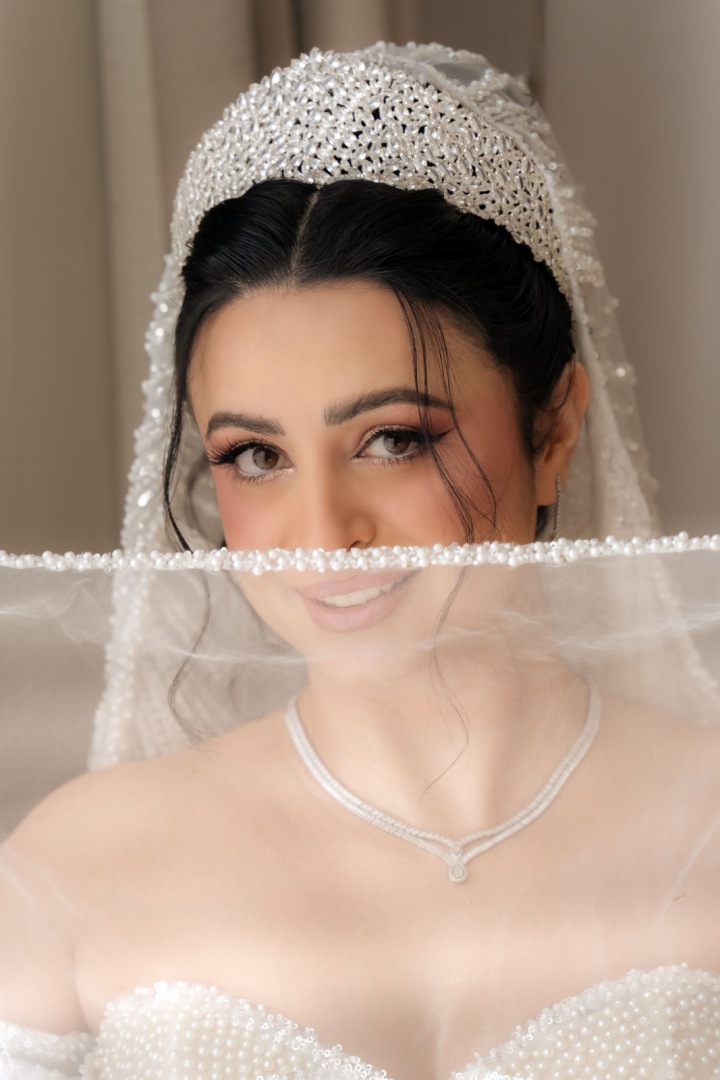
At first glance, it appears to be an advantage, but the reality is more complex. While the mahr is the woman's property, it also symbolizes obligation and expectation. In some families, its amount and conditions are negotiated, which can resemble a business transaction more than a romantic moment.

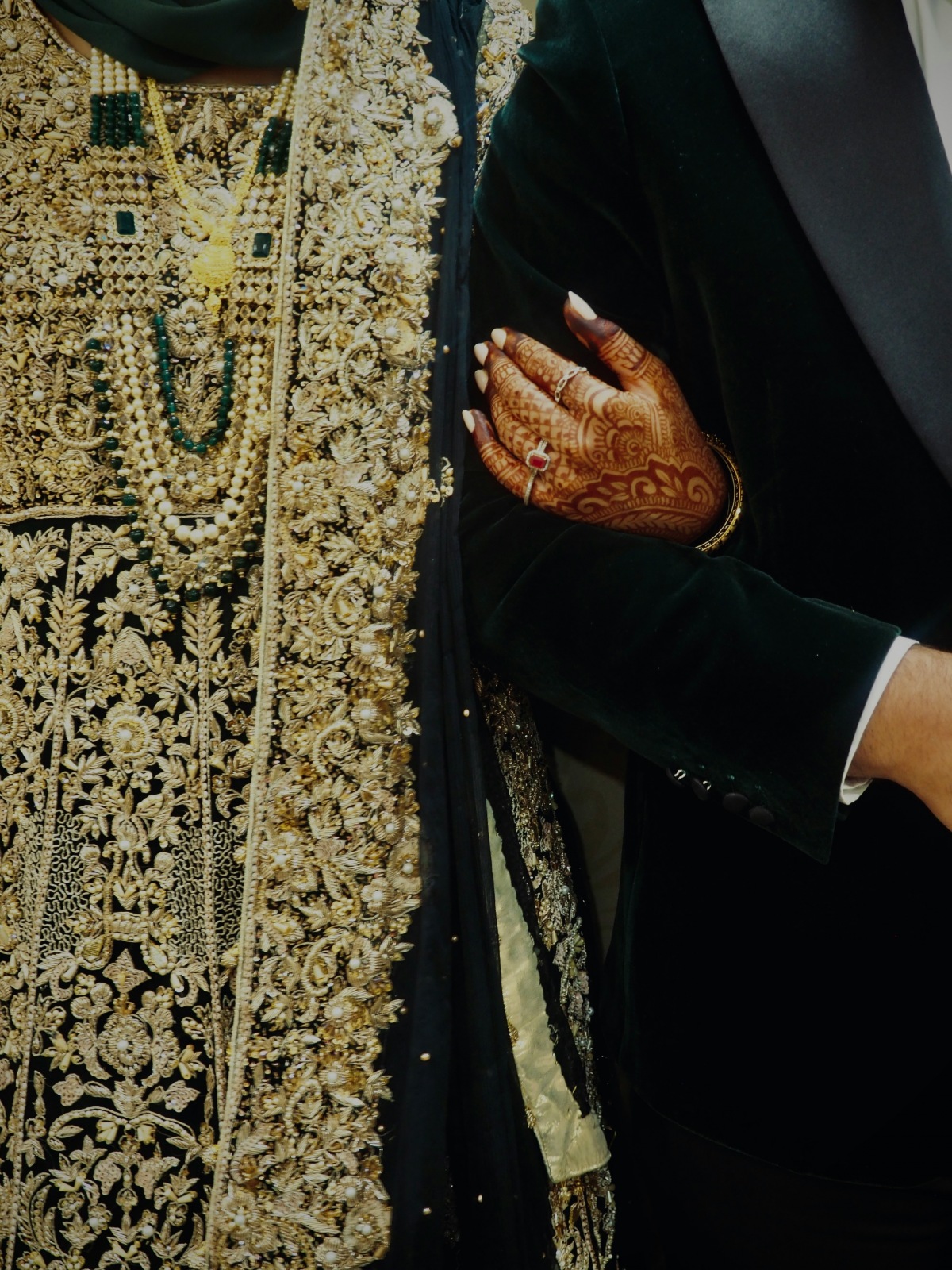
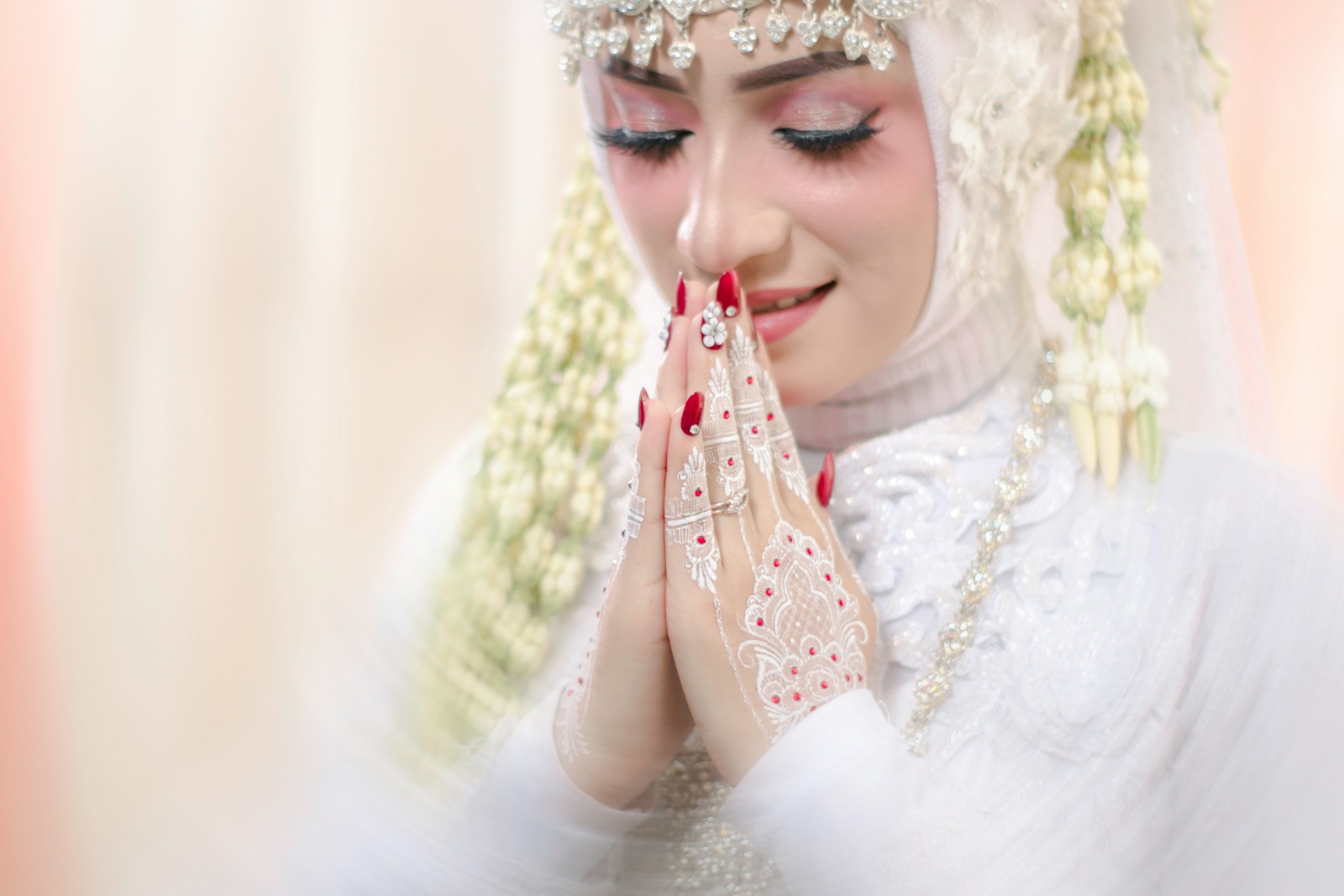
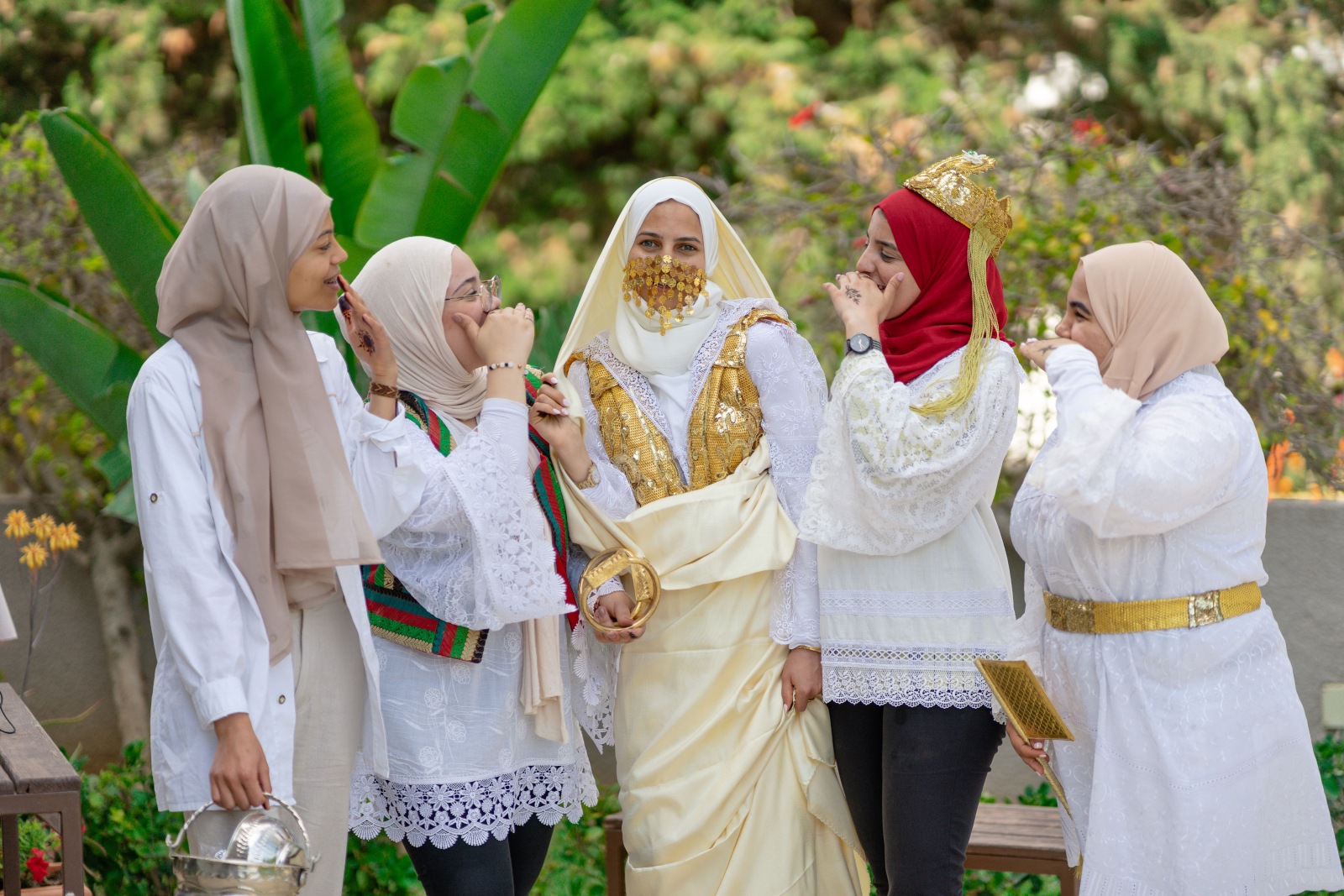
The preparations also include traditional celebrations, such as the henna evening, where the woman's hands are decorated with ornaments and women from the family gather. Already at this stage, it often becomes apparent how much influence the family will have on the bride's future life.
How does the wedding itself take place?
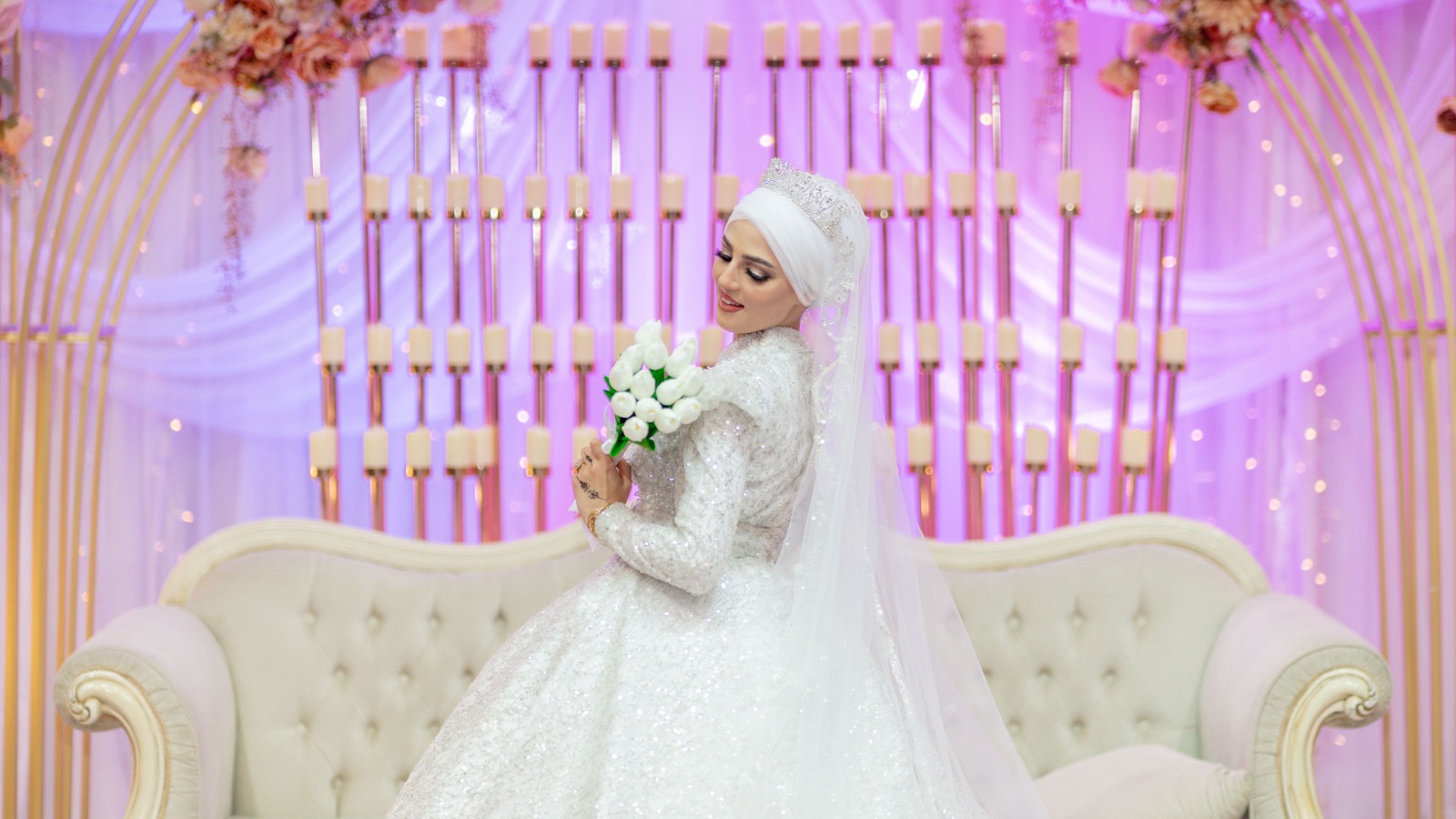
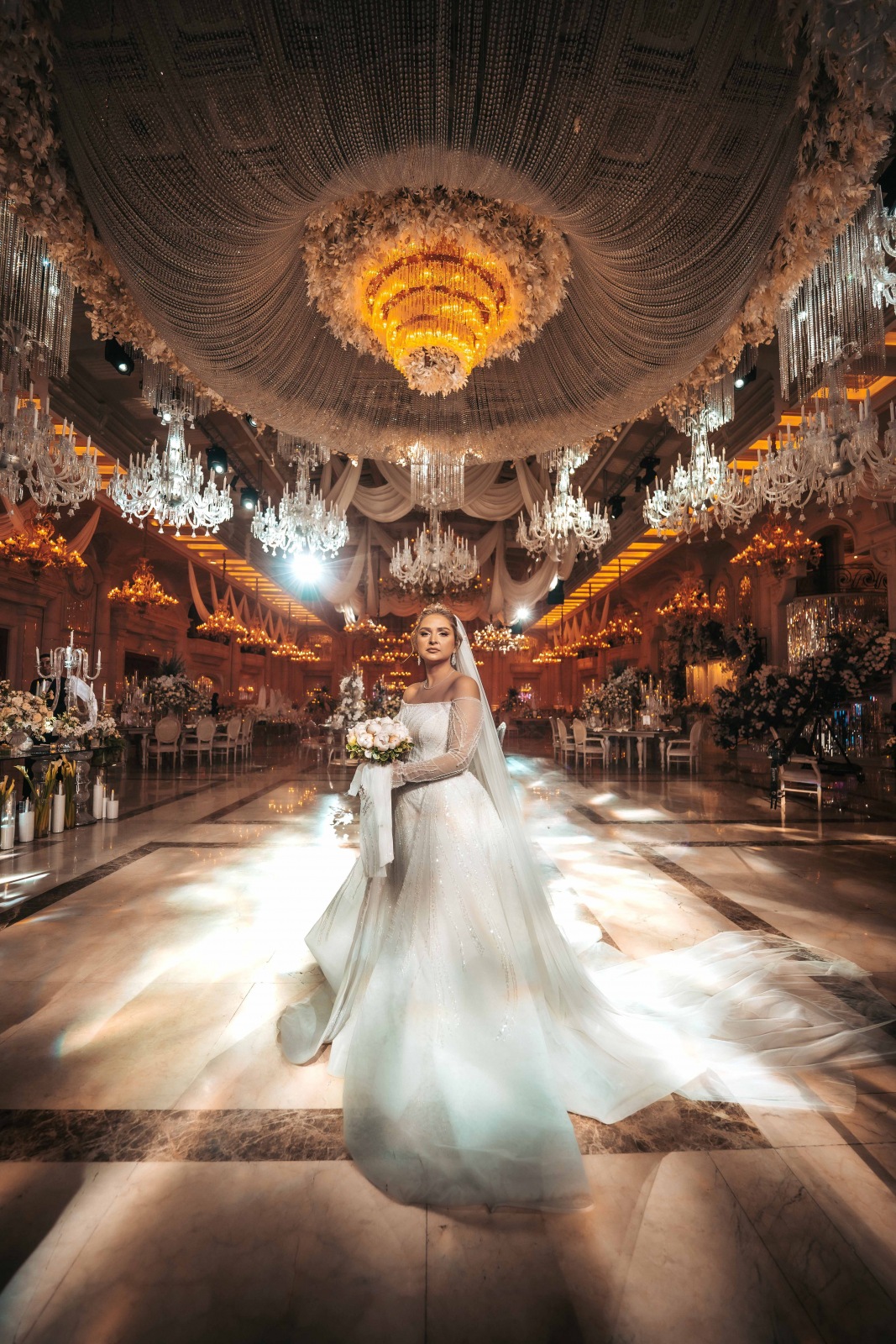
The wedding day itself can take several forms, from a modest religious ceremony to an extremely luxurious event costing tens of thousands of euros. Dubai is among the places with the most expensive weddings in the world. Traditionally, the celebrations are separate, with men and women having their own spaces.
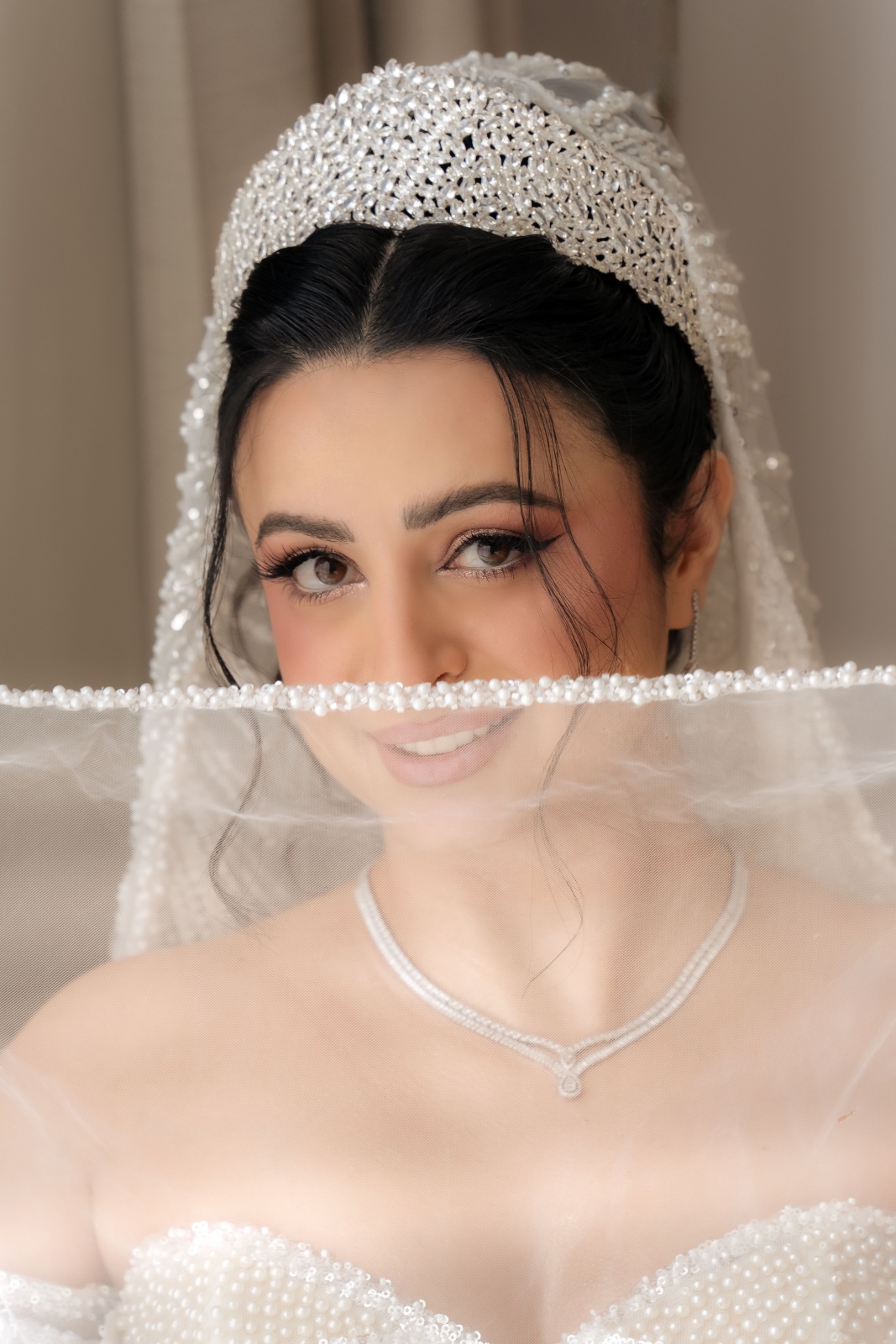
The bride is usually dressed in richly decorated gowns, often with plenty of gold, while the groom wears traditional attire - a long white robe called kandura (or dishdasha) and a head covering ghutra. This white color symbolizes purity, simplicity and also practicality in the hot climate.
An interesting fact is that not all men wear this garment constantly. The kandura is common for local Emiratis especially in official and everyday public life, while foreigners or younger men may also wear Western clothing. Head covering is worn primarily in public or at formal occasions; at home, men often take it off.
Marriage is not just about two people
One of the biggest differences is the position of family. In the European environment, marriage is primarily a matter of two people, but in Emirati culture it is often a union of two families that have a significant influence on the couple's life. Parents, siblings, but also extended relatives can intervene in decisions, from housing to raising children.
A common reality is, for example, that a young couple lives near the family or even in the same complex. Family gatherings are frequent and attendance as well as respect for elders is expected. For a European woman, this can mean a completely new regime – less privacy, more social obligations.
Example from practice: if the family organizes a dinner or celebration, the wife is expected to come, dress appropriately and represent the family. Similarly, there may be an expectation that she adapts to certain customs – for example, separate spaces for men and women at larger gatherings. This system can be a pleasant support network for some, but for others it represents pressure and loss of individuality.
Freedom in Dubai: Illusion or Reality?
Dubai is often described as the most liberal city in the region, but it still operates within clearly defined rules, reports the U.S. Department of State.
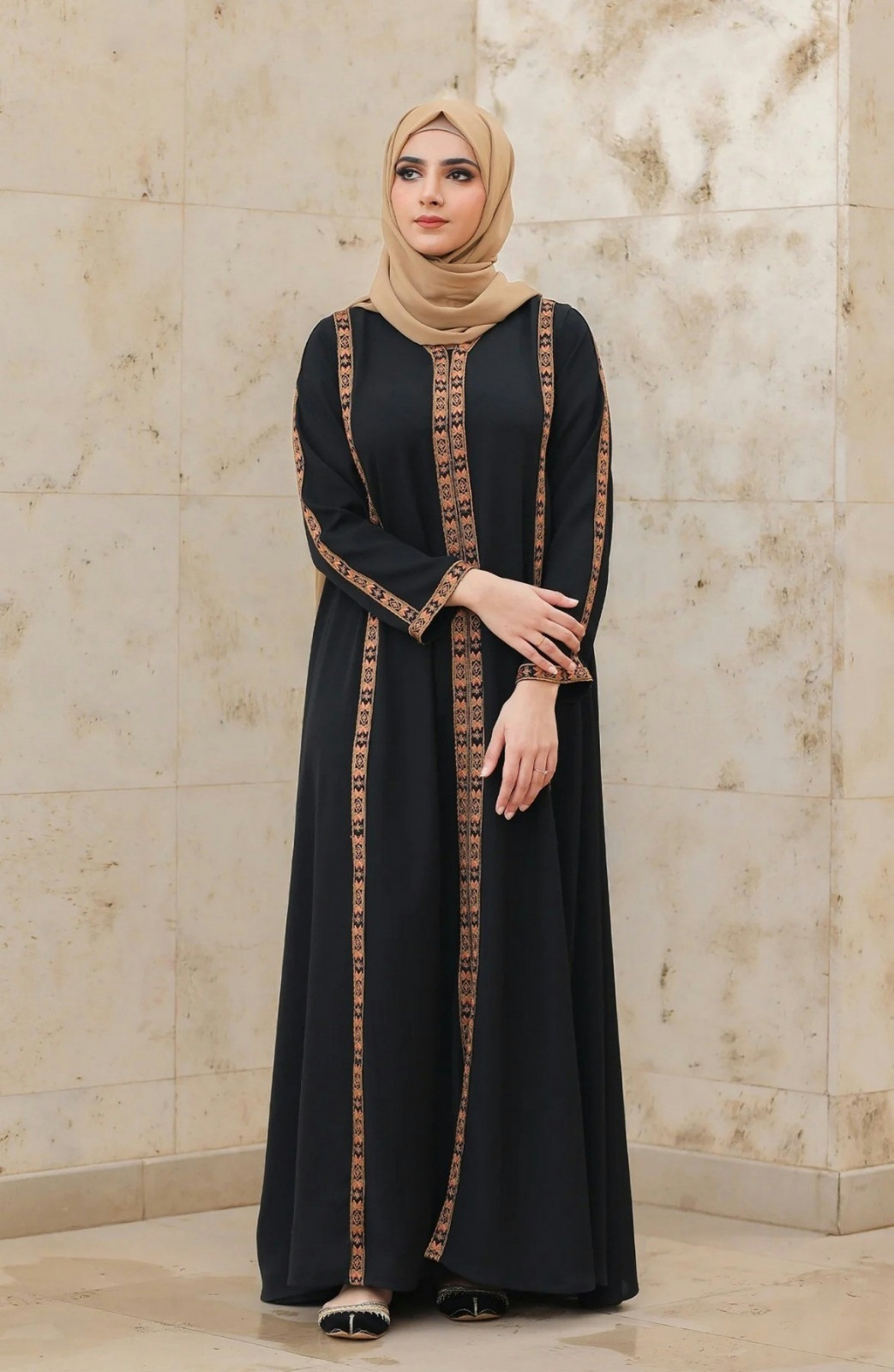
Clothing is one of the most common questions. Women do not have to wear a hijab or cover their face, but when visiting a mosque it is mandatory. In Dubai, the hijab is not mandatory for foreign women. Nevertheless, modesty is expected, covered shoulders, knees and appropriate clothing in public.
Abaya, a long black cloak, is the traditional garment of local women. It is worn for religious and cultural reasons, symbolizing modesty. A foreign woman doesn't have to wear it, but in more conservative families or situations it may be expected. If a woman doesn't wear it, usually nothing happens, but she may face stares or subtle pressure from those around her.
Free time exists, but takes a different form. Women can go out alone, to cafes or shopping centers, but always within social norms. Dubai is no less hectic than Europe. Quite the opposite, the work pace can be high, especially in business.
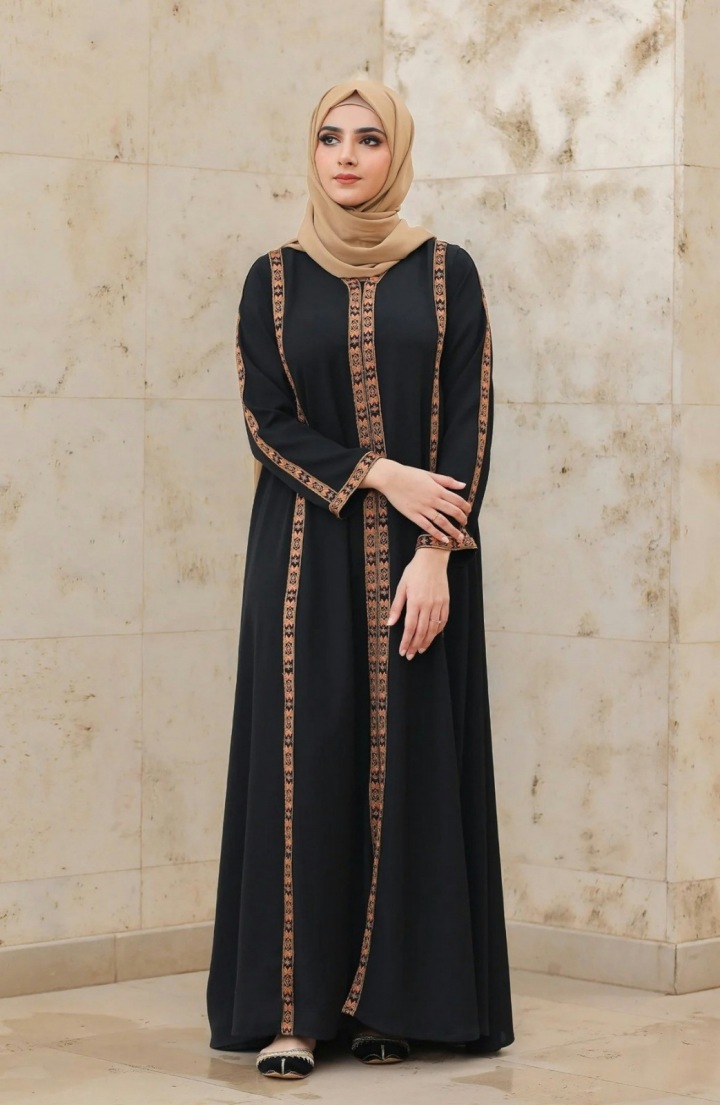
Restrictions also apply to behavior - public displays of affection, such as kissing or hugging, may be considered inappropriate. Alcohol is available, but only in licensed places. Even leisure time can look different, less spontaneity, more planning and respect for rules.
Can I work? Do I have to obey men?
Women can work in Dubai, do business and build a career. However, everything depends on the specific partner and family. In traditional families, it may be expected that the woman will be more at home.
The position of the man is often more dominant, especially from a cultural perspective. This does not automatically mean obedience, but in practice the man may have the final say in important decisions.
Polygamy: A Topic Discussed Quietly
Polygamy is legal and allows a man to have up to four wives. However, the condition is that he must ensure equal financial and living conditions for each of them, which in practice means housing, finances, and time. As stated by the portal UAE Supreme Council, this is a legally regulated option, not an automatic reality.
The first wife does not have an automatic right to forbid further marriage, but in some cases she may have conditions specified in the marriage contract. In practice, this means that if she does not agree, she can, for example, request a divorce.
Interestingly, each wife is supposed to have her own housing and the man should divide his time fairly between them, for example by alternating nights. In reality, this is logistically and financially demanding, which is why polygamy is less common than it might seem. Nevertheless, its existence creates a specific relationship dynamic.
Luxury That Can Be Binding
Dubai is synonymous with wealth, but not all its residents are millionaires. Local Emiratis often work in public administration, security forces, or run their own businesses. The state provides them with various benefits, from housing to financial support.
Salaries vary, but higher positions can reach several thousand to tens of thousands of euros per month. At the same time, however, there are also less visible layers of society, especially foreign workers who work for significantly lower wages. Dubai is therefore not just about luxury, but also about large disparities.
For a woman in a relationship, this can mean financial security, but also dependence. Residence visas are often tied to the husband, which complicates a potential departure.
Religion and Daily Life
Islam influences the daily rhythm of life. Muslims pray five times a day, with prayers having precisely set times. During Ramadan, the holy month, there is no eating or drinking from dawn until sunset. For non-Muslims, this is not mandatory, but respect is expected, for example not eating in public, writes the BBC portal.
Child-rearing is often based on religious values. Children learn about Islam, attend religious classes and adopt cultural customs. For a European woman, this can be a topic that requires compromise and open communication.
Divorce and Reality
Divorce in the UAE can be more complicated than in Europe, especially when it comes to Islamic marriage. A man has an easier option to initiate divorce in certain cases (so-called talaq), while a woman must often prove a reason. With multiple wives, the situation becomes even more complicated, each has her rights, but also limitations.
That's why many women emphasize that the most important thing is to understand the system even before the wedding. As various foreign portals about expat life indicate, the biggest problem is usually not the partner themselves, but differing expectations.
Marriage to a Dubaian can thus be filled with luxury and stability, but at the same time it is an entry into a world that has its own rules. And those can be fascinating for some, while for others much more demanding than they could have imagined at the beginning.
Source: author's text, Khaleej Times, LegalClarity, Expat.com, Britannica, U.S. Department of State, UAE Supreme Council, BBC