I'm marrying a Mosuo (China): Husband will only come for the night, leave in the morning, and I will raise the children alone


Their system of love and partnership breaks down everything we imagine under the term "marriage". And that's exactly why it fascinates the whole world - including women who wonder whether such a model could work here too.
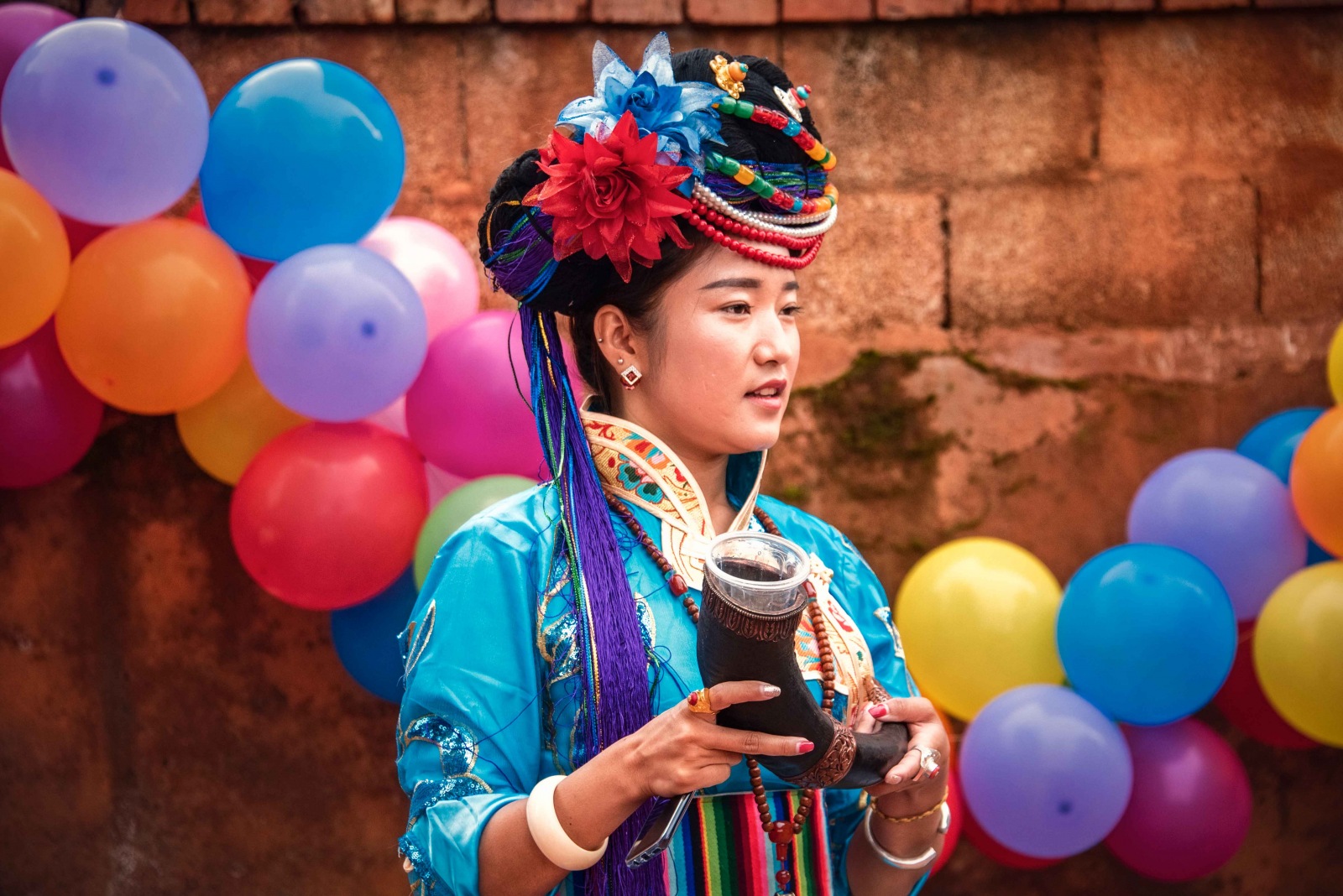
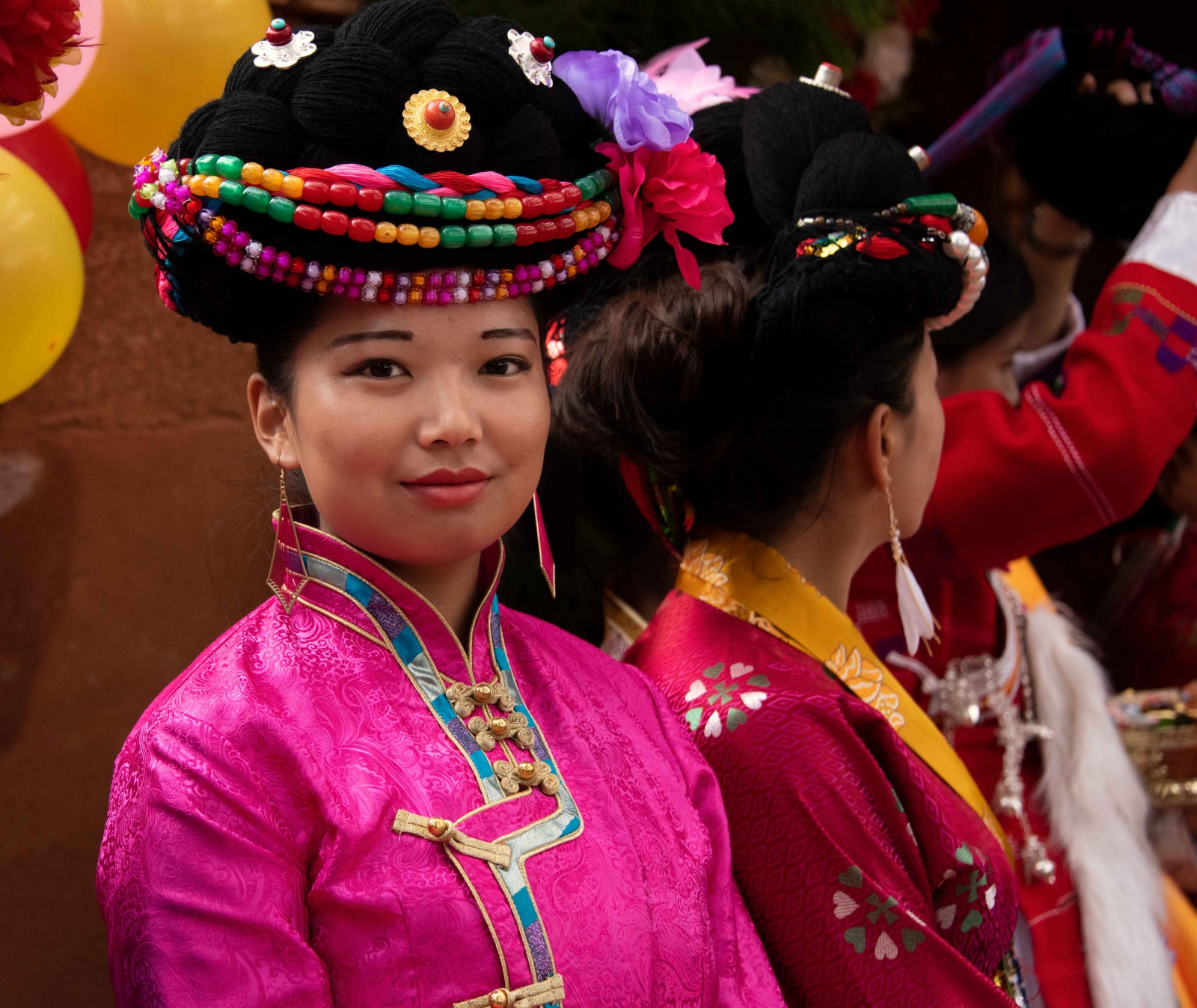
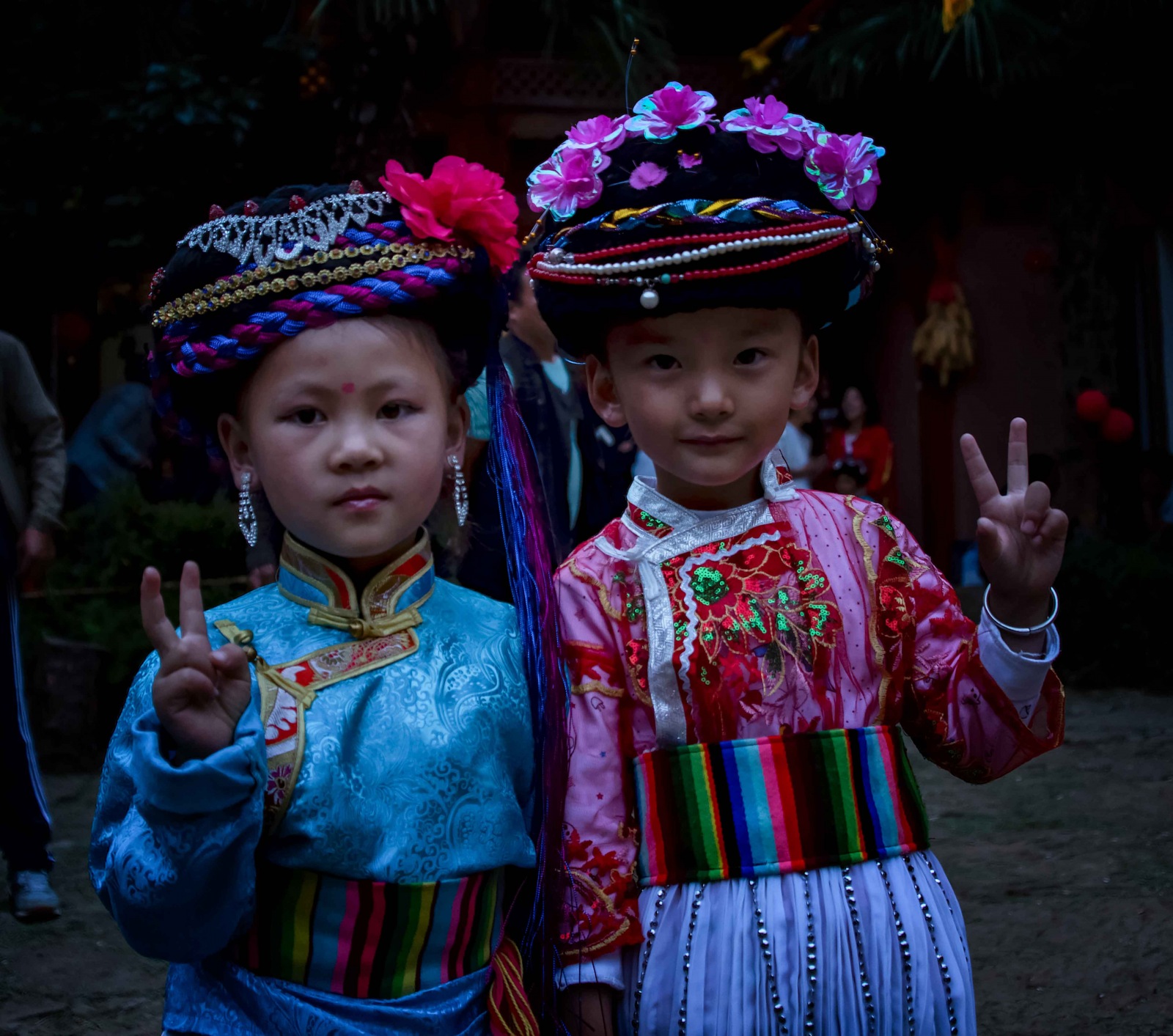

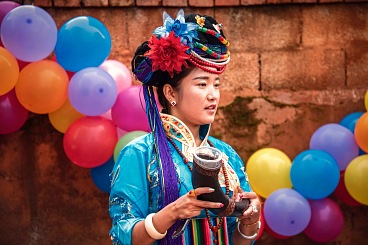
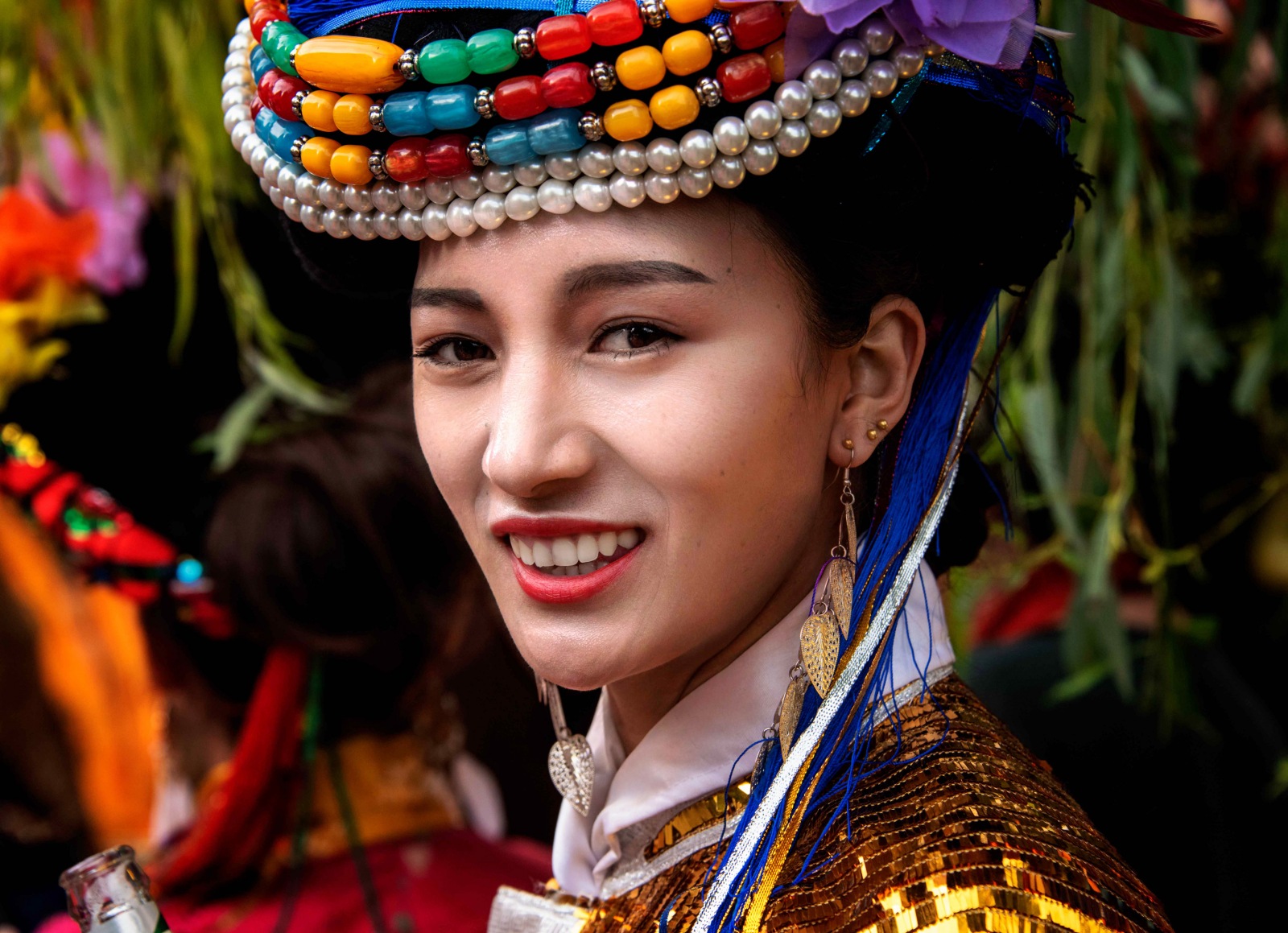
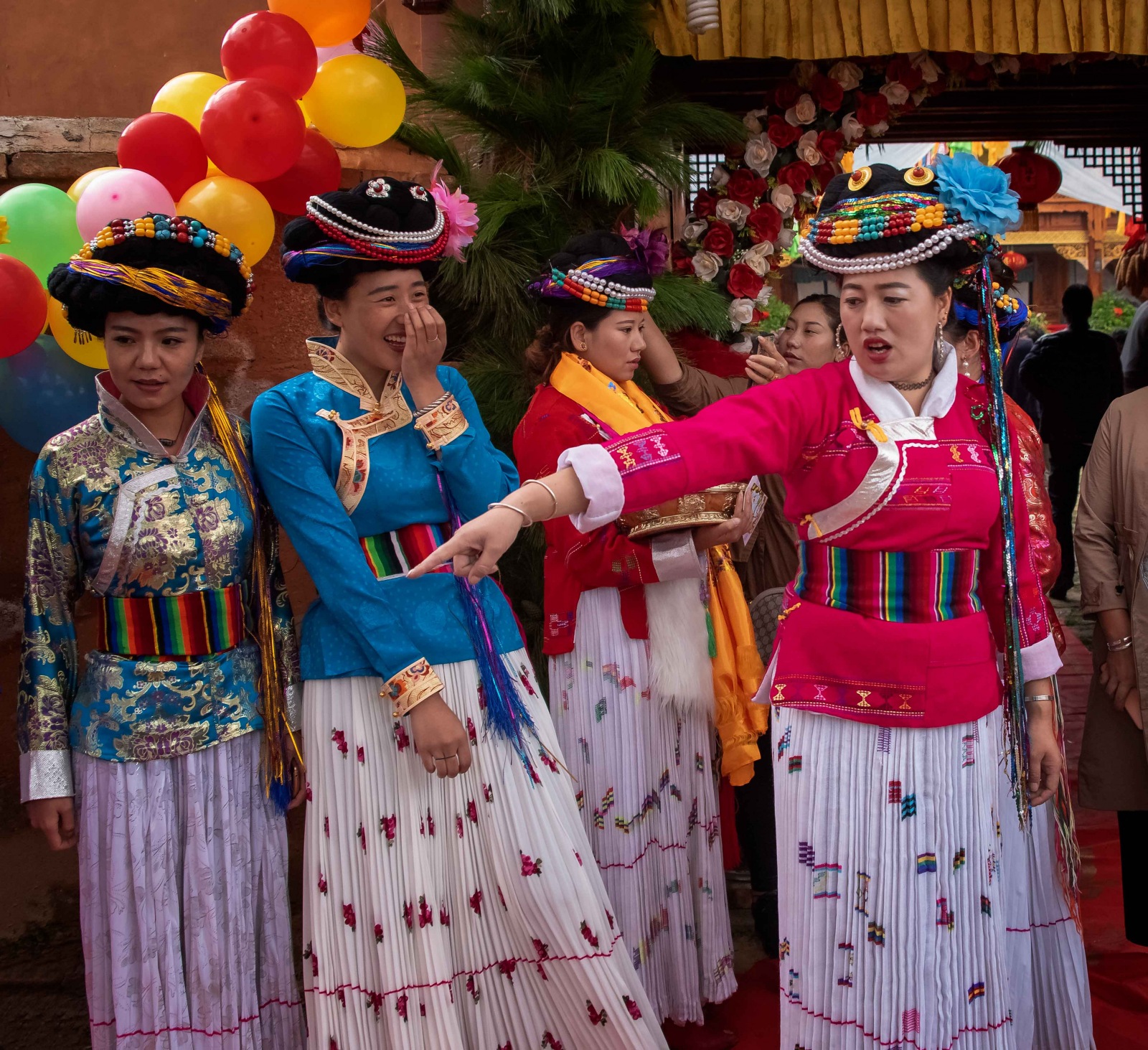
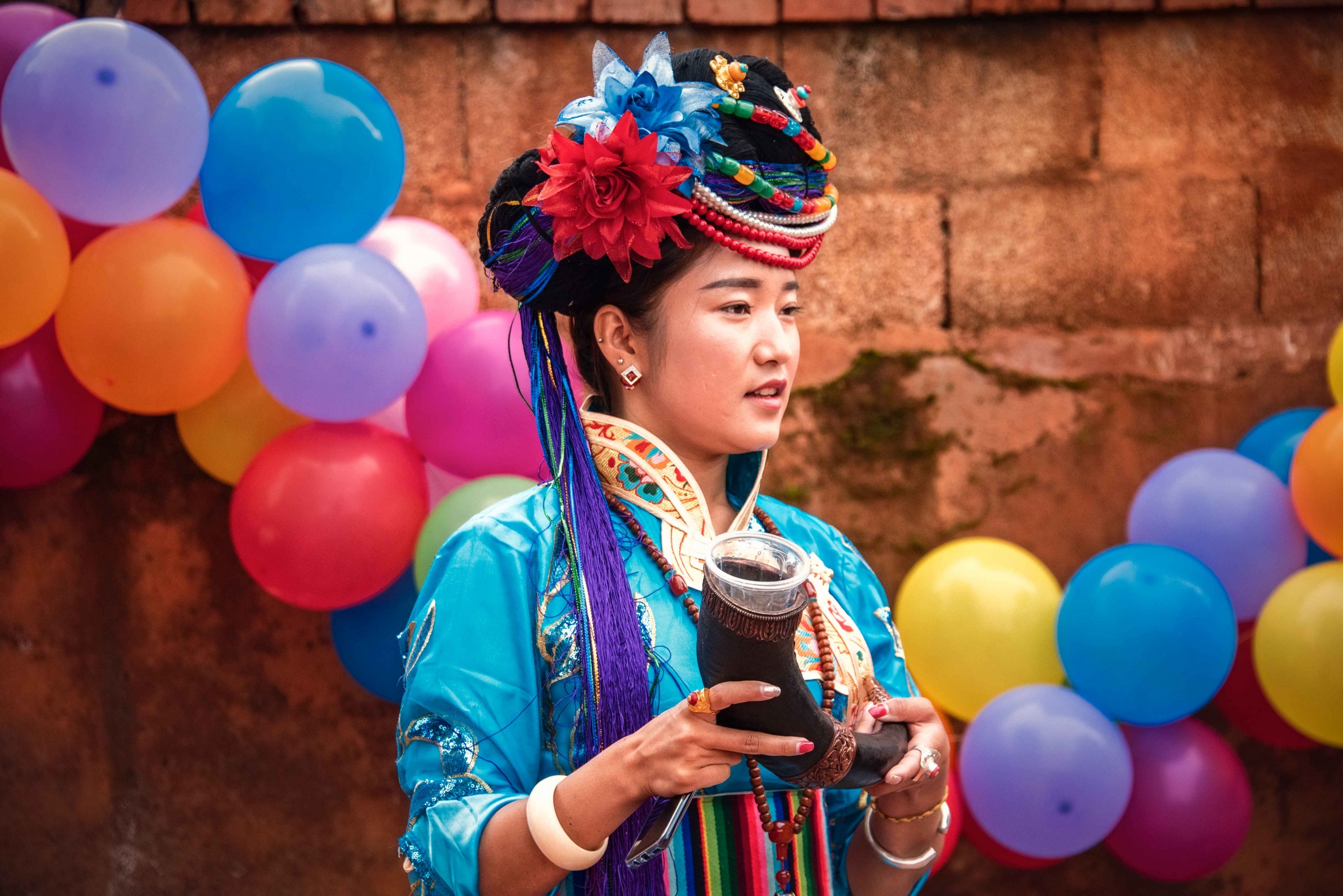
The Mosuo are a small ethnic group living in the area of Lugu Lake on the border of Yunnan and Sichuan provinces in China. They are often referred to as the "kingdom of women" because they are one of the last matrilineal societies in the world - meaning one where lineage, property, and family ties pass through the female line. They have their own language, traditions, and unique way of life that differs significantly from mainstream Chinese society. The Mosuo have preserved to this day a system that experts call "visiting" or "walking" marriage. It is precisely this model that makes their culture one of the most interesting in the world - especially from the perspective of relationships, family, and the status of women.
Love Without Commitment and Without Paper
According to the portal Visit Beijing Mosuo they don't know classical marriage as a legal or social institution at all. There are no weddings in our conception, there are no marriage contracts or commitments "for life". Relationships arise naturally - based on sympathy, attraction and feelings, not based on family pressure or social expectations.
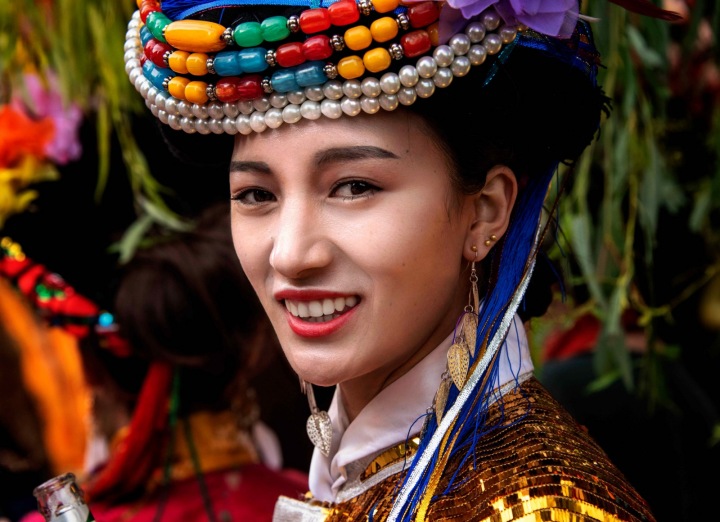
Anthropological research shows that these unions have no fixed rules or expectations. Partners make no promises and "owe" each other nothing. The relationship can last for years, but also just a few weeks - without dramatic breakups, legal disputes, or stigma.
From our perspective, such a system may seem unstable, but for the Mosuo it's quite the opposite. Their philosophy is based on the idea that love should be voluntary and authentic. Something that lasts only because both want it to, not because they "have to". And it's precisely this freedom that is one of the reasons why their relationships often work without pressure and conflict.
A Man Comes Only for the Night
According to the portal Wikipedia - Mosuo's most famous element of this culture is the so-called "walking marriage". It works simply: a man visits a woman in the evening, spends the night with her, and leaves in the morning to return to his mother's house.
These are not random encounters, but stable relationships that can last long-term. The difference is that the partners don't live together. Each remains in their original family, where they have their duties, tasks, and place.
This is the so-called duolocal system - a model where both man and woman live their entire lives in their own families and never create a shared household. For us, living together is the foundation of a relationship. For the Mosuo, it's more of an exception. Their partnership takes place at night - in the space of intimacy and emotions, while the day belongs to family, work, and community. It's a peculiar division of roles that has been working for generations.
Children belong to the woman, not the man
According to the portal PMC (National Library of Medicine), children in this culture grow up exclusively in the mother's family. They don't go "to the father," nor do they create a new household - they stay where they were born. The key role in their upbringing is played primarily by men from the mother's family - that is, uncles. It is they who often assume the paternal role, take care of the children, raise them, and manage the household, writes Springer Nature.
The biological father can be present, but it is not mandatory. If he wants to, he can get involved, bring gifts or help, but the system is not based on that. According to the portal, this model is built on matrilineal inheritance - property, name and family ties pass through the female line.
For us it may be incomprehensible that the father is not the center of the family. Among the Mosuo, however, the family is stronger precisely because it stands on a stable foundation - on the woman and her relatives, who remain together for life.
A House Where Women Rule
According to the portal IUP Anthropology Research, the head of the household is the eldest woman - the matriarch, who manages the running of the entire family. Multiple generations live in one house: grandparents, siblings, children and grandchildren. Everyone cooperates, shares property, works in the fields and takes care of the household.
Interestingly, such a model eliminates many conflicts that we know from our families, for example property division, inheritance disputes or pressure to "become independent". Everything belongs to the family as a whole.
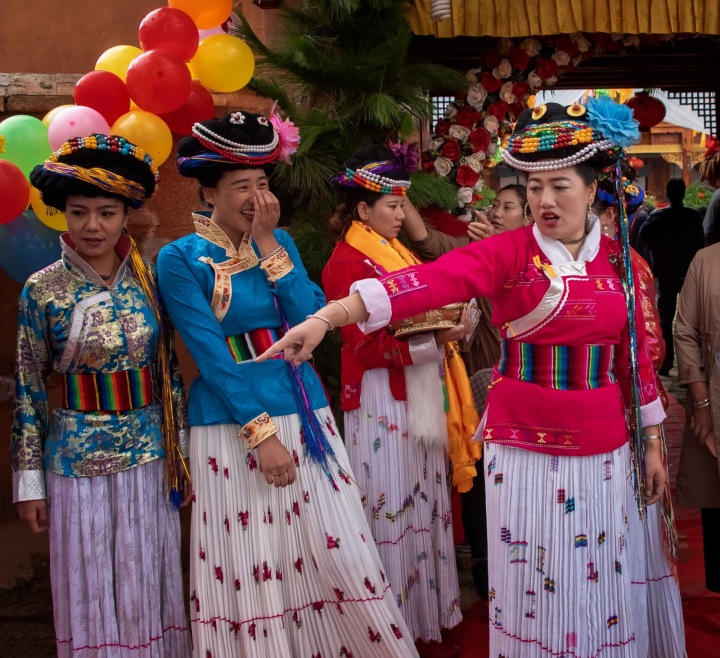
Women have a strong position here - not only in the household, but also in decision-making about family life. Men do play important roles (for example in work or trade), but the centre of power remains with women. This is one of the last examples of a matrilineal society in the world, where the family system is derived from the female line - and not the male, as is common in our society.

A relationship without arguments?
According to the Visit Beijing portal, one of the advantages of this system is precisely the absence of social pressure and conflicts. When partners don't live together, common everyday disputes don't arise - who will clean up, who will cook, who will pay the bills. Their relationship focuses primarily on the emotional and physical level.
Research suggests that jealousy is also less pronounced. Although multiple relationships are possible, most Mosuo practice rather long-term partnerships that only change when the feeling fades. From a Western perspective, this may seem like chaos. But for the Mosuo, it is a system that minimizes conflicts and maximizes harmony - not only between partners, but especially in the family.
Is it an ideal model?
According to the portal J-STAGE, this model is deeply rooted in the tradition, identity and functioning of the entire community. It is not just "a different type of relationship", but a complex system that encompasses family, economy and culture. It works because all its members naturally accept and respect it.
At the same time, however, it is changing - the modern world, tourism and contact with other cultures are gradually bringing classical marriages as well. This means that even this unique system is now under pressure to change. The question is how long it will survive in its original form.
Pre-wedding traditions, "wedding" and life after it
Interestingly, the Mosuo do not have classic pre-wedding rituals or a wedding day as we know it. There are no engagements, wedding dresses or feasts. Instead, an important role is played by the so-called "coming of age ceremony", which a girl undergoes around the age of 13. According to the Wikipedia portal, the Mosuo then receives her own room - and it is from this moment that she can receive nighttime visits from partners.
The very beginning of the relationship is discreet. The man visits the woman secretly - often at night, to respect the family's privacy. This custom is called "tisese" and is the foundation of their partnership.
A "wedding" as such does not exist. The relationship becomes official simply by enduring. If the partners stay together long-term, the community naturally accepts it. Life after the "wedding" does not differ significantly from life before it. Partners continue to live separately, children grow up with their mother, and the family functions as one unit.
An interesting aspect is also the daily life of the Mosuo, they primarily engage in agriculture, animal husbandry, and today also tourism. Their society is known for its high level of stability, low divorce rate (because divorces don't exist), and strong family ties.
Would you marry such a man?
The idea that your partner won't live with you, won't deal with bills or daily worries, may be unimaginable for some women. For others, perhaps surprisingly appealing. The Mosuo show that marriage doesn't have to have just one form. That love can exist without ownership, without control, and without a shared address. And even though most of us won't choose such a model, one thing is certain... it forces us to think about what we actually expect from a relationship.
Source: author's text, Visit Beijing, Research Online JCU (anthropological research), Wikipedia, PMC – National Library of Medicine, Springer Nature, IUP Anthropology Research, J-STAGE