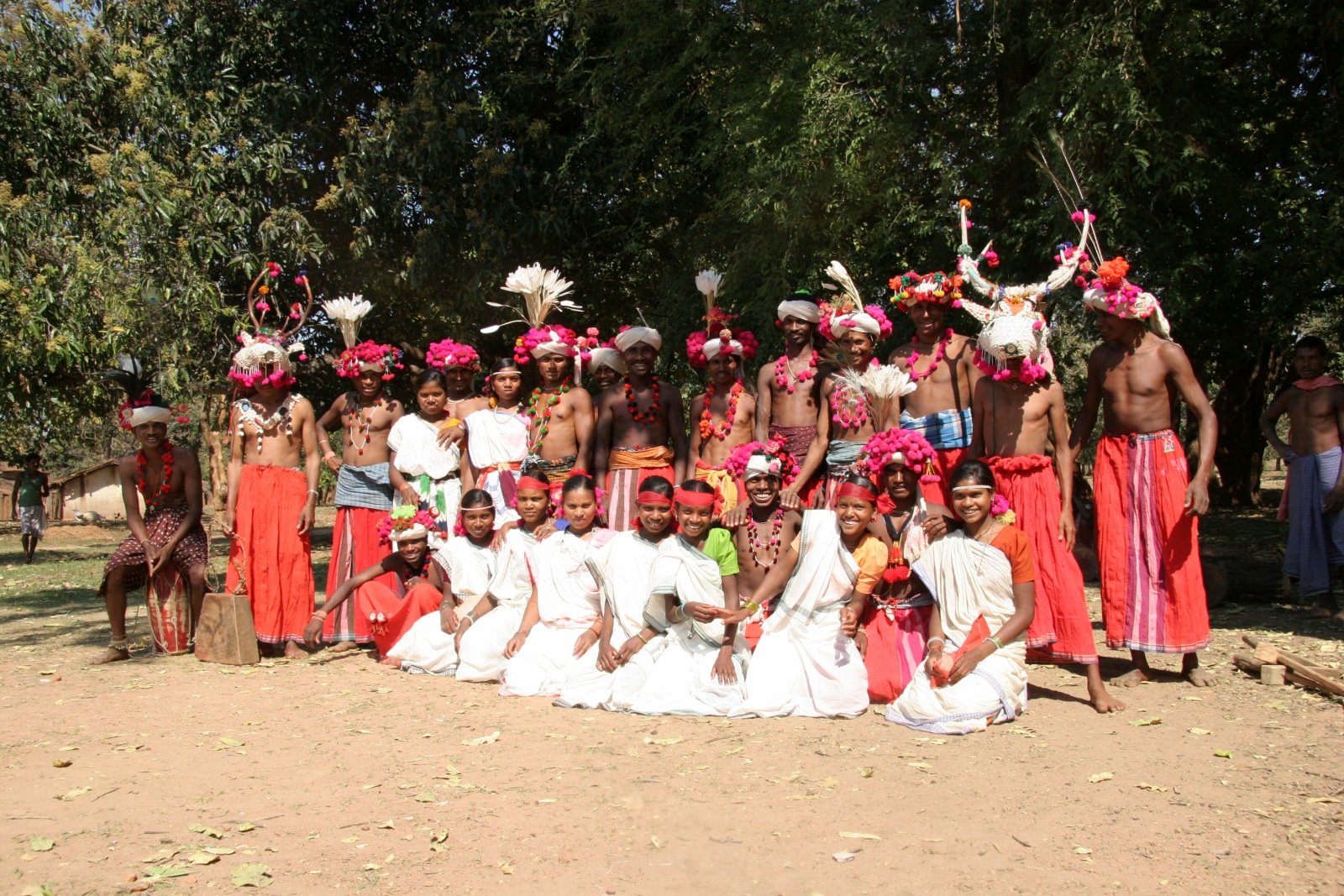
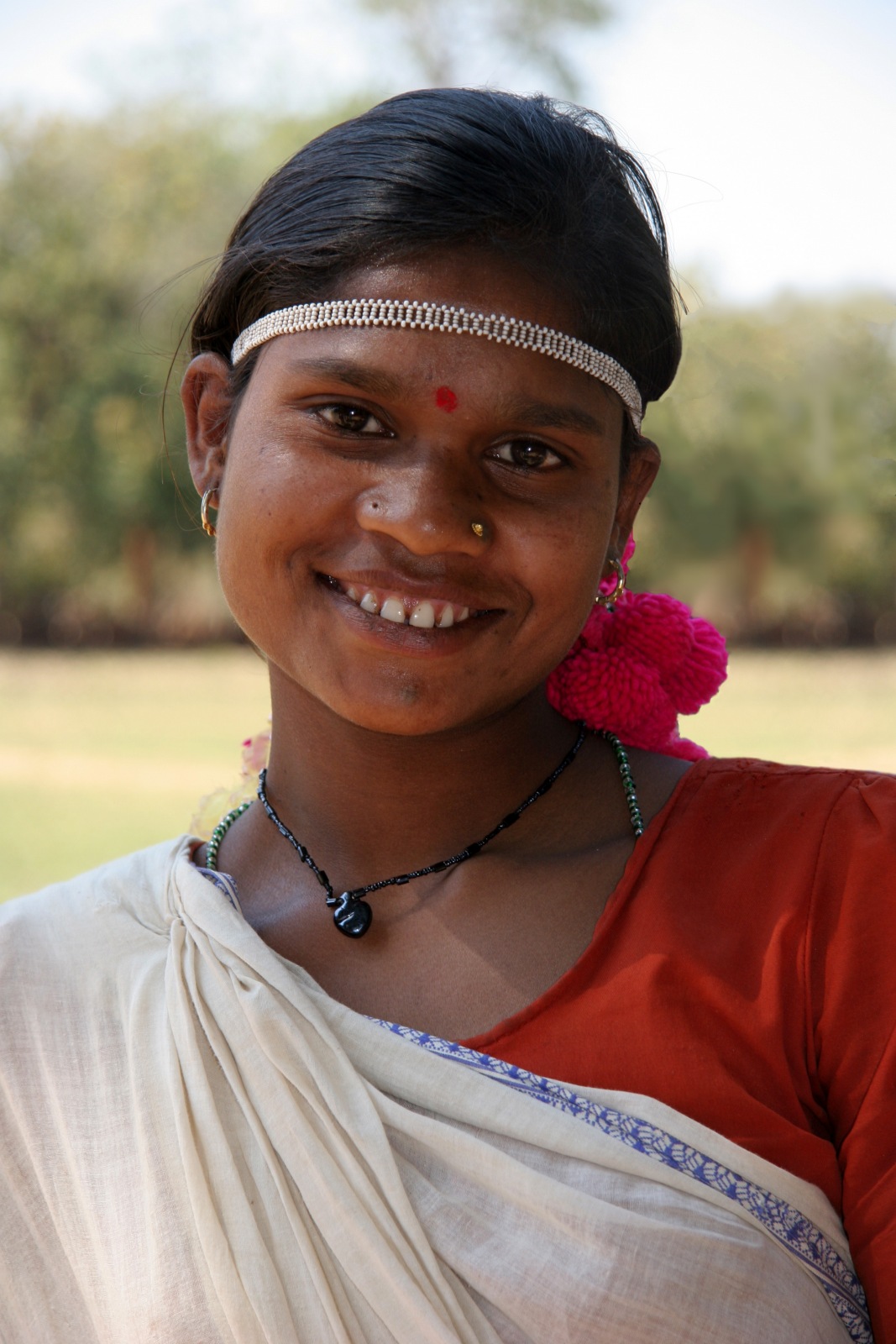
I'm marrying a man from the Muria tribe: Before the wedding, everyone must try everyone. Sex as part of youth education?


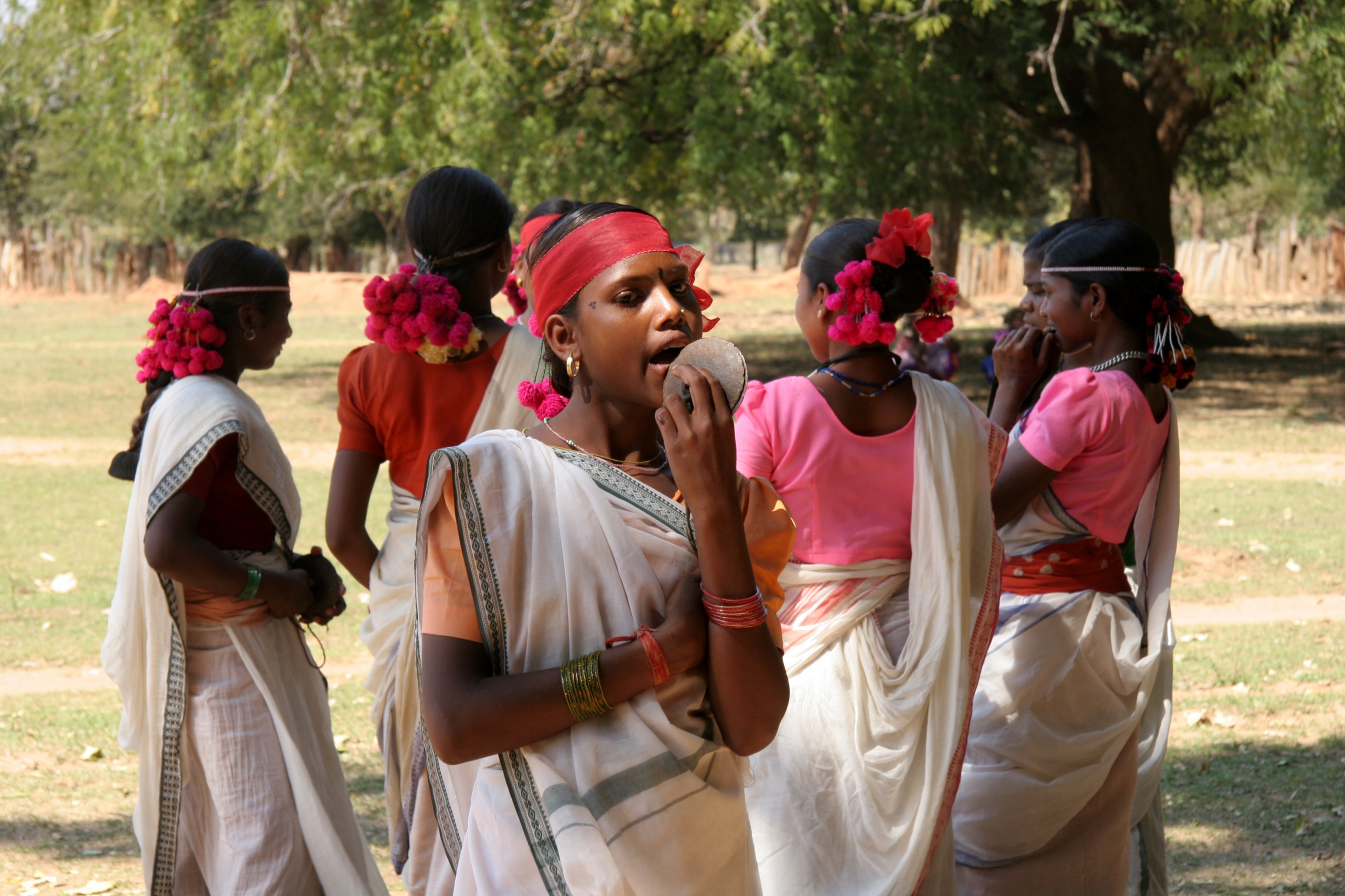
There are communities where intimate life is a kind of "preparation" for marriage and where young people learn about relationships long before they say their yes.
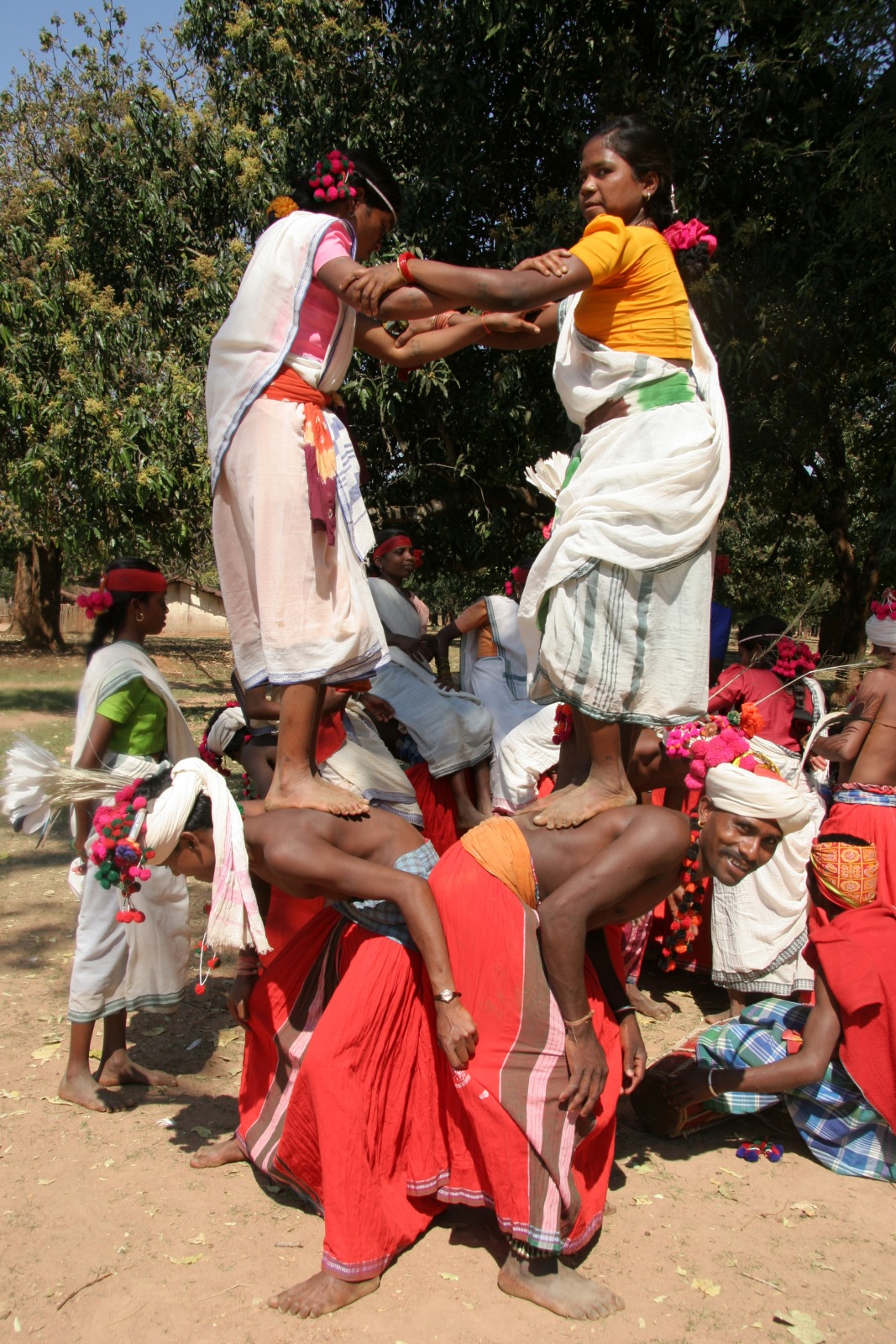
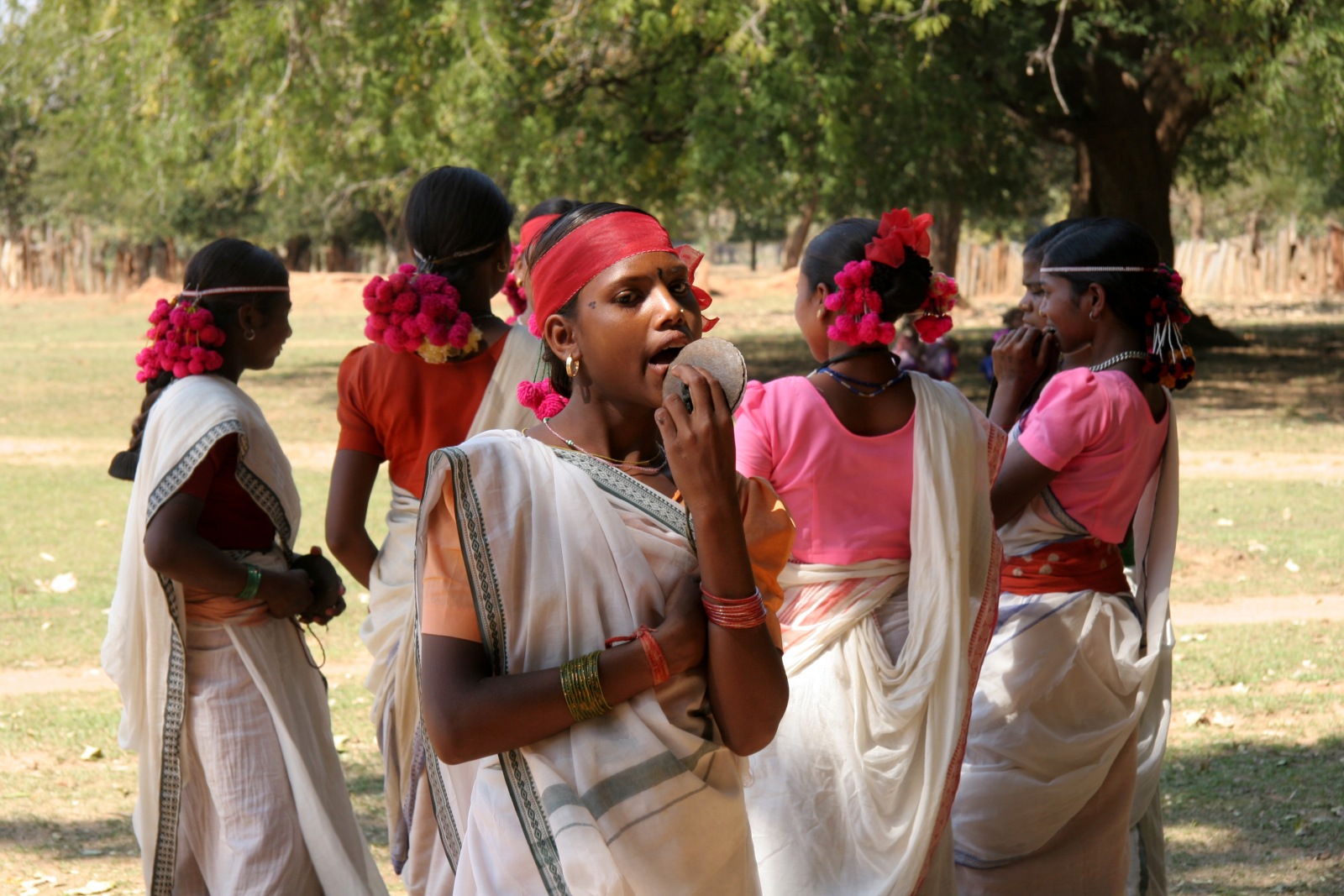
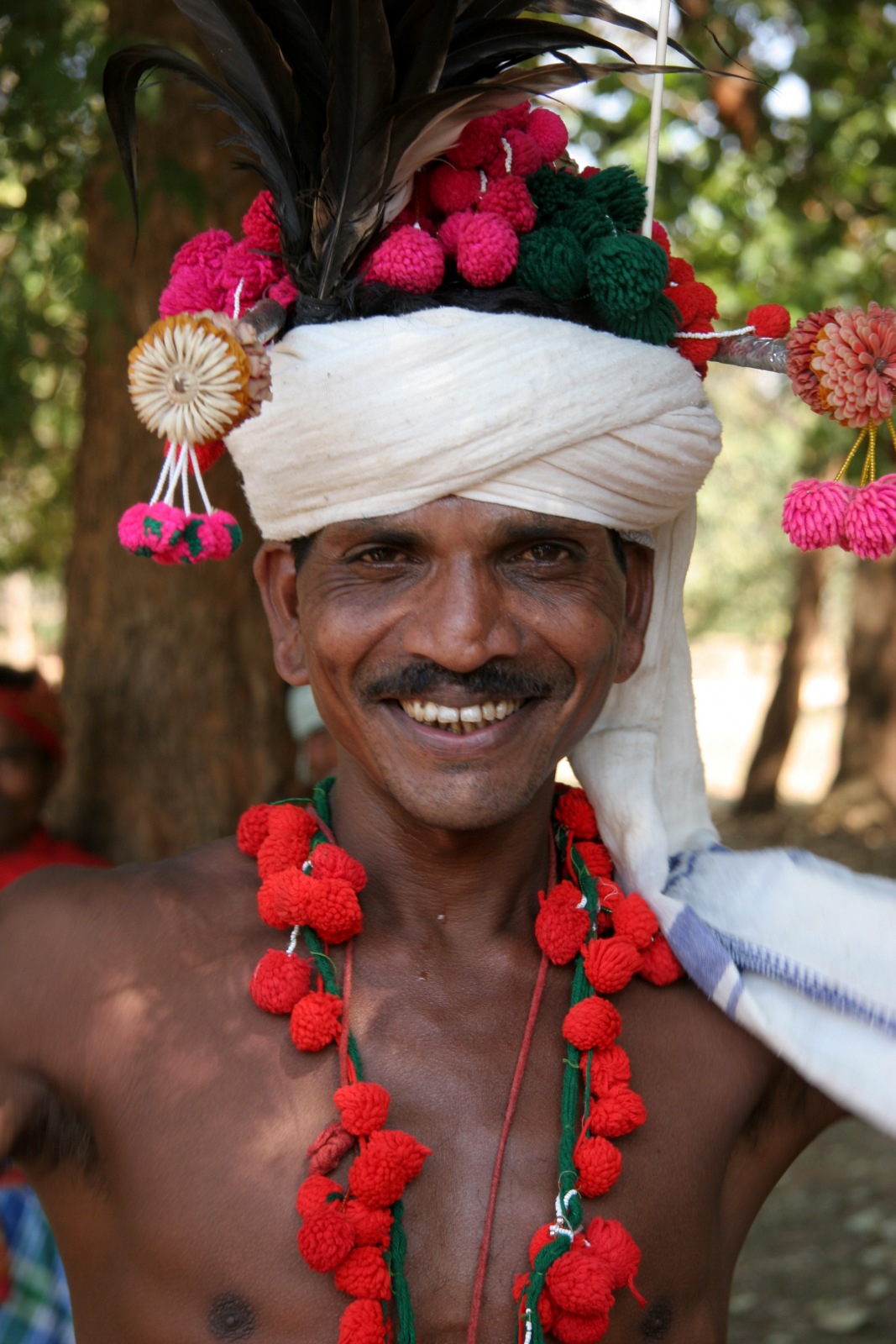
In different parts of the world, people view love, relationships, and sexuality completely differently. What is natural for some may be unacceptable for others. Culture, tradition, and way of life shape the view of intimacy more than we often realize. If we were to show two extremes, there are places where sex is perceived as a normal part of life - and elsewhere as something sinful that needs to be suppressed.
One of the most striking examples of the first group is the Indian Muria tribe. Their approach to sexuality is so open that many would call it shocking. On the other side of the world, however, there are communities where sex is not talked about at all and where even ordinary physical contact is considered problematic. It is precisely this contrast that shows how different the rules can be for what we consider "normal".
Ghotul: a place where children become adults
In the heart of India, in the Bastar region, a system called ghotul has been functioning for generations. As stated by the encyclopedic source Wikipedia, it is a communal dormitory for unmarried boys and girls, which is the center of their social and cultural life.

In a sense, it is a premarital "school of life" that prepares young people for future marriage much more practically than any theory, writes News18.
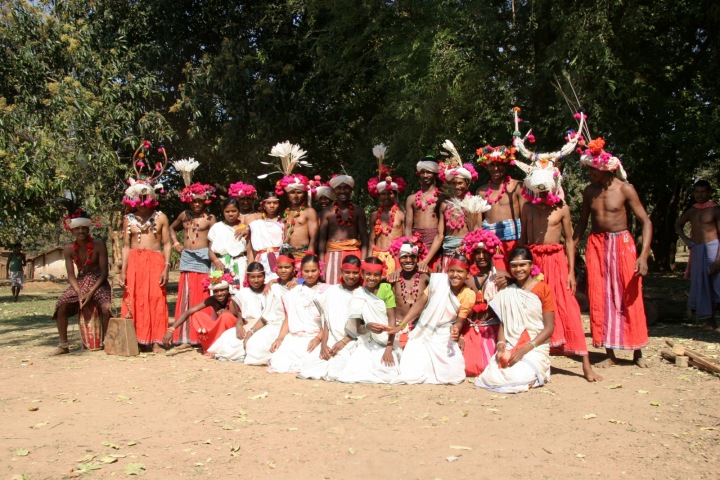
Boys arrive with sleeping mats, musical instruments, or small everyday items, settling around the fire, and gradually girls join them. Children come to the ghotul from around 10 to 12 years of age. Girls in this environment are called Motiari and boys are called Chelik. They spend evenings and nights there, cooking together, working, talking, singing, and dancing. Many of these activities have a subtle but clearly readable erotic subtext, such as traditional dances where boys move in a circle and girls gracefully walk among them. The atmosphere is usually relaxed, full of energy, and naturally leads to the formation of relationships between boys and girls.
Upon arriving at the ghotul, young people must not keep the name they were given at birth. They choose a new one, which they use during their time in this community. Adolescents lead a relatively free intimate life here, but at the same time they must follow clearly established rules.
What is unimaginable for the Western world is completely normal for them, intimacy is not taboo, but part of upbringing. Young people learn not only emotional bonds, but also physical closeness, without feelings of shame or guilt. For the Muria, sex is as common as eating or sleeping and is not separated from everyday life. That is precisely why jealousy and possessive behavior in relationships are almost non-existent among them.
Some anthropologists describe the ghotul as a kind of "living university". There are no textbooks or tests here, but life is learned in its most natural form. Interestingly, students are also teachers - they pass on experiences to each other.
After a demanding day, young people meet by the fire, discuss, joke, dance and sing. Part of the evening also includes checking obligations - those who don't fulfill their tasks can be punished. The ghotul is therefore not just about freedom, but also about discipline and responsibility.
And yes, sex belongs here too. Not as forbidden fruit, but as a natural thing. The locals don't distinguish between love and physical contact the way it's common elsewhere. For them, it's a basic human need.
Rules that prevent jealousy
Even though it may seem like chaos, ghotul functions according to clear rules.
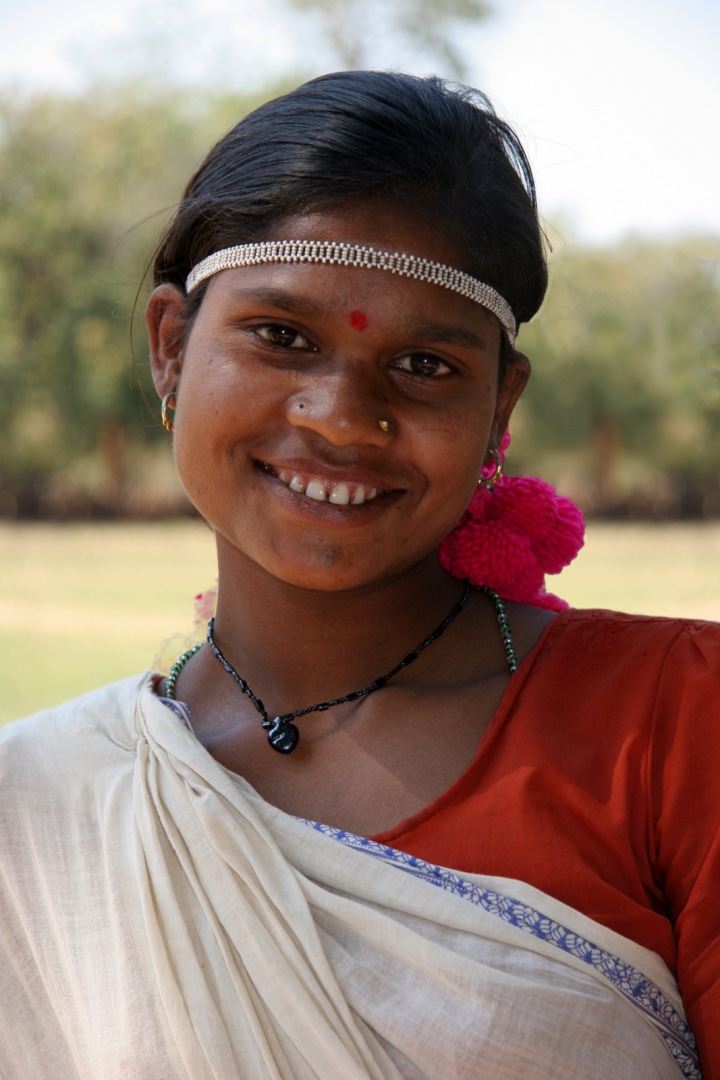
As the night progresses, young people start pairing up. However, it's not a spontaneous decision without rules. The entire process is overseen by leaders, the male Siredar and the female Belosa -, who ensure that everyone has an equal chance.
In the past, two forms existed – one allowed the creation of stable couples heading towards marriage, the other supported changing partners.

In the more modern version, no couple may stay together for longer than seven nights. Partners are meant to alternate so that everyone gains different experiences. The goal is not promiscuity, but the elimination of jealousy and the sense of ownership.
Every member of the community has an equal chance to participate. Even those who would not be considered attractive by conventional standards are not left out. This system creates an environment where sympathy, respect and equality between the sexes are built. At the same time, careful attention is paid to preventing pregnancy before reaching adulthood. If this were to happen nonetheless, the girl must leave the ghotul immediately and return to her family.
An interesting aspect is also the symbolism of partner selection. In some cases, a boy expresses interest by placing a flower in a girl's hair – but always only with her consent. Such gestures show that even in an environment of great freedom, there are clear rules of respect.
As anthropological research points out, the fact that young people "live through" experiences before marriage leads to more stable marriages and lower rates of infidelity, reports the portal Nature.com.
A tradition protected by legend
This tradition has deep roots in mythology. According to legend, its origin is attributed to the deity Lingo Pen, protector of love and founder of the ghotul. It is said that he was an excellent musician and taught young boys to play the drums. In the Muria community, the belief still holds that a good drummer is also a good lover. Lingo Pen also protects the ghotul from evil forces - it is believed that sin and evil have no place within its space.
Interestingly, the ghotul is not just a place of entertainment. Young people also have responsibilities here – they take care of the running of the community, learn discipline and coexistence. During the evenings, it is checked whether they have completed their tasks, and in case of failure, punishments follow. This system is therefore not just about freedom, but also about responsibility, reports Dokumen PUB.
Why does it work?
Although it may seem strange, this approach brings concrete results. In the Muria community, there is reportedly a low rate of jealousy, partner conflicts, or sexual violence. Young people enter marriage with real experience, without illusions and without the need to search for "something more" outside the relationship.
Of course, not everyone agrees with this system. Especially younger, more educated members of the tribe are beginning to question it and point out that the modern world brings different values. Nevertheless, the tradition persists and still forms the foundation of their society.
The Complete Opposite: When Sex After Marriage is a Problem
At the opposite end of the spectrum stands, for example, the Inis Beag community in Ireland. As the portal Refresher states, sex was perceived in this society as something impure.
The body was taboo, intimacy was suppressed, and any physical contact was strictly controlled. Children grew up without sex education, parents hid their bodies from them, and even ordinary acts such as changing clothes or hygiene took place in maximum secrecy. Even childcare was adapted to this approach – bathing was kept to a minimum to avoid "inappropriate" contact with the body. Displays of affection between man and woman were practically non-existent.
Marriage Without Love and Without Passion
Relationships on Inis Beag were completely different from those in ghotul. Marriages were decided by parents and feelings played no role. Sex was permitted only after marriage, but even then it was more of a duty than a pleasure. For women, refusing their husband meant a serious sin. Intimacy was quick, cold and without emotion. There was no foreplay or open communication. The result was frustration, suppressed emotions and often psychological problems. Many people never even got married and lived their entire lives in celibacy. The lack of education about sexuality had a significant impact on the entire community – from problems in relationships to social tension.
Two Extremes, One World
The story of the Muria tribe and the Inis Beag community shows two completely different approaches to the same thing. On one side stands openness, freedom and naturalness. On the other suppression, fear and strict rules. Neither of these models is universal. However, their comparison reveals how strong cultural differences are and how significantly they influence our perception of love, the body and marriage. Perhaps that's why the view of these communities is so fascinating ... it shows that what we consider self-evident is completely different elsewhere. And that the boundary between "normal" and "unimaginable" is often just a matter of perspective.
Source: author's text, Refresher, Wikipedia, News18, The Tribun, eHRAF (Yale), Tribal Populations and Cultures of the Indian Subcontinent, Nature