I'm moving: To Josefov, where luxury doesn't begin in shop windows, but in history
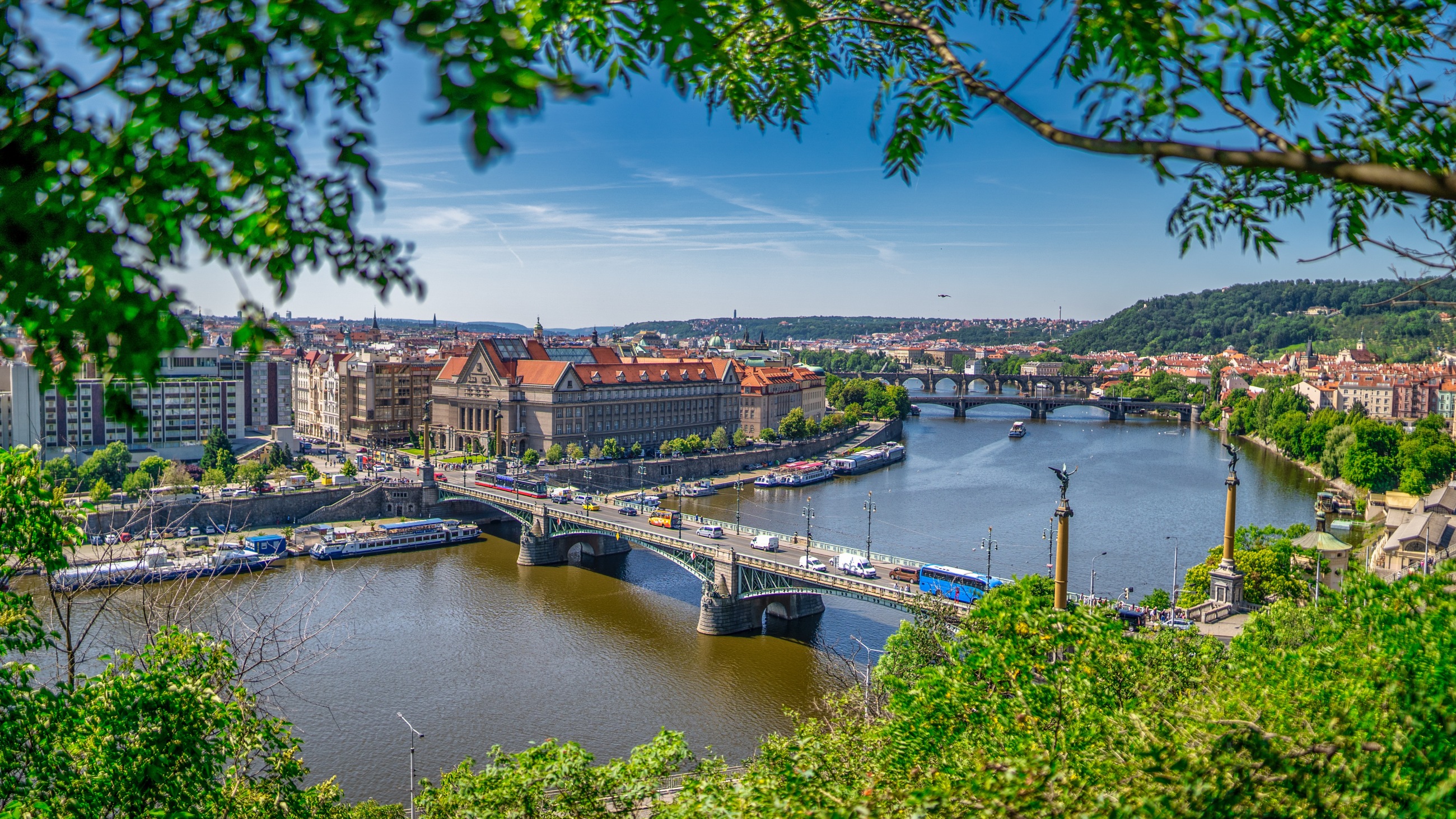
If a politician today proposed demolishing half of a historic quarter in the center of Prague, the public would probably chase them from city hall all the way beyond the city limits. But that's exactly what happened in Josefov at the end of the 19th century. Old houses fell to the ground, entire streets disappeared, and in their place arose a prestigious boulevard inspired by Paris. The result? Today's Pařížská Street, the most prestigious address in the Czech Republic.
And that's what's fascinating about Josefov. The luxury here didn't emerge on a greenfield site or over the last ten years. It's the result of more than a century of transformations, controversies, major construction projects, and the stories of people who lived here.
How Josefov Became the Most Prestigious Address in Prague
Today, few people realize that Josefov was once one of the poorest and most densely populated parts of Prague. Even in the 19th century, medieval houses stood here, crammed one against another.
Prague was then facing a similar problem to many European cities. It decided on a radical solution. A large part of the original Jewish town was cleared, and space was created for wide boulevards and apartment buildings in the style of Parisian avenues.
Some historians still regret how many unique buildings disappeared during this transformation. On the other hand, it was thanks to it that a quarter was created which today ranks among the architecturally most valuable parts of the metropolis.
Just look up. The Art Nouveau facades, turrets, reliefs and decorations of the buildings in Pařížská are among the best that Prague architecture of the early 20th century has to offer.
Luxury was here even under communism
When you say Pařížská, most people imagine the shop windows of luxury brands. However, the prestige of this address didn't disappear even during socialism.
Although it wasn't a place full of boutiques, it was still one of the most prestigious parts of the centre. Foreign visitors headed here, and this is where the InterContinental hotel stood, a symbol of luxury at that time.
For many Czechoslovaks, it represented literally a window to the world. While ordinary people were hunting for scarce goods, diplomats, businessmen and foreign guests gathered in the hotel bars. At various times, world celebrities stayed here, including Michael Jackson, Meryl Streep, or members of the Rolling Stones.
Having a meeting at the InterContinental in the eighties meant something similar to receiving an invitation to a private lounge at the airport today.
Fairmont: the return of the hotel Prague almost forgot
But after the revolution, the tables turned. The hotel gradually lost its lustre and for many Praguers became more of a given than an icon.
That changed thanks to an extensive reconstruction costing approximately four billion crowns. Today, the former InterContinental has returned under the name Fairmont Golden Prague and is once again among the most prominent addresses in the city.
"That faded glory had been so forgotten that no one remembered it was once our parents' dream to have a wedding or graduation ceremony there."
Architect Marek Tichý recalled in our interview, about the time when his team took over the building. This sentence perhaps captures the hotel's transformation best.
Tichý also reminds that the original InterContinental was not just a hotel. It was intended as a "showcase of Czechoslovak culture, art and architecture". Therefore, the reconstruction did not only create a new luxury hotel, but also a gallery, public spaces and new connections towards the waterfront.
Interestingly, the project did not only spark admiration. The brutalist architecture of the former InterContinental has been dividing Prague residents for several decades. Some consider it an architectural treasure, others a concrete colossus that does not belong in the historic centre. However, such debates prove that this is a building that has never been ordinary.
The transformation also fits into broader development plans for this part of Prague. The Prague 1 district has long supported the cultivation of public space around the Old Town Gate and Dvořákovo Embankment. According to Councillor for Territorial Development Karel Grabein Procházka, the goal is to create a space that will correspond to the significance of one of the most visited parts of the metropolis.
For future residents of Josefov, this may be more important news than the opening of a new hotel. While the luxury brand will attract media attention, better quality public space will remain for locals every day - on their way home, during a walk along the Vltava, or while sitting in Miloš Forman Square.
Kafka around the corner, Golem two streets away
But Josefov is not just Pařížská and Fairmont.
Few parts of Prague have such a powerful story. Here you can find the Old Jewish Cemetery, several historic synagogues, and also places connected with Rabbi Löw, whose name is still recalled today by the legend of the Golem.
Franz Kafka is also connected with the surroundings of Josefov. This is where he grew up and experienced the atmosphere of old Prague, which later was reflected in his work.
Perhaps that's why this neighborhood feels different from most of the center. It's not a backdrop for tourists. It's a place where stories are literally part of the streets.
The Greatest Luxury? Time
People who actually live in Josefov will tell you that the biggest advantage isn't expensive shops or a prestigious address.
It's time.
In just a few minutes you can walk to the Rudolfinum, Old Town Square, the Vltava River, or across Čech Bridge to Letná Park. Culture, restaurants, galleries, and important institutions aren't a weekend destination. They're part of everyday life.
And perhaps that's where the real luxury of this district lies. Not in what you can buy in the shop windows, but in what you don't have to look for anywhere else.
Josefov is not a place that is still building its prestige. It has it written into its history. Whether you look at the Art Nouveau houses on Pařížská Street, at the towers of the synagogues, or at the reborn Fairmont on the embankment, all around you are traces of stories that have shaped Prague for more than a century.
And that is precisely why Josefov remains one of the few addresses that have managed to preserve their exceptionality despite time, fashion, and the changes of the city.