Residential construction on the rise. In the first half of the year, construction of new apartments and family houses started almost 40 percent more than last year.

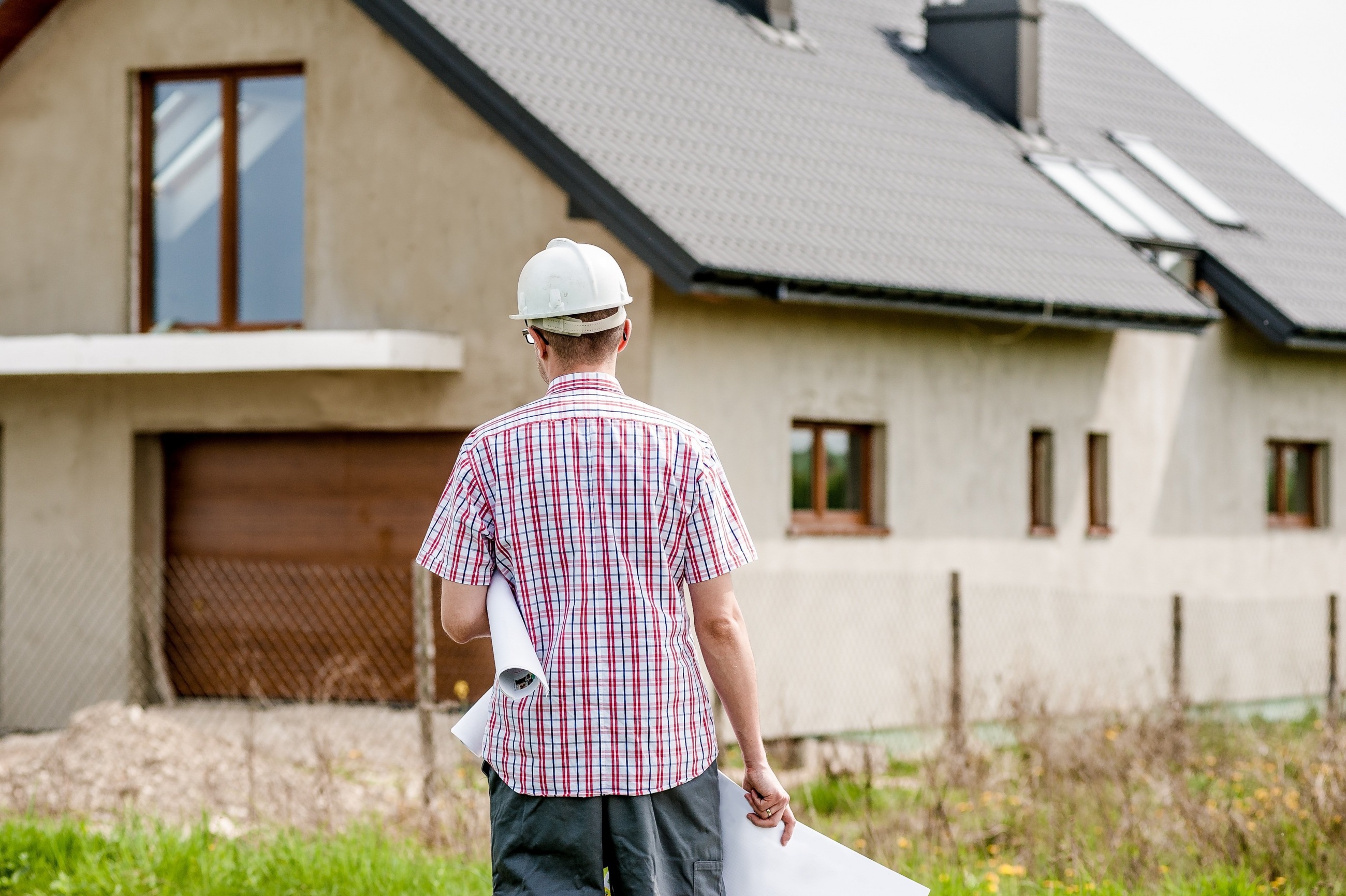
According to data from the Czech Statistical Office, the construction of new apartments has been increasing in recent months. The construction is primarily concentrated in the South Moravian Region and Prague. However, the residential segment is not thriving everywhere. In Germany, the volume of these works is actually declining.
People need a place to live. It is their basic need. How is the construction market coping with this? The domestic market was marked by a relatively low number of suppliers until last year, as many projects were waiting a long time for their approval.
More is being built
However, the situation is gradually changing. In June, according to data from the Czech Statistical Office, 5,545 building permits were issued, representing a year-on-year increase of just under 2 percent. The floor area for new building construction rose by 76 percent year-on-year.
"The number of initiated apartments increased in June in both main categories. While family houses reached the highest value in the last four years, the year-on-year growth of initiated apartments in apartment buildings was rather due to their lower level last June,"
said Petra Cuřínová, head of the construction and housing statistics department of the Czech Statistical Office, in a press release.
In the first half of the year, according to data from the Czech Statistical Office, the construction of almost 23,000 apartments was started, which is nearly 40 percent more year-on-year. Experts point out that. According to statisticians, in the first half of the year, the construction of 4,312 apartments was initiated in the South Moravian Region, mainly in apartment buildings. The capital city reports similar numbers.
"For the still tight real estate market, this is favorable, yet it does not mean that apartments will automatically become more accessible. The real estate market is more likely to experience greater segmentation and an expansion of the price range between old and new properties,"
described the situation Creditas bank economist Petr Dufek to ČTK.
Demand is growing
In the metropolis, according to statistics from Central Group, Skanska, and Trigema, there were approximately 6,450 new apartments on offer at the end of June, which is the most in more than 10 years.
“For the market, this is undoubtedly good news, because the prices of new apartments have increased by 170 percent over the last decade due to low supply. Only sufficient supply in the market can slow down the continuing rise of apartment and rental prices,”
wrote LP-Life owner of Central Group Dušan Kunovský.
The trend described also corresponds with the demand for real estate. According to the same source, approximately 3,750 new
were sold in the capital city alone in the first half of the year, which is the third highest semi-annual result since these figures have been recorded. The strong demand is also evidenced by developments in the mortgage market. Banks and building societies provided new mortgages amounting to nearly 216 billion crowns during the first half of the year, which is 66 billion more year-on-year.Obstacles
Especially in the capital city, further development will depend on how quickly the recently approved Metropolitan Plan of Prague and the amendment to the building law are implemented by the authorities. Only in this way will permitting processes begin to be unblocked. Otherwise, the mismatch between strong demand and actual construction will persist.
However, other reasons also hinder further positive development. Due to the smaller number of companies on the market, certain components that are indispensable for construction are sometimes missing. Examples include cranes. The current international political conflicts also influence future development, whether it's the crisis in the Hormuz Strait or tariff wars. Practically all building materials, which are energy-intensive in terms of production or transport, have jumped significantly in price compared to the past.
Germany in Decline
The problems are hitting neighboring Germany even more, where the volume of work on residential projects has been decreasing at the fastest rate in over a year in recent months. Local construction companies blame it primarily on customer hesitation, weak economic conditions, and ongoing price pressures.
According to Reuters, residential construction in Germany fell to its lowest level in 13 years last year, mainly due to higher construction costs. The number of housing units completed during this period fell by nearly a fifth. This was the lowest figure since 2012. Alarmingly, this decline is reportedly lasting for two consecutive years.
Sources: own inquiry, authored article, ČTK, Reuters, ČSÚ, Central Group, Skanska, Trigema